

 Al Jazeera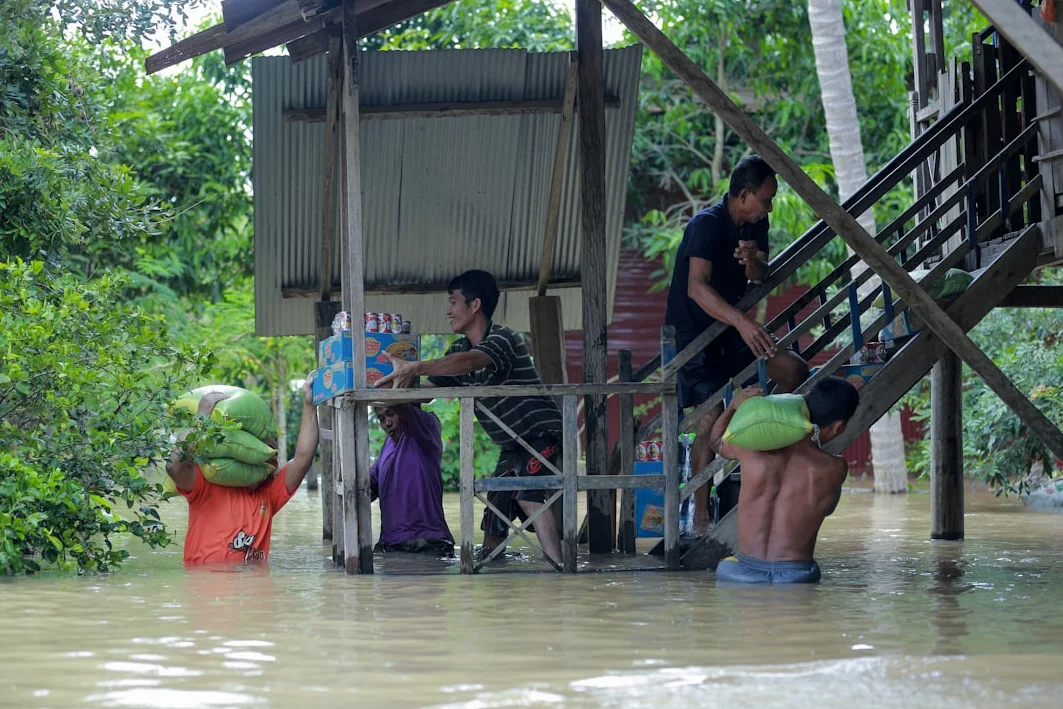
Super Typhoon Sinlaku is approaching the Northern Mariana Islands and Guam, bringing with it the potential for destructive winds and heavy rains. The storm. Which formed on April 9. Has been described as the strongest of 2026 to date, with sustained winds of 278 km/hour (173 mph) recorded on Monday.
Storm Position and Movement
As of midday on Tuesday local time (02:00 GMT), Sinlaku was approximately 68 nautical miles (126km) southeast of the island of Saipan in the Northern Mariana Islands. The storm is moving at a slow pace of about 14 km/hour (9 mph), according to the US Joint Typhoon Warning System.
Although the storm appears to be weakening, it is still expected to pass by the Northern Mariana Islands with the strength of a Category 4 or Category 5 storm. This remains extremely dangerous. According to Guam’s Office of Civil Defence, with warnings of widespread rain and flooding along with destructive winds that could cause power outages.
Guam is expected to avoid a direct hit from Sinlaku, the Civil Defence Office said. However, the island will still encounter high winds of up to 64 to 80 km/hour (40 to 50 mph) and gusts of up to 105 km/hour (65 mph).
Warnings and Precautions
Guam remains under both a tropical storm warning and a typhoon watch, but While the threat of typhoon-force winds has significantly diminished for Guam, this remains a serious weather event, according to the office. Storm conditions are expected to continue into Wednesday.
The office also warned the island’s 170,000 residents to stay out of the water, as dangerous sea conditions are expected to last until Thursday — the storm is anticipated to have a significant impact on the region, and residents are advised to take all necessary precautions.
Impact on Other Regions
Before turning towards Guam and the Northern Marianas, the storm left significant damage to the outer islands and atolls of Chuuk in the Federated States of Micronesia. Landon Aydlett. A meteorologist with the weather service in Guam, told the AP that the storm left a trail of destruction in its wake.
Meanwhile, Australia this week pledged $1.75 million in assistance to Papua New Guinea and the Solomon Islands in the wake of the recent Tropical Cyclone Maila. The storm ripped through the region over the weekend with the strength of a Category 5 storm, triggering floods and landslides that killed at least 11 people, according to the Australian Broadcasting Corporation.
Papua New Guinea’s Prime Minister James Marape said in a statement that authorities are still assessing the damage. “Reports are still coming in and are scattered, but we will make sure we reach every place, every island, and every community that has been affected,” he said.
A super typhoon is a name given to the strongest tropical cyclones that develop in the northwestern Pacific Ocean, where Earth’s most intense storms usually form. Sinlaku is one such storm. And its impact is being closely monitored by officials and meteorologists across the region.






Comments
No comments yet
Be the first to share your thoughts