

 BBC
BBC 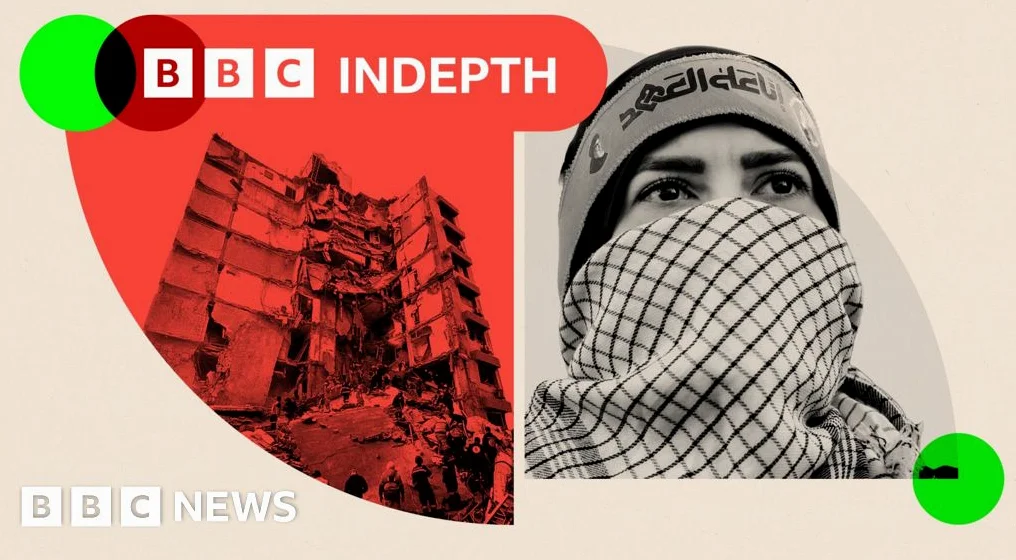
Lebanon has entered talks with Israel. But with no clear cards to play, as the country remains deeply divided over the role of Hezbollah, a powerful Shia Muslim militia and political party backed by Iran. The discussions come as both nations face mounting pressure to find a resolution to the ongoing conflict, but the Lebanese government’s ability to influence Hezbollah is severely limited, according to the BBC.
The Fragile Ceasefire and Continued Conflict
In November 2024. A fragile ceasefire ended the war between Israel and Hezbollah, but the conflict has not fully ceased; Israel has continued its attacks on what it describes as targets linked to Hezbollah, with near-daily strikes reported in some parts of Lebanon. From east Beirut. The sound of Israeli drones can occasionally be heard overhead, a reminder of the ongoing tensions.
President Michel Aoun. Who took office after the devastating war between Israel and Hezbollah, has long sought to disarm the group, which remains a central point of contention in Lebanese politics. Aoun, a former army chief, has described himself as an optimist, but the reality of the situation appears to challenge his vision.
For Hezbollah’s supporters. The group is seen as the only protection against Israel, which they view as an enemy intent on capturing Lebanese land — Opponents, however, accuse Hezbollah of acting in the interests of Iran, dragging Lebanon into unnecessary wars. This division has deepened with the death of Ayatollah Ali Khamenei, the Iranian supreme leader, in a February strike that led to Hezbollah launching rockets into Israel.
The Origins and Influence of Hezbollah
Hezbollah, known as the Party of God in Arabic, was established in the 1980s during Israel’s occupation of Lebanon in the Lebanese Civil War. From its inception, the group has been funded, trained, and armed by Iran, with the destruction of Israel as one of its stated goals.
The 1989 Taif Agreement, which ended the Lebanese Civil War, mandated the disarmament of all militias and introduced a power-sharing deal between the country’s various sects. However, Hezbollah, branding itself as a resistance movement against Israeli occupation, managed to retain its weapons. Despite the 2006 UN Resolution 1701, which demanded Hezbollah’s disarmament, the group has never fully complied.
Designated as a terrorist organization by countries including the UK and the US, Hezbollah holds significant political power in Lebanon. It is represented in parliament, runs social services in areas where the state has been absent, and is the most powerful group in the country. The group controls southern Beirut, the Dahieh suburbs, and parts of the Bekaa Valley, where a portion of its arsenal is located.
President Aoun has advocated for a policy of state monopoly on arms, and as part of the 2024 ceasefire deal, Hezbollah agreed to remove its fighters and weapons from southern Lebanon. However, the group has rejected discussions on a full, nationwide disarmament, with its secretary-general, Naim Qassem, stating that such a move is not on the table.
Lebanon’s Limited Influence and the Road Ahead
Lebanon, a small country with a population of around 5.8 million, has seen a Gallup poll suggest that nearly four in five Lebanese support only the country’s army being allowed to maintain weapons. This would mean disarming groups like Hezbollah. However, the response to this poll followed expected lines, with overwhelming support among Christians, Druze, and Sunnis, while more than two-thirds of Lebanese Shias disagreed.
Michael Young, a senior editor at the Carnegie Center think tank in Beirut, noted that some people in Lebanon were naïve to think the army, which is chronically underequipped and underfunded, could disarm Hezbollah due to a lack of will. He warned that imposing disarmament by force would be a disaster, as armies are not designed to confront their own population.
When asked about the expected negotiations with Israel, Young said, “Lebanon has nothing to offer” as it cannot deliver Hezbollah’s disarmament. “The government is without any cards,” he said, “and this is a reality we need to accept.”
In a televised address last month, Qassem stated that Hezbollah had not responded to Israel’s attacks during the ceasefire to avoid being accused of impending diplomacy. However, he accused Israel of not abiding by any terms of the deal, including the continued presence of Israeli troops in five positions in southern Lebanon. “Our patience has limits,” Qassem said, adding that Hezbollah would not debate its weapons with anyone.
Given Iran’s role in Hezbollah, any decision about the group’s future is likely to be made in Tehran, not Beirut. Nicholas Blanford, the author of Warriors of God: Inside Hezbollah’s Thirty-Year Struggle Against Israel, noted that the group’s armed resistance is central to its identity, and any change would require approval from Iran.
As the talks between Lebanon and Israel proceed, the outcome remains uncertain. With Hezbollah’s refusal to disarm and the Lebanese government’s limited influence, the path to lasting peace remains unclear. The situation highlights the deep divisions within Lebanon and the complex dynamics that continue to shape the region.





Comments
No comments yet
Be the first to share your thoughts