

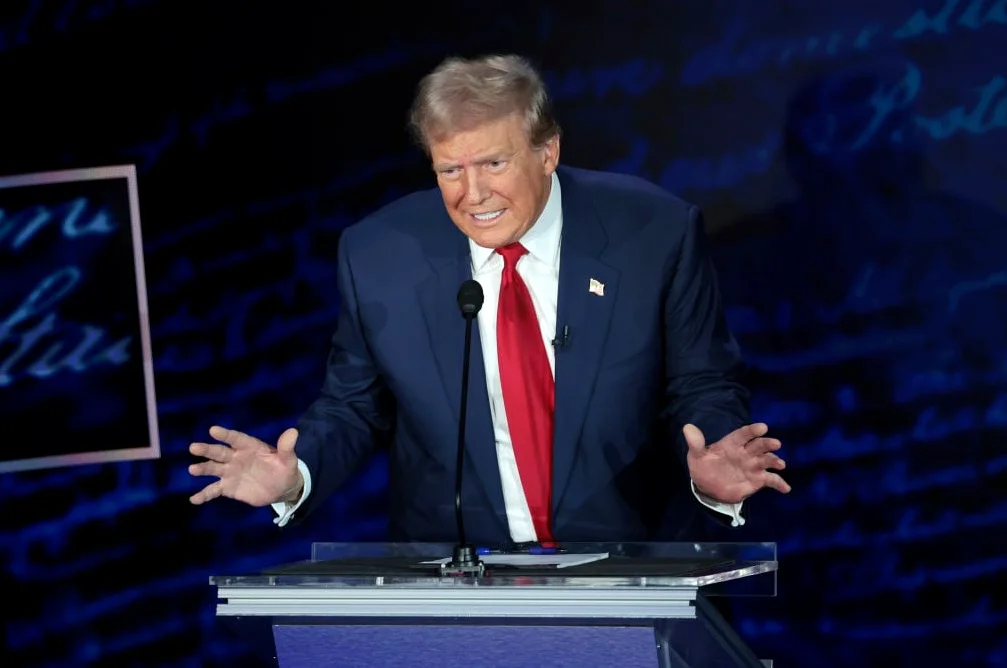
Chief Justice John Roberts and other Supreme Court justices are not invited to the 2026 State of the Union address, according to recent statements by the president, marking a significant departure from past traditions. This development has sparked a range of reactions, from legal analysts to the public, who are watching closely as the president’s rhetoric toward the judiciary continues to intensify.
Impact on Judicial Independence
The president’s public remarks have raised concerns about the independence of the judiciary. He has reportedly called the justices who ruled against his policies as ‘barely invited’ to the speech and expressed indifference about their attendance. This rhetoric echoes previous criticisms of the court, particularly over decisions related to trade policies and executive power.
Chief Justice Roberts has maintained a perfect attendance record since 2005, but the president’s recent comments may test the court’s institutional unity. Legal scholars note that such public disdain could undermine the court’s perceived impartiality and legitimacy. ‘The president’s language risks eroding public confidence in the judiciary,’ said one constitutional law professor.
Legal and Political Repercussions
The president’s criticism of the court extends beyond the State of the Union. He has previously accused justices of making decisions that are ‘unconstitutional’ and has expressed frustration over rulings that limit executive authority. This has led to an increase in threats against federal judges, with a 327 percent rise reported by legal advocacy groups.
The Department of Justice has been embroiled in multiple legal disputes, with the president reportedly instructing officials to adopt a confrontational stance toward the courts. This includes the dismissal of U.S. Attorneys who were deemed unsuitable by lower courts. For example, Alina Habba was removed from her position in New Jersey, and Lindsey Halligan was ousted in Virginia after legal challenges.
Legal experts warn that the administration’s approach may lead to further legal conflicts. ‘The administration’s aggressive posture toward the judiciary could result in more litigation and potentially destabilize the balance of power between branches of government,’ said a constitutional law expert.
Public and Political Reaction
Public reaction to the president’s comments has been mixed. While some supporters applaud his willingness to challenge the judiciary, others express concern about the implications for judicial independence. ‘It’s concerning to see the president openly criticize the Supreme Court in such a manner,’ said a civil rights advocate.
Meanwhile, the president has continued to assert his claims about the 2020 election, despite the fact that he lost the election decisively. This has led to further scrutiny from legal and political analysts, who warn of the potential for increased political instability.
The president has also taken credit for ending wars that did not exist, including claims about resolving conflicts with France. Such statements have been met with skepticism from both domestic and international observers.
Additionally, the president has made references to the Nobel Peace Prize, despite having never won the award. He has accepted a medal from Venezuelan opposition leader María Corina Machado, though the award cannot be transferred. This move has drawn criticism from legal and diplomatic circles.
As the State of the Union approaches, legal analysts are closely watching for any further escalation in the president’s rhetoric toward the judiciary. The implications of these comments could have lasting effects on the balance of power within the U.S. government.

Comments
No comments yet
Be the first to share your thoughts