

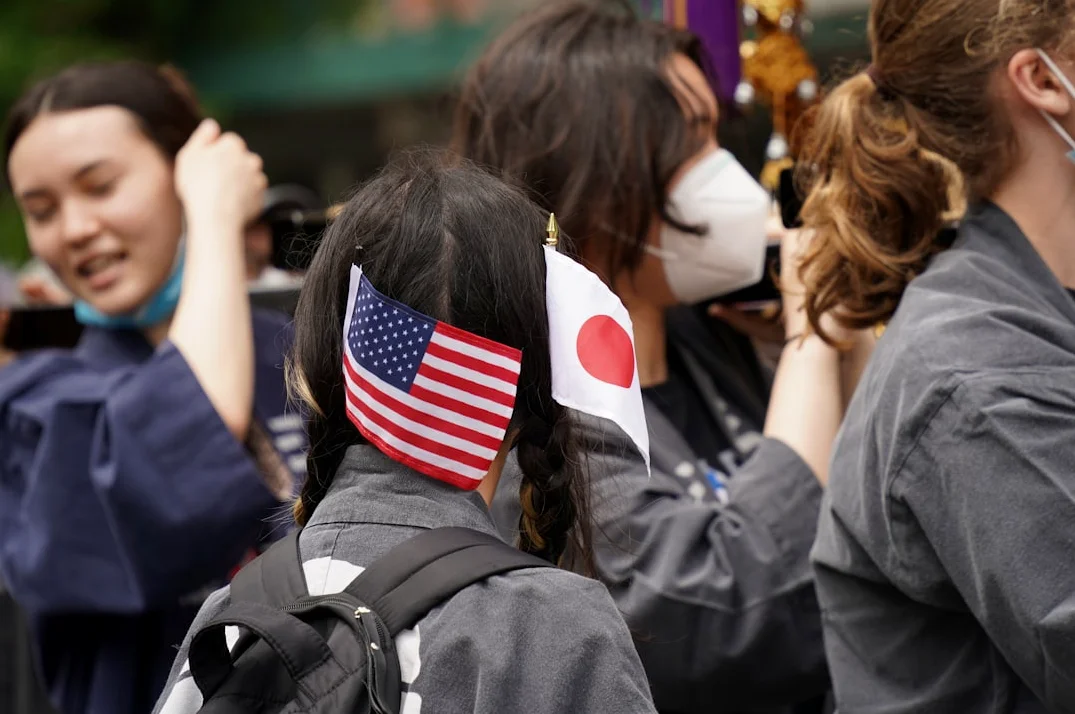
Japanese officials expressed surprise, embarrassment, and unease after former U.S. President Donald Trump referenced Pearl Harbor to justify military action in Iran, according to multiple reports. The comments, made during a recent public address, drew immediate reactions from Japanese political and diplomatic circles, highlighting tensions over historical sensitivities and regional security concerns.
Historical Sensitivities and Diplomatic Fallout
The use of Pearl Harbor, a symbol of Japan’s World War II aggression, to defend military action in Iran sparked immediate backlash. Japanese Foreign Ministry officials reportedly called the remarks ‘inappropriate and offensive,’ according to NHK. The reference to Pearl Harbor, which marked the U.S. entry into World War II after Japan’s attack in 1941, was seen as a deliberate provocation, given Japan’s historical reconciliation efforts with the U.S. since the 1970s.
Analysts noted that the comparison between Pearl Harbor and Iran’s current situation was particularly jarring. ‘It’s like comparing a nuclear strike to a minor skirmish,’ said Dr. Akira Tanaka, a historian at Tokyo University, in an interview with the Japan Times. ‘This undermines the delicate trust built over decades.’ The remarks were widely reported in Japanese media, with the Asahi Shimbun describing the incident as ‘a diplomatic misstep that could strain U.S.-Japan relations.’
Regional Security Concerns and Strategic Implications
Japan’s national security advisors expressed unease over the potential escalation of tensions in the Middle East. ‘The reference to Pearl Harbor raises questions about U.S. strategic priorities and how they align with regional stability,’ stated a senior defense official, according to Reuters. The official warned that such rhetoric could inadvertently encourage hostile actions from Iran or its allies, destabilizing an already fragile geopolitical landscape.
Japan, which relies heavily on the U.S. for its defense, has long been concerned about the implications of U.S. military policies in the region. The country’s pacifist constitution, enacted in 1947, limits its military engagement, making it particularly sensitive to any U.S. actions that might draw it into conflict. ‘We must ensure that our alliance remains focused on mutual security, not historical grievances,’ said a Japanese diplomat, speaking anonymously to the Wall Street Journal.
Public Reaction and Domestic Impact
The public reaction in Japan was mixed, with many citizens expressing discomfort over the remarks. Social media platforms were flooded with posts criticizing Trump’s comments, while some called for a more measured approach in U.S.-Japan diplomatic relations. A survey by the Japan Research Institute found that 68% of respondents felt ’embarrassed’ by the incident, while 55% believed it could harm Japan’s international reputation.
Local communities, particularly those with strong historical ties to the U.S., expressed concern over the potential for renewed tensions. In Hiroshima, where the atomic bomb was dropped in 1945, residents emphasized the importance of remembering history to prevent its repetition. ‘We must not allow the past to be used as a tool for political gain,’ said Mayor Kazumi Matsui, according to the Hiroshima Daily News.
What’s Next and Forward-Looking Implications
Japanese officials are now considering how to address the incident diplomatically. The Ministry of Foreign Affairs has reportedly initiated discussions with U.S. counterparts to clarify the intent behind Trump’s remarks. ‘We need to ensure that such statements do not undermine the trust between our nations,’ said a Japanese ambassador, according to the Japan Times.
Experts predict that the incident could lead to a temporary cooling of U.S.-Japan relations, though both sides are expected to maintain their strategic alliance. ‘The immediate impact may be limited, but the long-term consequences could be significant,’ said Dr. Emiko Sato, a political scientist at Kyoto University, in an interview with the Asahi Shimbun. ‘It’s a reminder that historical sensitivities remain a critical factor in international diplomacy.’
Broader Context and Regional Tensions
The incident has also reignited discussions about U.S. military presence in the Asia-Pacific region. Japan’s reliance on the U.S. for defense has been a point of contention, with some analysts arguing that the country needs to develop a more independent security strategy. ‘We cannot afford to be complacent about our own capabilities,’ said a defense analyst at the Tokyo Institute of Policy Studies, according to the Japan Economic Journal.
Meanwhile, the situation in Iran remains volatile, with ongoing tensions between the country and the West. Japan’s position as a key economic partner of Iran has added complexity to the situation, as any U.S. military action could have significant economic repercussions for the region. ‘Japan must carefully balance its strategic interests with its economic ties to Iran,’ said an economist at the University of Tokyo, according to the Nikkei Business Journal.




Comments
No comments yet
Be the first to share your thoughts