

 Fox News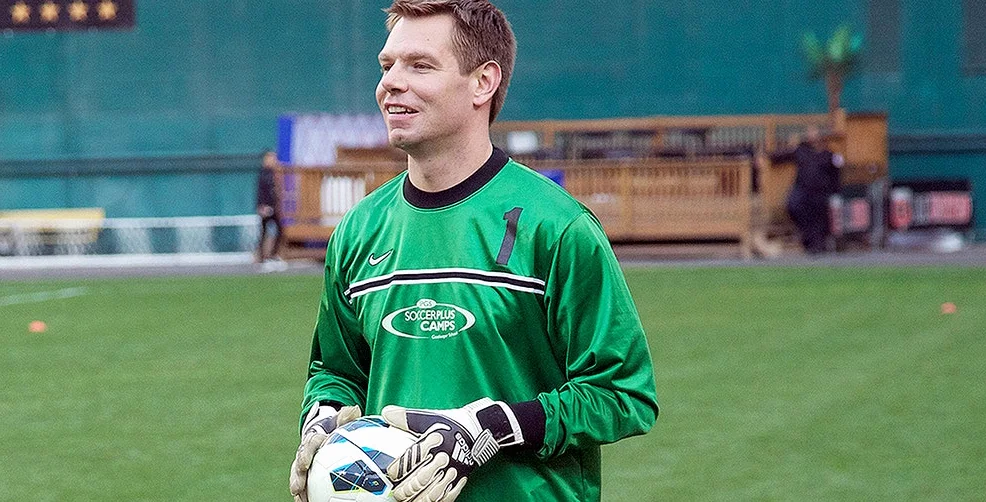
Rep. Eric Swalwell, D-Calif., is using his background as a former Division I soccer player to push legislation that would block ICE enforcement near World Cup sites, citing concerns over racial profiling and fear among fans. The bills, introduced as the U.S. prepares to host matches in multiple cities, aim to prevent what Swalwell calls ‘political stunts’ by federal immigration enforcement.
Legislation Targets Immigration Enforcement Near World Cup Sites
The proposed legislation, called the ‘Safe Passage to the World Cup Act,’ would ban federal Homeland Security funding from being used for civil immigration enforcement activities on public transit or at terminals from June 11 to July 19 in any city hosting a FIFA match or festival. The bill includes a carveout for ‘hot pursuit’ of suspects posing an ‘imminent risk to public safety.’
Swalwell, who played goalkeeper at Campbell University before transferring to the University of Maryland, said he knows the honor of hosting a global event like the World Cup. ‘How can our country host the World Cup while deporting visiting fans from around the world?’ he asked in a statement introducing his bill.
The bill would also prevent federal agents from turning public transportation into a place of fear. ‘It is shameful for DHS to trap people with political stunts,’ Swalwell said in a statement. He added, ‘We are better than this.’
Other Democrats Join the Push
Swalwell is not alone in his effort. Rep. Nellie Pou, D-N.J., who represents the area around the New York Giants’ stadium, has introduced a companion bill called the ‘Save the World Cup Act.’ This bill would ban immigration enforcement near matches and festivals and ensure that parking lots and fan midways are not encroached upon by ICE sweeps.
‘Fans from around the world and across the country will travel to New Jersey to watch the World Cup, and keeping them safe means protecting them from DHS attempting to turn this global event into a dragnet for the Trump administration’s mass deportation agenda,’ Pou said in a statement.
Pou also reached out to ICE Director Todd Lyons, asking for assurances that no enforcement would occur near the World Cup. However, Lyons declined to comment on the matter.
Legal Challenges and Political Tensions
Another task force member, Rep. LaMonica McIver, D-N.J., still faces charges over an alleged assault on a federal agent in Newark. According to the New Jersey Monitor, a Biden-appointed judge allowed two of three counts to proceed as McIver appeals the charges.
McIver’s bill would prohibit state grant programs from being used for civil immigration enforcement near World Cup game sites. ‘We fought to secure millions of federal dollars so soccer fans can enjoy the biggest game in the world — they should not be intimidated by immigration enforcement,’ she said in a statement.
The Department of Homeland Security (DHS) has responded to the proposed legislation, stating that it still plans to work with local and federal partners to secure the World Cup matches ‘in line with federal law and the U.S. Constitution as we do with every major sporting event, while showcasing American greatness to the entire world.’
‘International visitors who legally come to the United States for the World Cup have nothing to worry about,’ a DHS spokesperson said. ‘What makes someone a target for immigration enforcement is whether or not they are illegally in the U.S. — full stop.’
The spokesperson also called speculation in the legislative package ‘ill informed’ and urged foreign visitors to be ‘proactive’ and ensure all their forms are filed ahead of time to ensure a smooth travel experience.
What’s Next for the Legislation
With less than 90 days until the World Cup kicks off, the proposed legislation faces a tight timeline. The bills are expected to be debated on the House floor soon, with a possible vote in the coming weeks. However, they face opposition from some members of the GOP, who have warned that the proposed DHS funding shutdown could jeopardize World Cup security.
Swalwell’s effort to capitalize on his athletic credentials is part of a broader push by Democrats to prevent what they call ‘racial and linguistic profiling’ that could instill fear in fans. The legislation is also part of a larger debate over immigration enforcement and the role of federal agencies during major events.
As the World Cup approaches, the debate over security, enforcement, and the rights of visitors continues to grow. The outcome of the proposed legislation could have significant implications for the event’s safety and the experience of fans from around the world.





Comments
No comments yet
Be the first to share your thoughts