

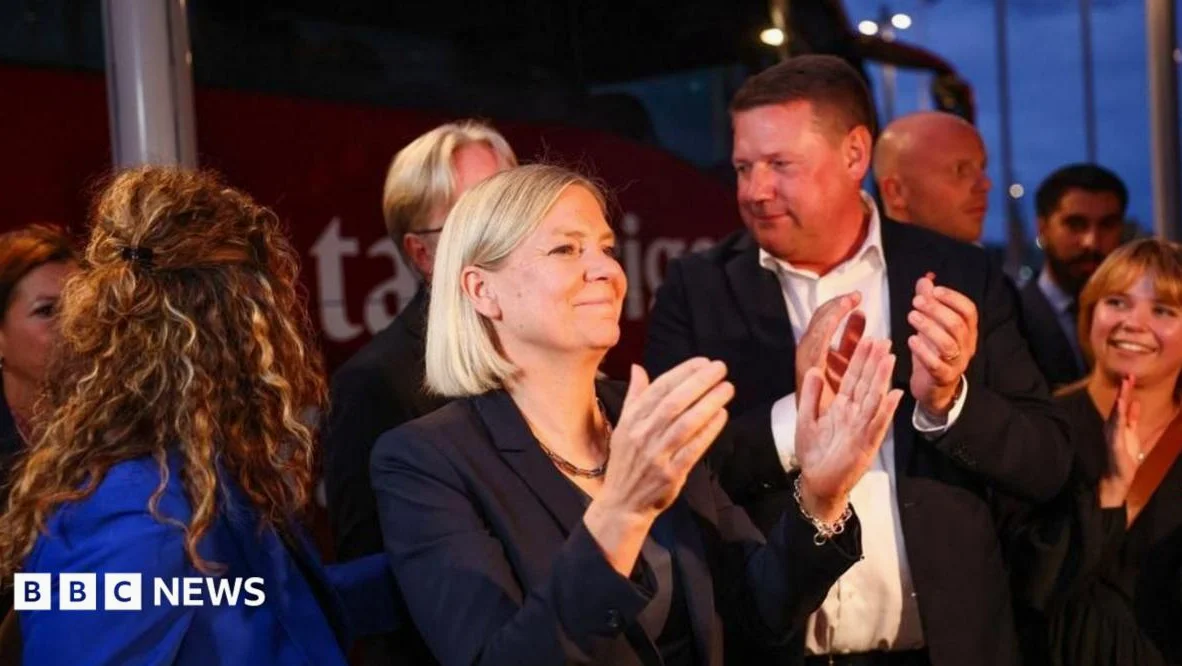
The Swedish election has produced a highly contested and closely balanced result, with early projections showing the left-wing bloc led by the Social Democrats ahead with 176 mandates, compared to 173 for the right-wing bloc led by Ulf Kristersson, according to BBC and DW. No major media outlets have yet declared a winner, and the final outcome will not be confirmed until Wednesday after early and overseas ballots are included in the count.
Uncertain Path to Majority
Sweden uses a proportional representation system where parties must secure at least 4% of the vote to enter the Riksdag; With 94% of votes reported, the left-wing bloc currently holds a slim lead, but the final result remains uncertain. The counting process will continue on Wednesday to account for late-submitted early votes and overseas ballots, according to BBC.
Ulf Kristersson, leader of the Moderate Party, acknowledged the uncertainty during a Monday morning address to supporters. ‘The voters have had their say, but we still don’t have a final result. Which government will lead Sweden in the coming years is still an open question,’ he said, according to BBC, as Kristersson added that he would reach out to other party leaders for potential coalition talks, according to DW.
Significance of the Sweden Democrats’ Performance
The night’s biggest surprise was the underwhelming performance of the Sweden Democrats (SD), the far-right party that had campaigned on anti-immigration and crime policies. Unlike in Germany, where most parties have ruled out working with the far-right, Kristersson had promised the SD key government positions if his bloc won, including the migration minister role for SD leader Jimmie Akesson, according to DW. However, the SD’s support declined compared to the 2020 election, marking the first time since its foundation in 2010 that the party has lost ground, according to DW.
Founded by Nazi sympathizers in the 1980s, the SD was long shunned but became the country’s second-largest party in 2022, though the party’s current performance suggests a shift in voter sentiment or a successful campaign from the center-left, according to BBC.
Potential for New Government
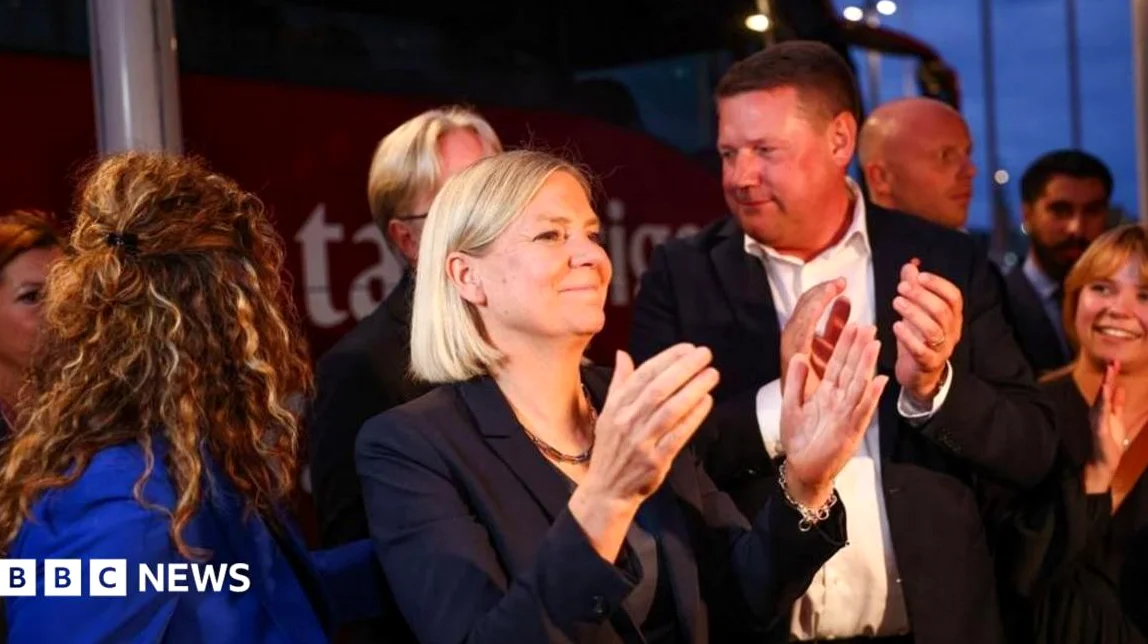
Magdalena Andersson, leader of the Social Democrats, urged supporters to wait for the final result, but If the current lead holds, she said, ‘Sweden will have a new government,’ according to BBC. Andersson’s party has been a dominant force in Swedish politics since the end of World War II but is projected to win only 28% of the vote—its worst result in over a century, according to DW.
Sweden has two major political blocs, each consisting of four parties, making coalition and minority governments relatively common. The country’s proportional representation system ensures that no single party is likely to win a majority, and the final outcome will depend on how early and overseas votes are distributed, according to BBC.



Comments
No comments yet
Be the first to share your thoughts