

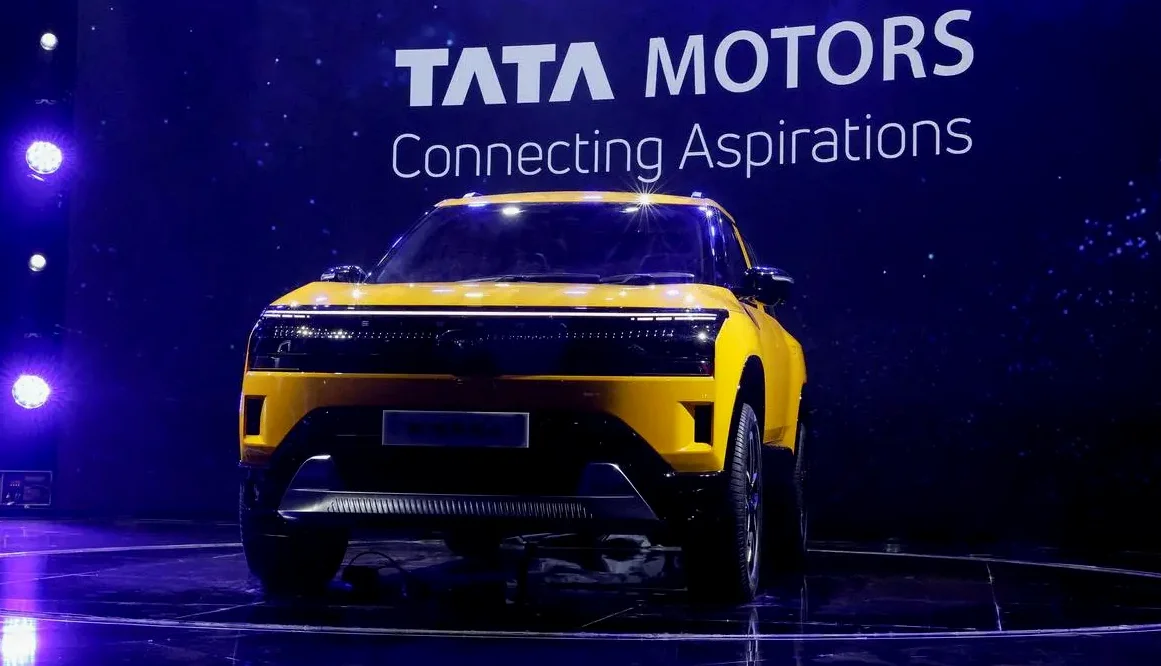
Tata Motors Passenger Vehicles Ltd. (TMPV) has announced a 0.5% increase in prices for its internal combustion engine (ICE) vehicles, effective April 1, 2026. The adjustment, which will vary by model and variant, is intended to partially offset rising input costs amid sustained inflationary pressures. The company stated that the decision comes as it seeks to protect its margins in the face of persistently high commodity prices and logistics costs.
Context of Rising Costs and Pricing Adjustments
The automotive industry has been under pressure from a combination of rising material costs, supply chain disruptions, and increased production expenses. Tata Motors is not alone in this endeavor; several other automakers across the globe have implemented similar pricing strategies in recent years. For instance, in 2022, Ford and General Motors raised prices by up to 10% in response to inflation, while in India, Maruti Suzuki and Hyundai India also adjusted their pricing structures to maintain profitability.
Tata Motors’ decision to increase prices by 0.5% is relatively modest compared to some of its global counterparts. However, the move reflects the company’s strategic response to a challenging cost environment. According to internal sources, the company has been monitoring input costs closely, and the decision to raise prices is a calculated step to ensure that the company’s financial health remains intact amid economic uncertainty.
The increase in vehicle prices may also be influenced by the ongoing shift toward electric vehicles (EVs) and the increasing cost of developing and producing these vehicles. As automakers invest heavily in EV technology, the cost of producing traditional ICE vehicles may become relatively more expensive, further justifying the need for price adjustments.
Impact on Consumers and the Market
The 0.5% increase in vehicle prices may have a noticeable impact on consumers, particularly those in the mid-range segment where price sensitivity is higher. For example, a mid-sized sedan that previously cost Rs 12 lakh may now be priced at Rs 12.6 lakh, a change that could affect purchasing decisions for many buyers.
According to a report by ICRA, a credit rating agency, the automotive industry has been facing a cost inflation of approximately 15-20% since 2022. This has led to a significant increase in the cost of raw materials such as steel, aluminum, and rubber, which are essential components in vehicle manufacturing. Logistics costs have also risen due to increased fuel prices and transportation bottlenecks, further squeezing profit margins for automakers.
For ordinary consumers, the price hike could mean a longer decision-making process when purchasing a new vehicle. Analysts suggest that while the 0.5% increase is relatively small, it could influence the demand for certain models, especially in a competitive market where alternatives are available. Some consumers may opt for more affordable variants or even delay their purchase in anticipation of potential further price adjustments.
The impact on the broader market remains to be seen. However, the move by Tata Motors may also signal a broader trend in the industry, where automakers are increasingly relying on price adjustments to manage their cost structures and maintain profitability in a volatile economic climate.
What Analysts Say About the Pricing Strategy
Industry analysts have mixed reactions to Tata Motors’ pricing strategy. Some view the move as a necessary step to maintain profitability, while others believe that the company could have explored alternative methods to offset rising costs without passing the burden to consumers.
According to Pranav Choudhary, an automobile analyst at CRISIL, the 0.5% increase is in line with the current market conditions and is a reasonable approach to address rising input costs. However, he added that the company should also consider other avenues such as improving production efficiency and reducing waste to manage costs without directly affecting consumers.
Rajiv Bajaj, a senior analyst at IIFL Securities, noted that the decision reflects the company’s attempt to balance cost pressures with customer expectations. He said, ‘While a 0.5% increase is relatively modest, it is a clear signal that the industry is grappling with inflationary pressures that are likely to persist for some time.’
Tata Motors has not provided specific figures on the expected impact of this pricing strategy on its revenue or profit margins. However, the company’s management has previously indicated that it is focused on maintaining a healthy balance between cost management and customer satisfaction.
With the automotive industry continuing to handle a complex economic landscape, the pricing decisions made by major players like Tata Motors will play a crucial role in shaping the market dynamics in the coming months and years.
The company has emphasized that the price increase is a temporary measure and that it will continue to monitor the situation closely. It also stated that it remains committed to innovation and customer-centric strategies, even as it adjusts its pricing models to reflect current market conditions.






Comments
No comments yet
Be the first to share your thoughts