

Texas Rep. Wesley Hunt, a two-term congressman, is under fire from prominent rivals Sen. John Cornyn and Attorney General Ken Paxton as the June 3 GOP Senate primary approaches, marking a key moment in a tightly contested race for the nomination.
Cornyn and Paxton See Hunt as a Threat
Hunt, a former Apache helicopter pilot and Iraq War veteran, has become a focal point of the primary after entering the race later than his opponents. His presence has forced Cornyn and Paxton to spend heavily on attack ads, aiming to prevent him from gaining traction in the final days of the campaign.
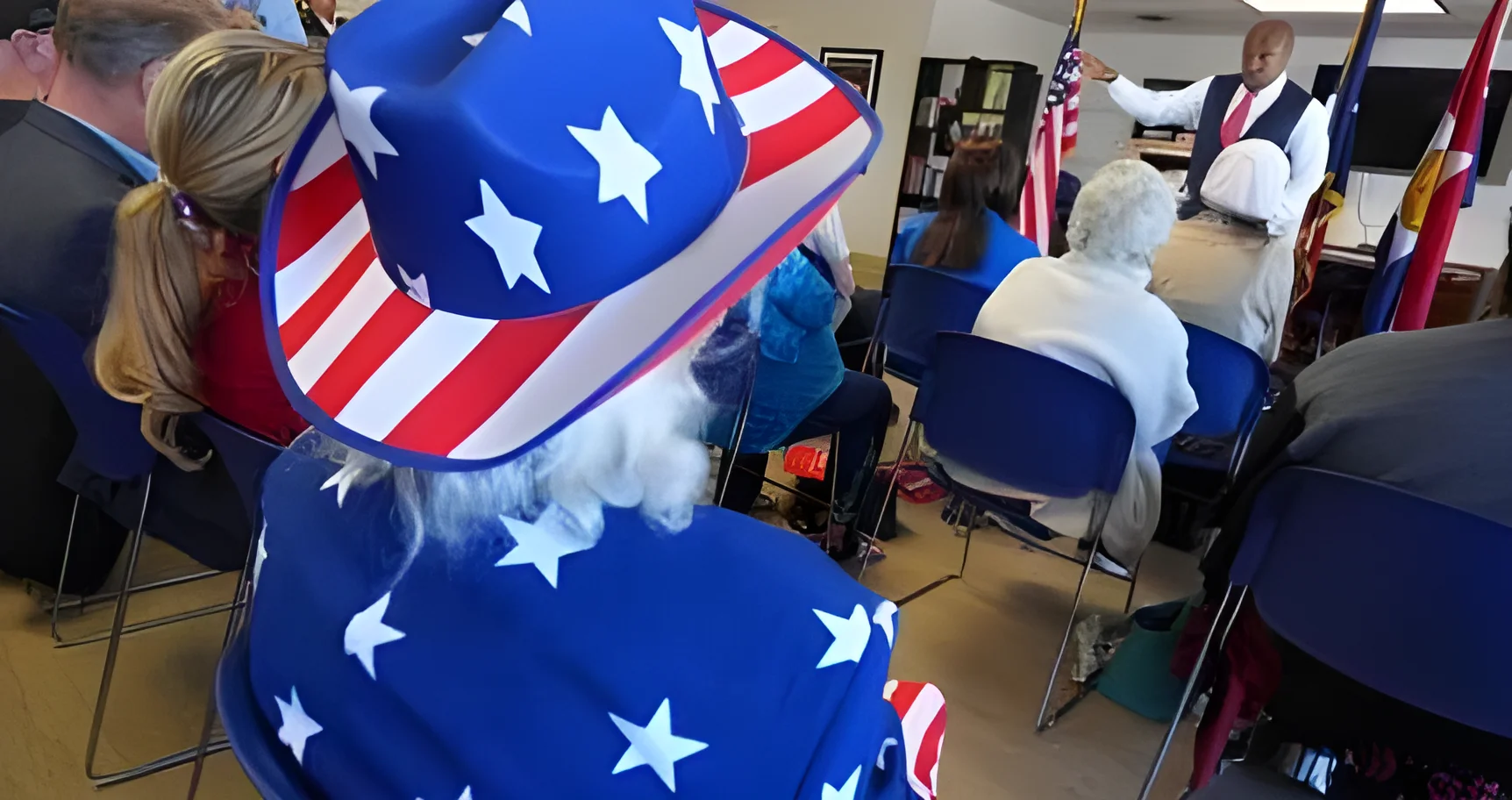
“As an Apache helicopter pilot, it means I must be right over the target zone,” Hunt told about 50 people during a recent event at Dallas GOP headquarters, referencing the attention he has drawn from his rivals.
Cornyn, a four-term senator, is trying to avoid the unprecedented scenario of being the first Republican senator in Texas history to lose a renomination bid. Meanwhile, Paxton, the state’s attorney general, is also seeking to secure the nomination outright, which would avoid a runoff election.
Runoff Election Looms
If no candidate secures at least 50% of the vote on June 3, the nomination will be decided by a runoff election on May 26 between the top two finishers. This has placed pressure on both Cornyn and Paxton to keep Hunt from gaining momentum.
“I think it suggests Paxton thinks he might be able to get to 50 percent, and that Hunt is polling too close,” said Wayne Hamilton, a Republican strategist unaffiliated with any of the Senate candidates. “And Cornyn may be seeing Hunt ticking up too close.”
Cornyn and his allies have spent over $63 million on television ads, with the majority of the attacks targeting Paxton rather than Hunt. However, Hunt has become a growing concern for both Cornyn and Paxton as he gains support among voters who are disillusioned with the status quo.
Hunt’s Campaign Strategy
Hunt has portrayed himself as the most devoted to President Donald Trump, despite none of the three candidates receiving his endorsement. He was an early endorser of Trump’s 2024 campaign and appeared regularly as a surrogate for his comeback campaign.
Hunt entered the race in October, seeing an opportunity against Cornyn, a former state Supreme Court judge who has fallen out of favor with a segment of the Republican primary electorate. Cornyn dismissed Trump’s 2024 candidacy early on, a move that drew criticism from conservative voters who later helped Trump carry Texas by nearly 14 percentage points in the 2024 presidential election.
Cornyn also became a target of conservatives after supporting a gun-control measure following the 2022 Uvalde school shooting. This has led some voters to view him as out of step with the current Republican base.
“I would never vote for Cornyn,” said Bob Burns, a 74-year-old retired manufacturing executive from Dallas who attended Hunt’s appearance at the GOP office. He described the incumbent as out of step with today’s GOP and said he will vote for Hunt because he’s “new” and “can carry on Trump’s good work.”
Hunt has also positioned himself as an alternative to Paxton, who has faced a failed 2023 impeachment trial and allegations of extramarital affairs. Senate Republican campaign leaders in Washington have expressed concerns that defending Paxton in a general election would be costly.
Hunt, 44, represents a new generation of Texas Republicans, standing in contrast to Cornyn, who is 74 and has been in the Senate since 2003, and Paxton, who is 63 and has been attorney general since 2015.
“The biggest thing that’s happened in the race is Hunt’s getting in,” said Tyler Norris, a Texas Republican strategist unaffiliated with any of the Senate candidates. “But, so far, his major contribution is to guarantee a runoff where Paxton and Cornyn will spend tens of millions more to attack each other.”
Hunt has also faced criticism for his 2008 vote for Hillary Clinton in the Democratic primary, which he has explained as part of a conservative-led effort to help GOP nominee John McCain by complicating the prolonged 2008 Democratic nominating campaign, won by Barack Obama.
As the primary approaches, Hunt continues to assert that he is not just a spoiler but a viable candidate for the Senate nomination. His campaign is banking on the growing dissatisfaction with the current crop of candidates and the desire for a fresh face in the race.




Comments
No comments yet
Be the first to share your thoughts