

 Associated Press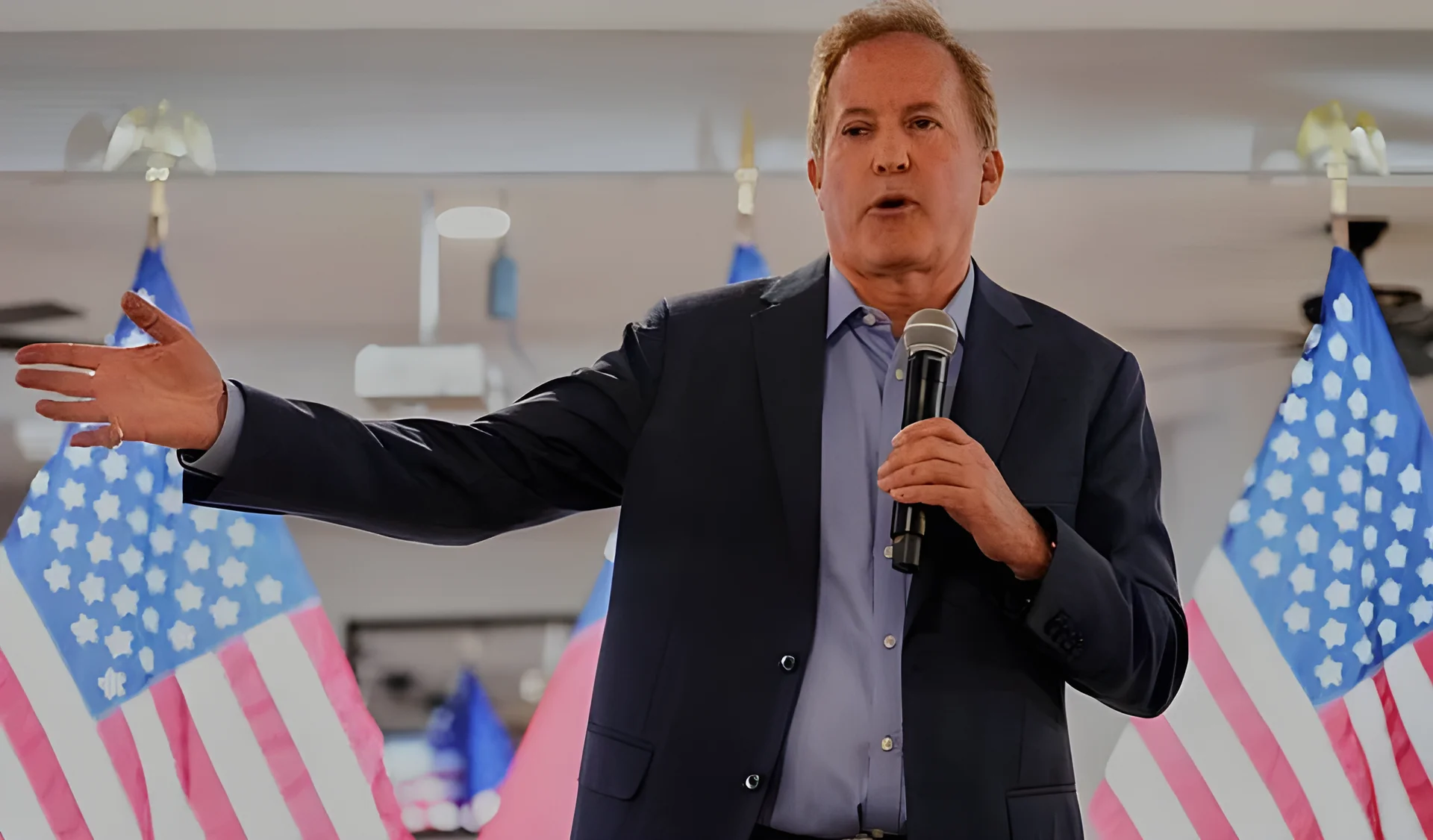
WACO, Texas — With the U.S. and Israeli strikes against Iran marking a dramatic shift in global tensions, Texas Senate candidates found themselves at a crossroads on the final day of campaigning. As Tuesday’s primary loomed, the war in the Middle East became an unexpected factor in a race already defined by tight competition and ideological divides.
Republican Candidates Embrace Trump’s Approach
Republican candidates, including state Attorney General Ken Paxton, largely supported the administration’s actions against Iran, though they avoided detailed discussion of the military campaign. Paxton, who was holding his last campaign event before the election, spoke briefly on the topic during a lunchtime appearance in Waco.
“An open-ended war? I don’t have any intelligence, but I don’t think that’s Trump’s idea,” Paxton said, emphasizing that the president aims to avoid protracted conflicts. He noted that the MAGA base, a key voting bloc, would not be significantly affected by the strikes.
Supporters at Paxton’s event echoed his stance. Connie Stamps of Waco expressed gratitude for the administration’s actions, stating they were “good for the whole world.” She defended Trump’s decision despite his past opposition to overseas conflicts.
Divided Views Among Voters
While some voters supported the strikes, others voiced concerns about the lack of clarity from the administration. Elton Hartwich, a Vietnam veteran, argued for broader public support for the war, citing historical grievances with Iran. In contrast, David Ozuna of New Braunfels criticized Trump for not adequately explaining the objectives of the attacks, citing the personal toll of military service on his family.
“I think we as citizens, before we send our sons and daughters, mothers and fathers to support this thing, deserve to have a good explanation as to what we’re doing, what the objective is and where we’re going,” Ozuna said.
Democratic Candidates Focus on Casualties
Democratic Senate candidate James Talarico, running against Rep. Jasmine Crockett for their party’s nomination, briefly addressed the conflict during a rally at the University of Houston. He focused on the deaths of three U.S. service members killed in the strikes.
Charles Padmore of Houston, a supporter of Talarico, condemned the attacks as illegal and unjustified. He criticized the administration for failing to provide a clear exit strategy and warned of potential long-term consequences.
“This could go for years to come if they don’t have a clear exit strategy,” Padmore said, emphasizing the risk of prolonged conflict without a defined resolution.
Meanwhile, four-term Republican Sen. John Cornyn, who faces challenges from Paxton and Rep. Wesley Hunt, expressed support for the strikes but acknowledged the need for further congressional debate on the war’s objectives. Cornyn referenced Trump’s video announcement of the attacks, calling it a “cogent and good explanation.”
“We’ll have a debate in Congress what the goals and objectives are,” Cornyn said, adding that he was “completely satisfied” with the president’s communication.
The election comes amid ongoing U.S. talks with Iran on a nuclear agreement, which had been in progress in recent weeks. With the primary on Tuesday, candidates are under pressure to address the war’s implications, though many remain cautious about examining into specifics.
As the campaign enters its final hours, the war in Iran adds a new layer of complexity to an already contentious race. With the outcome uncertain, the next few days will determine the direction of Texas’ Senate delegation and its stance on the evolving Middle East conflict.



Comments
No comments yet
Be the first to share your thoughts