

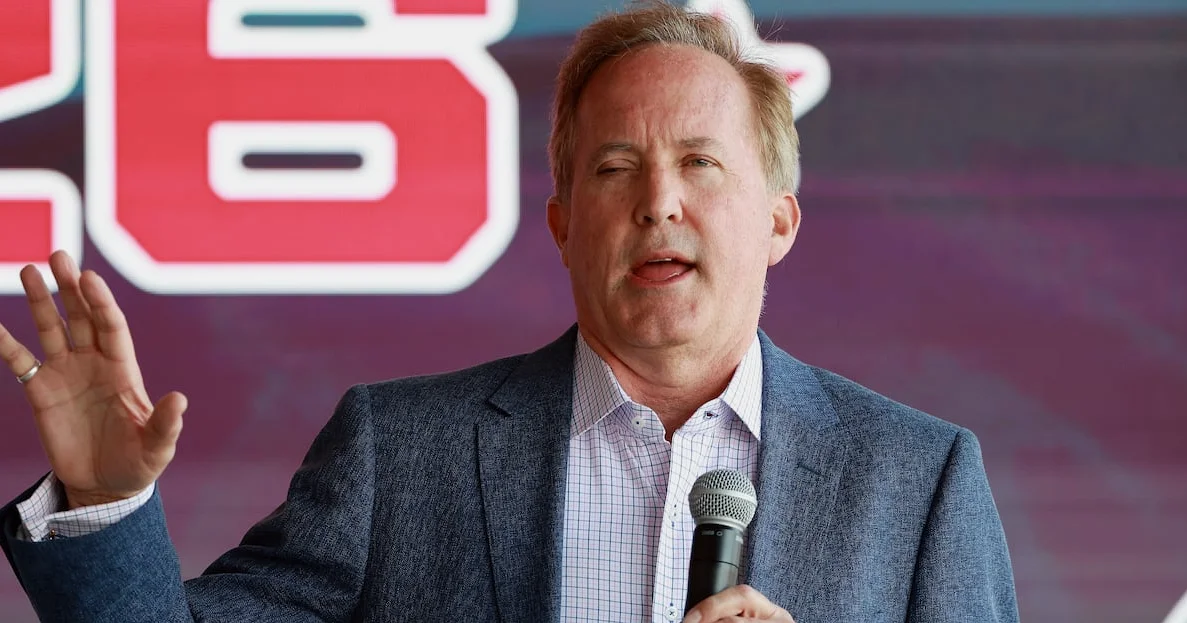
The Texas Republican Senate primary is headed to a runoff between longtime Senator John Cornyn and state Attorney General Ken Paxton after neither candidate secured more than 50 percent of the vote in what has already been the most expensive Senate primary in U.S. history. The runoff is scheduled for May 26, and the race has already drawn over $75 million in campaign spending, with both candidates vying for the chance to face Democratic challengers in the November general election.
High Costs and Personal Attacks
Cornyn, 74, has spent roughly $71 million on his campaign, the largest amount by any candidate in the race. His campaign has focused heavily on personal attacks against Paxton, who is 63, accusing him of cheating on his wife and facing impeachment charges in 2023. Cornyn’s campaign has also used an ad showing him slow-dancing with Democratic Senate candidate Jasmine Crockett outside the U.S. Capitol, a move that has drawn criticism and controversy.
Paxton, who faced impeachment charges for alleged bribery and other misconduct, was acquitted by the Texas Senate in 2023. He later reached a deal to avoid felony fraud charges in early 2024. Despite these issues, Paxton has held a slight lead in several polls, spending just $4.4 million on advertising, which is significantly less than Cornyn’s expenditures.
Impact on the General Election
The runoff has forced Republicans to divert resources from the general election, where they hope to retain the Senate seat. Democrats have been aggressively targeting Texas, a state they have long sought to flip, and the internal GOP conflict could weaken their chances. The National Republican Senatorial Committee (NRSC) released polling showing Cornyn performing better than Paxton in hypothetical matchups against Democratic candidates, including state Rep. James Talarico and Rep. Jasmine Crockett.
However, the NRSC has also warned that Paxton may not be the most reliable choice to hold the seat in November. GOP campaign officials in Washington expressed concerns about Paxton’s potential to appeal to a broader electorate, citing his controversial history and legal troubles.
Political Divisions and Endorsements
Despite these concerns, prominent right-wing groups and members of the House have backed Paxton, some of whom have grown frustrated with the Senate leadership. President Donald Trump, the most influential figure in the primary, remained neutral, despite being sought after by all three candidates. Trump visited Texas on Friday but did not officially endorse any of the contenders.
Meanwhile, Democrats have seen a surge in early voting, with 1.5 million people voting in the Democratic primary, compared to 1.3 million in the GOP primary, according to data from VoteHub. This early turnout, which surpassed the 2018 primary, suggests that Democrats are capitalizing on the Republican infighting and the high-profile nature of the race.
The runoff between Cornyn and Paxton has also drawn attention to the broader issue of internal divisions within the Republican Party. With the Senate majority hanging in the balance, the outcome of this race could have far-reaching implications for the party’s ability to maintain control of the chamber.
Rep. Wesley Hunt, who also ran for the seat, spent over $12 million on his campaign but finished in third place. His decision to run is seen by some analysts as having inadvertently increased the likelihood of a runoff, which has forced the GOP to spend more on the primary rather than the general election.
Both Cornyn and Paxton have taken aim at Hunt, accusing him of missing House votes in the final stretch of the primary and trying to siphon support from both candidates. This internal conflict has only deepened the divide within the party and raised questions about the viability of either candidate in the November general election.
The runoff is expected to be a costly and contentious race, with both candidates likely to spend heavily on advertising and outreach. The outcome of the runoff will have a direct impact on the general election and could determine whether Texas remains a Republican stronghold or becomes a target for Democratic gains.






Comments
No comments yet
Be the first to share your thoughts