

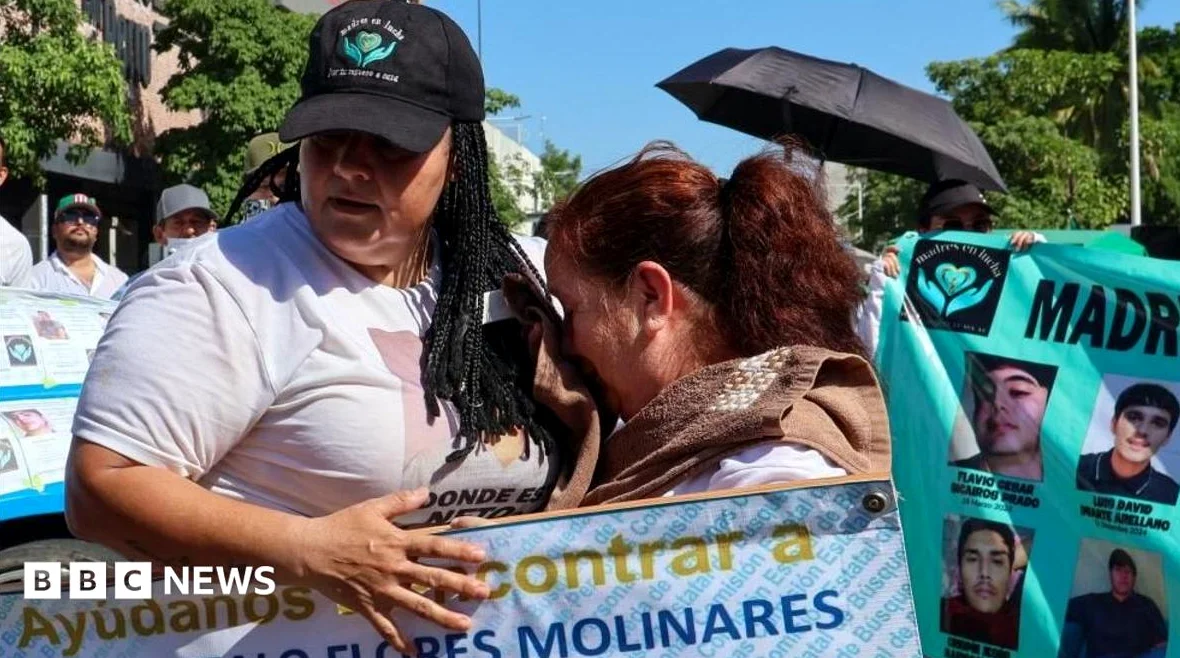
Thousands of residents in Sinaloa, Mexico, have taken to the streets demanding an end to the violence that has gripped the region, according to BBC and Tribune Online. The protests, held in Culiacán, the heart of the Sinaloa cartel’s influence, were driven by growing public frustration over the ongoing conflict between rival drug cartels.
Cartel Conflict and Civilian Casualties
The violence has claimed civilian lives, including that of a one-year-old boy who was killed by a stray bullet during a cartel shootout last week — this incident sparked outrage and galvanized the recent demonstrations. The conflict between Los Chapitos and La Mayiza has led to ambushes, drive-by shootings, and roadblocks, with some trucks being hijacked and set on fire, according to Tribune Online.
The rival groups’ fighting began after the arrest of Ismael “El Mayo” Zambada in the U.S; La Mayiza supporters accuse the son of cartel founder Joaquín “El Chapo” Guzmán of betraying Zambada, according to Tribune Online. The violence has increasingly drawn in ordinary residents, who now live in fear of the escalating conflict.
Protests and Calls for Peace
On Sunday, more than 5,000 businesses in Culiacán were reported to have closed since the conflict began, according to Tribune Online; the protest was organized by relatives of victims, businesses, civil society groups, and the Catholic Church. The event began with a Mass, where the bishop of Culiacán urged the rival groups to stop fighting and consider the impact of the violence on families and young people.
Among those participating in the march were relatives of the one-year-old boy who was killed by a stray bullet; a businessman named Sergio Esquer said that the closures were a sign of the deepening crisis. The Catholic Church has played a significant role in organizing and supporting the protests, reflecting the widespread nature of the community’s distress.
Political Turmoil and Cartel Allegiances
Political turmoil has also added to the instability in Sinaloa. In April, U.S. prosecutors accused Governor Rubén Rocha and nine other current and former officials of conspiring with Los Chapitos to smuggle drugs into the U.S., according to BBC. Rocha has denied the allegations and temporarily stepped down to allow Mexican prosecutors to investigate. After three weeks, he returned to his post, only to request another leave of absence days later after President Claudia Sheinbaum criticized the abuse of political power, according to BBC and Tribune Online.
During the protest, a local leader said, “Stop, look at what’s happening, look at the affected families, look at the young people and at our city. No amount of power, of money, territory or ambition is worth more than a human life,” according to BBC; the statement encapsulated the frustration of a population caught in the crossfire of both cartel violence and political corruption.
As the protests continue, residents are calling for an end to the violence and for leaders,both political and criminal—to take responsibility for the impact on civilian lives and the economy. The situation in Sinaloa remains tense as authorities and community leaders work to find a path toward peace.




Comments
No comments yet
Be the first to share your thoughts