

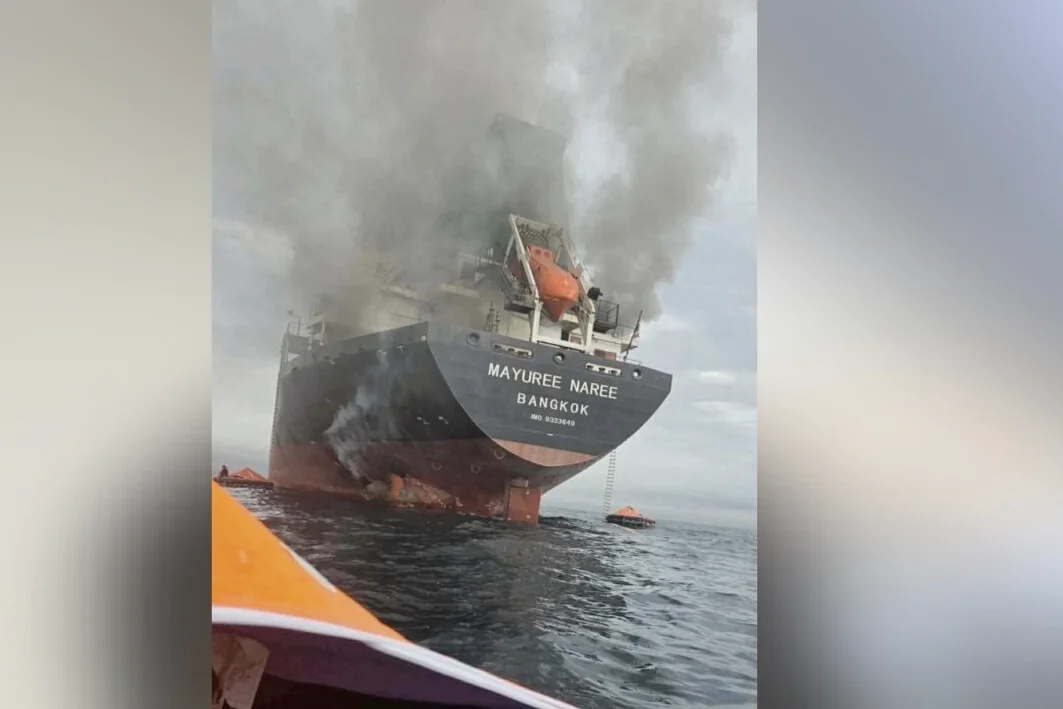
Three commercial vessels were struck by projectiles in and around the Strait of Hormuz overnight, with one catching fire and forcing crews to evacuate, according to UK maritime officials. The attacks occurred as tensions between Iran and Western powers continue to rise, raising concerns over the safety of one of the world’s most critical shipping lanes.
Impact on Global Shipping Routes
The United Kingdom Maritime Trade Operations (UKMTO) reported the incidents on March 11, issuing alerts to shipping companies and advising vessels to exercise caution while the investigation continues. The Strait of Hormuz is a vital chokepoint for global oil and gas trade, with more than 20% of the world’s seaborne oil passing through the narrow waterway each day.
One of the vessels hit by projectiles suffered a fire that forced the majority of the crew to abandon the ship, according to UKMTO. The incident has heightened concerns about the safety of commercial shipping in the region, particularly as Iran has continued to conduct military operations in the Gulf, including drone and missile attacks on U.S. and allied vessels.
The UKMTO has been monitoring the situation closely, as similar incidents have occurred in the past, including the 2019 attacks on oil tankers near the Strait of Hormuz, which were attributed to Iran. These attacks disrupted global oil trade and led to a temporary rise in oil prices.
Regional Tensions and Military Activity
The latest attacks come amid increased military activity in the Gulf, with Iran reportedly conducting drills and launching projectiles near international waters. The U.S. and its allies have also been increasing their naval presence in the region, leading to a heightened risk of accidental or intentional confrontations.
Iran has not officially commented on the latest attacks, but analysts suggest the country may be using military actions to assert its influence in the region and pressure the West, particularly the United States, to ease sanctions and diplomatic tensions.
According to the UKMTO, the projectiles used in the attacks are likely to be either rockets or guided missiles, though the exact origin remains under investigation. The organization has urged shipping companies to follow safety protocols and avoid high-risk areas until further notice.
“The incidents underscore the ongoing volatility in the region and the potential risks to global supply chains,” said a UKMTO spokesperson in a statement. “We continue to monitor the situation closely and provide updates as necessary.”
Shipping companies have been advised to take additional precautions, including rerouting vessels and increasing security measures. Some have already begun to avoid the Strait of Hormuz altogether, opting for longer routes through the Suez Canal or the Cape of Good Hope to reduce the risk of attacks.
What’s Next for Regional Stability
Analysts warn that the recent attacks could lead to further escalation in the region, particularly if the U.S. or its allies respond with military action. The situation remains highly sensitive, with both Iran and Western powers maintaining a delicate balance of power in the Gulf.
“The attacks are likely to be a calculated move by Iran to test the resolve of the West and demonstrate its military capabilities,” said a defense analyst with a European think tank. “If the U.S. responds aggressively, it could lead to a wider conflict.”
Meanwhile, the International Maritime Organization (IMO) has called for increased cooperation between nations to ensure the safety of shipping routes in the region. The organization has also urged countries to de-escalate tensions and avoid actions that could endanger commercial vessels.
The UKMTO has confirmed that investigations into the incidents are ongoing, with no immediate indication of when the findings will be released. In the meantime, shipping companies and maritime authorities continue to work closely to ensure the safety of vessels and crews in the region.
The latest attacks have once again placed the spotlight on the vulnerability of global shipping routes and the need for international cooperation to prevent further incidents. As the situation unfolds, the world will be watching closely for any signs of escalation or de-escalation in the region.






Comments
No comments yet
Be the first to share your thoughts