

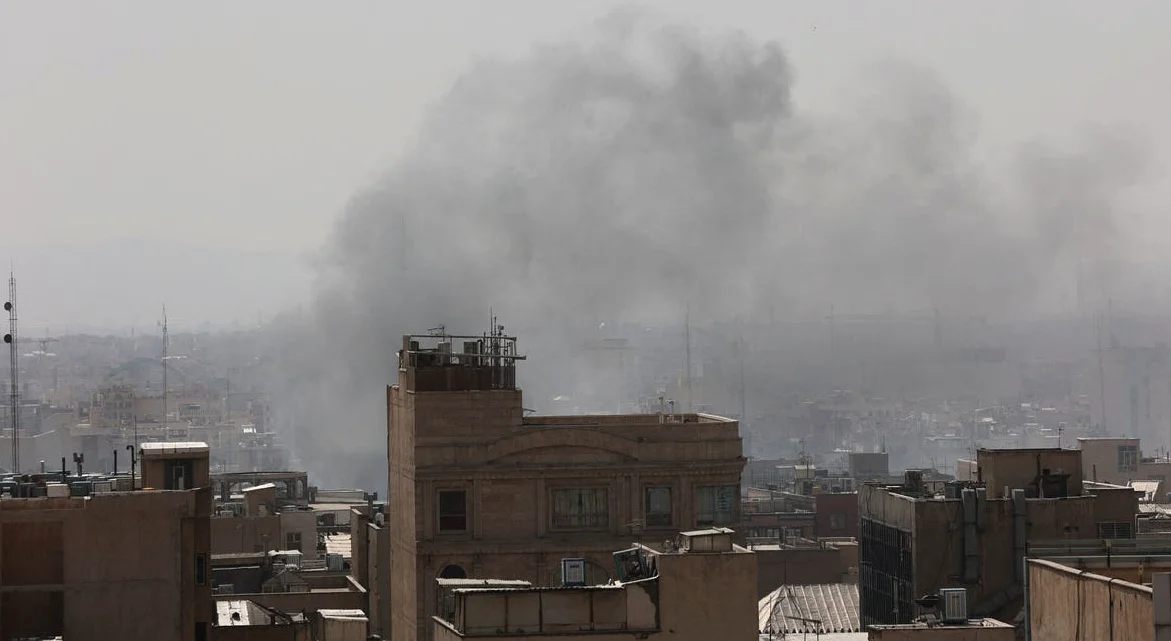
Three U.S. service members were killed in military operations against Iran, according to the U.S. Central Command, which also reported five others seriously wounded in the attack. The incident, part of Operation Epic Fury, has raised concerns about escalating tensions in the Middle East and the potential for further conflict.
Escalation in the Gulf of Oman
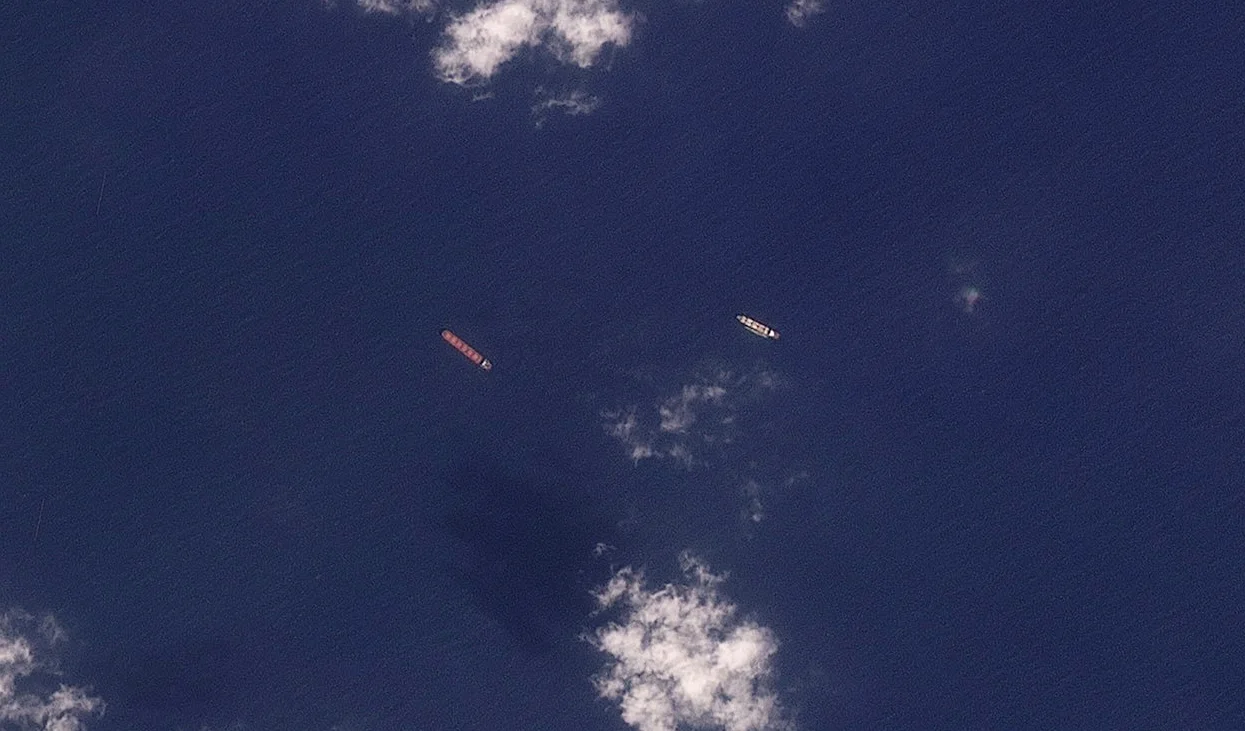
The U.S. Central Command confirmed that an Iranian Jamaran-class corvette was sunk in the Gulf of Oman at a Chah Bahar pier, marking a significant escalation in hostilities. The operation, which began earlier this week, has been described by military officials as a direct response to Iranian actions in the region.
The U.S. military has issued a clear warning to Iranian forces, urging them to lay down their arms and abandon their posts. The Central Command reiterated President Donald Trump’s call for Iran to de-escalate the situation, stating, “Members of Iran’s armed forces, IRGC and police ‘must lay down your weapons.’ Abandon ship,” in a post on X.
President Trump’s Warnings
President Trump, in a post on Truth Social, warned that the United States would respond with “a force that has never been seen before” if Iran retaliates against U.S. strikes. He cited statements from Iran that they would “hit very hard today, harder than they have ever been hit before.”
Trump’s remarks, coming amid heightened military activity, underscore the volatile nature of the current standoff. His comments have drawn attention from both supporters and critics, with many questioning the potential consequences of such a forceful response.
Impact on Regional Stability
The loss of three U.S. service members and the destruction of an Iranian warship have significant implications for regional stability. Analysts warn that the situation could spiral into a broader conflict, affecting not only the Middle East but also global oil markets and trade routes.
According to the U.S. Central Command, the operation was conducted with precision and purpose, targeting Iranian military assets in the Gulf of Oman. The sinking of the corvette, a critical asset for Iran, is seen as a strategic move to disrupt Iranian naval operations in the region.
Regional experts note that the Gulf of Oman is a key shipping lane for global trade, with over 20% of the world’s oil passing through the area annually. Any escalation in hostilities could lead to disruptions in global supply chains and increased oil prices, affecting economies worldwide.
“The U.S. military’s actions in the Gulf of Oman are a clear signal of their intent to assert dominance in the region,” said Dr. Emily Carter, a Middle East analyst at the Global Institute for Strategic Studies. “However, this could also provoke a more aggressive response from Iran, which has been building its military capabilities over the years.”
Iran has not yet officially commented on the U.S. military actions, but state media have reported that the country is preparing for potential retaliatory measures. This uncertainty has led to increased military activity in the region, with both sides deploying additional forces to key locations.
The U.S. military has not provided further details on the casualties or the specific targets of the operation. However, it is understood that the attack was part of a broader strategy to deter Iranian aggression and protect U.S. interests in the Gulf.
As tensions continue to rise, the international community is closely watching the situation, with many calling for de-escalation and diplomatic dialogue. The United Nations has urged all parties to exercise restraint and avoid actions that could lead to further conflict.
With no immediate resolution in sight, the situation remains highly volatile, and the potential for further military action remains a real concern for both U.S. and Iranian forces.





Comments
No comments yet
Be the first to share your thoughts