


The U.S. and Iran have agreed to stand down after days of tit-for-tat hostilities, according to a U.S. official. The two sides will hold new talks in Qatar, after a week of attacks around the Strait of Hormuz, a key waterway that Iran had militarized at the start of the war. The U.S. and Iran signed a memorandum of understanding (MOU) on June 17, beginning a 60-day negotiation period toward a final deal to reopen the Strait and end the war, which the U.S. and Israel launched on Feb. 28.
Escalation and Response
Iran canceled technical talks with the U.S. that were scheduled for Sunday, Iranian state-linked media reported. Iranian authorities cited the weekend attacks and said they needed to check if certain MOU conditions,like the release of frozen Iranian assets,had been met before talks could continue. Those talks are now back on. A U.S. official told Axios on Sunday — the two sides have decided to stop attacking each other and will meet on Tuesday in Qatar.
In the meantime. The U.S. and Iran engaged in a series of attacks — the U.S. forces seized an Iranian oil tanker on Tuesday, and the Pentagon released footage of the operation. Hours later. Iran attacked a Greek freighter in a cinematic-style operation involving masked men and fast boats, the attacks demonstrated the ongoing tension and the use of asymmetric tactics in the region.
Expanding Scope of Conflict
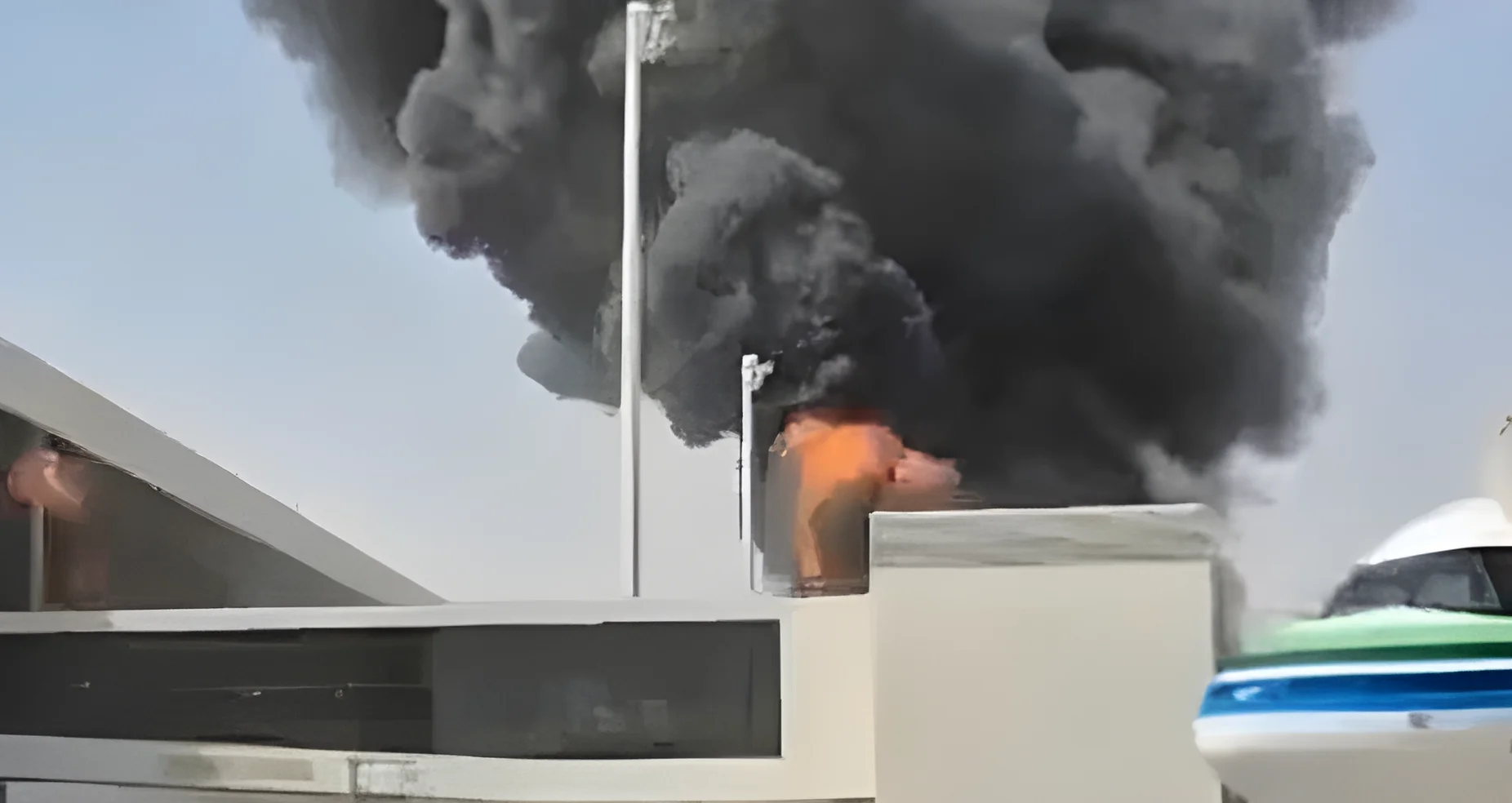
Iran’s attacks extended beyond U.S. military bases to include energy facilities and infrastructure. In Iraq’s Kurdish region. The U.S.-operated Sarakhs oil field was struck by a drone attack, causing explosions and fires and halting about 30,000 barrels of daily oil production, according to local authorities. While the attackers were not immediately identified, local officials pointed to Iran-linked Iraqi militias as possible perpetrators, as In the UAE, six people were injured and energy facilities caught fire after a drone attack near a U.S. military base.
Iran also targeted a civilian facility in Azerbaijan, injuring four people, prompting the country to issue a warning of retaliation. The Gulf Cooperation Council is set to hold an emergency video conference on the issue, at the request of Saudi Arabia, according to the Wall Street Journal. Meanwhile, the Strait of Hormuz remains blocked, halting crude oil shipments, as reported by 연합뉴스.
Cyber and Propaganda War
Beyond physical attacks, the conflict has expanded into the digital domain. Myriam Dunn Cavelty, a researcher at the Center for Security Studies at ETH Zurich, noted that the Iranian military has long had expertise in cyber operations and has evolved significantly since the 2010 Stuxnet attack. The use of AI in propaganda and disinformation has increased, allowing for the “democratization” of influence campaigns, according to Cavelty, though Iran’s strategy involves shaping public perception through social media and digital storytelling, using AI to maximize reach with minimal resources.
The U.S. and Iran are now focusing their talks on the Strait of Hormuz, as previously planned negotiations in Switzerland were postponed. A key point of contention is the establishment of a direct military-to-military communication channel to coordinate traffic through the Strait, according to Axios. Iran has rejected the existence of such a channel, and as of Saturday, no such hotline was operational.
The recent escalation has highlighted the complex and multi-layered nature of U.S.-Iran tensions, with physical, cyber, and diplomatic fronts all active. While the two sides have agreed to pause hostilities and resume talks, the path to a final agreement remains uncertain, with many conditions still unmet.

Comments
No comments yet
Be the first to share your thoughts