

 The Telegraph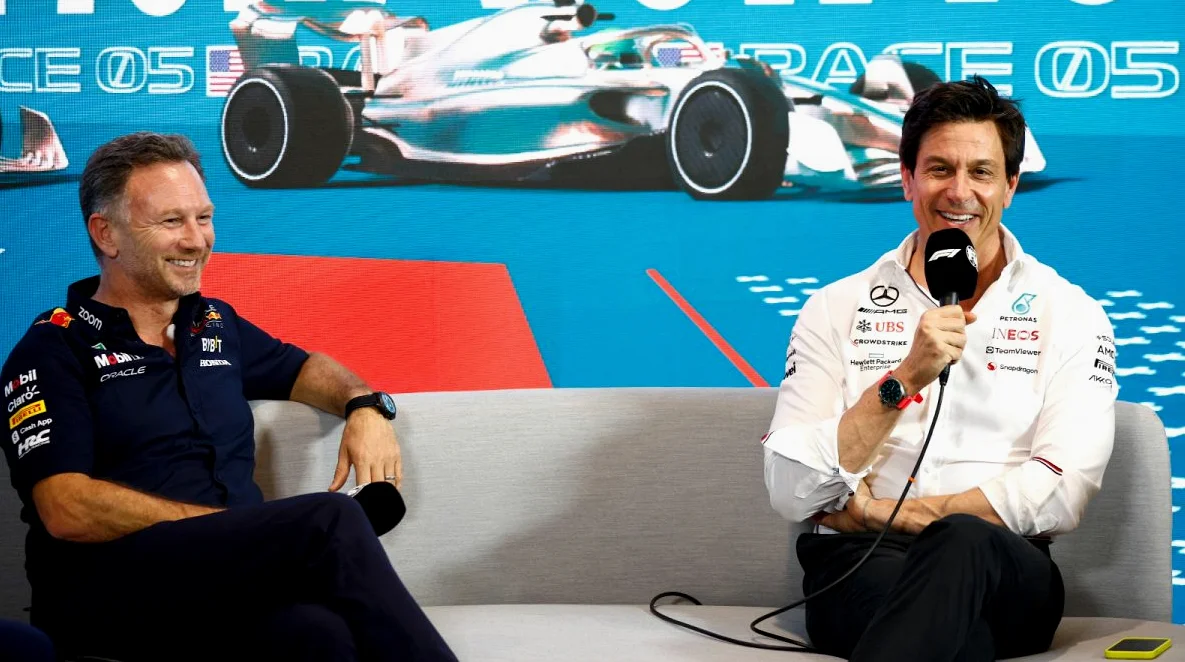
Christian Horner, former CEO and team principal of Red Bull Racing, is seeking to re-enter Formula 1 through a potential acquisition of Alpine F1 Team. However, his ambitions may be complicated by a surprising development: Toto Wolff and Mercedes are reportedly entering the race to purchase the same stake in Alpine that Horner is targeting.
Horner’s F1 Comeback Plans
Horner was dismissed from Red Bull Racing in 2023 after a contentious season with the team. Since then, he has been exploring various avenues to re-enter Formula 1, with one of the most prominent being a potential acquisition of Alpine F1 Team.
According to reports from The Telegraph, Horner is part of a consortium aiming to acquire the 24% stake in Alpine currently held by Otro Capital, an American private equity firm that invested in the team in 2023. This move would allow Horner to gain a foothold in the sport and potentially become a majority owner of Alpine in the future.
However, the path to full ownership may be blocked by Renault Group, Alpine’s parent company, which is unlikely to sell enough equity to allow a complete takeover of the team.
Mercedes Enters the Race
The situation has taken an unexpected turn with reports that Toto Wolff, the chief executive of Mercedes-AMG Petronas Formula One Team, is leading a bid to purchase the same 24% stake in Alpine that Horner is targeting.
If successful, this deal would grant Mercedes a financial stake in Alpine, a rival team. This development has raised questions about the implications for the existing technical relationship between Mercedes and Alpine, which is set to continue under the new power unit regulations starting in 2026.
Mercedes is currently supplying Alpine with engines and gearboxes, an agreement expected to last until at least 2030. A Mercedes-linked ownership stake in Alpine could deepen this relationship, potentially creating a more complex power dynamic within Formula 1.
Flavio Briatore, Alpine’s executive adviser, confirmed earlier this year that Horner was interested in the shares as part of a consortium. However, he did not mention Mercedes as a potential buyer at the time.
Strategic Implications for F1
Wolff’s interest in Alpine is significant not only because of the technical partnership but also due to the broader political landscape of Formula 1. With Horner and Wolff being long-time rivals, this move could add another layer of complexity to the sport’s already complex power struggles.
Analysts suggest that this potential acquisition could shift the balance of influence in Formula 1, particularly with regard to the technical and financial relationships between teams. The existing partnership between Mercedes and Alpine is already a unique arrangement in the sport, and a deeper integration could have long-term consequences.
The situation also raises questions about the future of Alpine itself. If Mercedes acquires a stake, it could affect the team’s autonomy and strategic decisions. This is especially important as Alpine is in a transitional phase following its recent rebranding from Renault F1 Team.
Horner’s bid for Alpine is not just about personal ambition; it is also about securing a future in Formula 1. With the sport’s financial landscape evolving rapidly, securing a stake in a team like Alpine could provide a stable platform for Horner to re-establish himself in the sport.
Meanwhile, the involvement of Mercedes adds an unexpected twist. Toto Wolff has long been a key figure in Formula 1, and his move into Alpine could be seen as a strategic play to strengthen Mercedes’ position in the sport.
As the race for Alpine’s stake intensifies, the outcome could have significant implications for the future of the team and the broader Formula 1 ecosystem. The final decision is expected to be made in the coming months, with potential negotiations and discussions ongoing behind the scenes.


Comments
No comments yet
Be the first to share your thoughts