

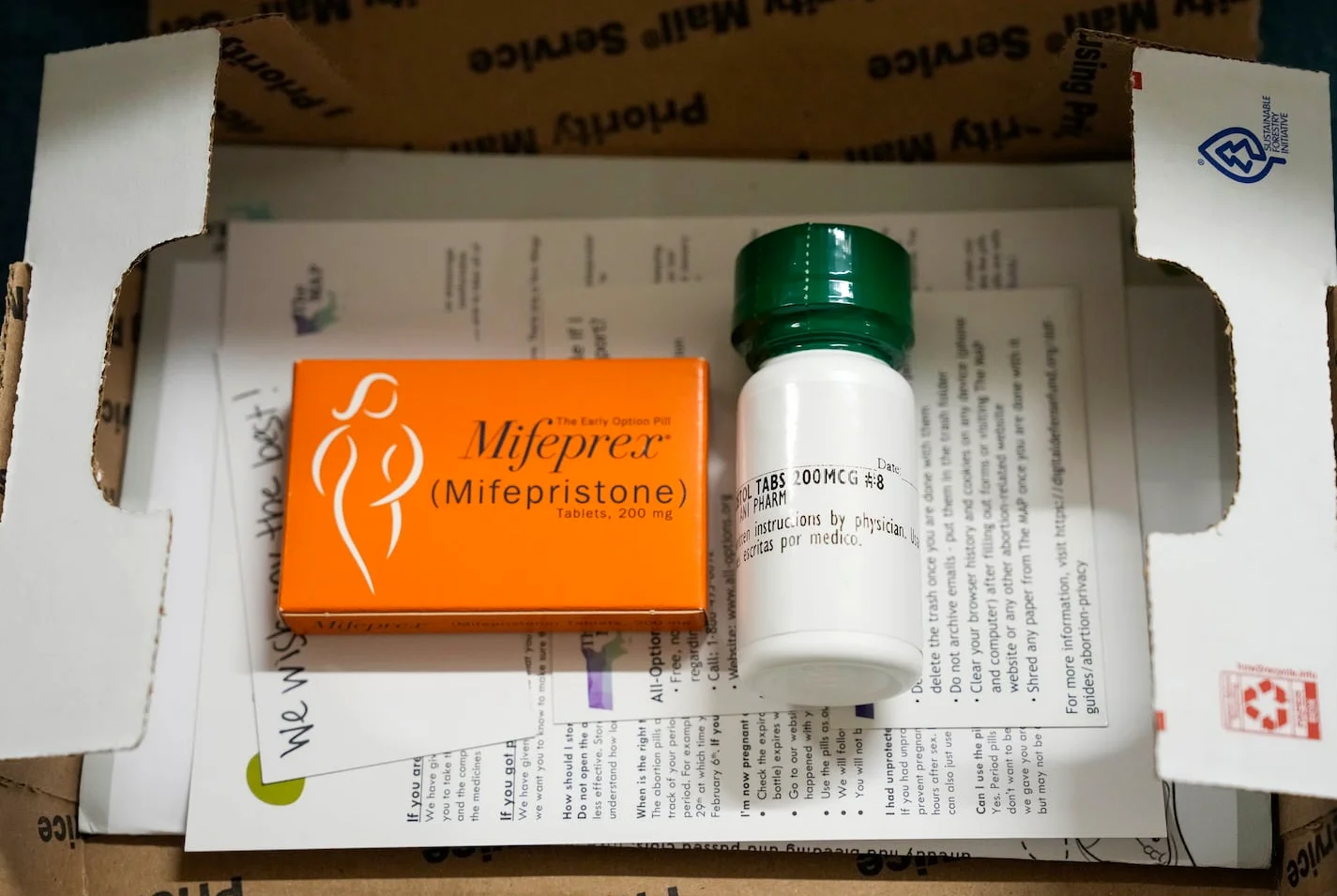
The Trump administration has launched an investigation into states that require health insurance plans to cover abortion services, alleging that these mandates may violate the Weldon Amendment. The move comes as the administration seeks to enforce what it calls a legal interpretation of the amendment, which protects health care providers and insurers from being compelled to cover abortions contrary to their religious or moral beliefs.
Legal Basis and Scope of the Investigation
The U.S. Department of Health and Human Services (HHS) civil rights office has sent letters to 13 states that have laws requiring health insurance to include abortion coverage. These states include California, Colorado, Delaware, Illinois, Maine, Maryland, Massachusetts, Minnesota, New Jersey, New York, Oregon, Vermont, and Washington. All but Vermont are governed by Democratic officials.
HHS civil rights office director Paula M. Stannard stated that the investigation is aimed at addressing alleged disregard or confusion regarding compliance with the Weldon Amendment. She emphasized that under the amendment, health care entities such as health insurance issuers and health plans are protected from state discrimination for not paying for, or providing coverage of, abortion contrary to conscience.
The Weldon Amendment, enacted in 2005, is part of a broader category of laws known as conscience laws. These laws provide legal protections for individuals and health care entities that refuse to provide certain services, including abortions, due to religious or moral objections. According to Mary Ziegler, a law professor at the University of California, Davis, the interpretation of the Weldon Amendment has seen a partisan shift over the years, depending on which political party is in power.
Legal Interpretation and Political Implications
Ziegler noted that the Weldon Amendment does not explicitly mention employers or other health care sponsors, which could give Democrats an advantage in their interpretation of the law. However, the legal interpretation remains unresolved in court, and the outcome could have significant implications for health care policy.
Elizabeth Sepper, a law professor at the University of Texas at Austin, pointed out that the Heritage Foundation’s Project 2025, a policy proposal for a future Trump administration, called for withholding Medicaid funding from states found to violate the Weldon Amendment. She described the current investigation as fulfilling a promise to the religious right.
The Weldon Amendment has been a point of contention in recent years, with different administrations interpreting its scope differently. During the Biden administration, the HHS civil rights office stated that the amendment did not apply to employers or other health care sponsors. However, the Trump administration has reversed that stance, claiming that the amendment does apply to such entities.
Impact on Health Care and Patients
The potential enforcement of the Weldon Amendment could have significant consequences for health care access in the affected states. If the Trump administration’s interpretation is upheld, it could lead to a situation where health insurance plans are not required to cover abortion services, potentially limiting access for individuals who rely on such coverage.
For patients in these states, the implications could be far-reaching. Women seeking abortion services may face increased out-of-pocket costs or be forced to seek care in states with more lenient laws. This could create disparities in access to reproductive health care, particularly in regions where such services are already limited.
According to a 2023 report by the Guttmacher Institute, approximately 13% of women in the U.S. have had an abortion by age 45. If the Trump administration’s interpretation of the Weldon Amendment is enforced, it could significantly affect this population, particularly in states where health insurance mandates currently require coverage of abortion services.
The investigation is likely to face legal challenges, as several states have already taken legal action to defend their abortion coverage requirements. In 2023, a federal court ruled in favor of California in a case involving its mandate to cover abortion services, suggesting that the legal battle over the Weldon Amendment may be protracted.
What’s Next in the Legal and Political Arena
The HHS civil rights office has requested additional information from the 13 states under investigation, and it is unclear whether the administration will take further enforcement actions. Legal experts suggest that the outcome of this investigation could influence future federal health care policies and the interpretation of the Weldon Amendment.
With the 2024 presidential election approaching, the issue of reproductive health care and the Weldon Amendment is likely to become a focal point in the political discourse. The investigation could also affect the broader debate over the role of conscience laws in health care and the balance between individual rights and state mandates.
The Trump administration’s decision to investigate these states marks a significant shift in the interpretation of the Weldon Amendment. As the legal battle unfolds, the implications for health care access, patient rights, and federal-state relations will be closely watched by legal scholars, health care providers, and the public.






Comments
No comments yet
Be the first to share your thoughts