


Sanctions Eased for Iranian Oil at Sea
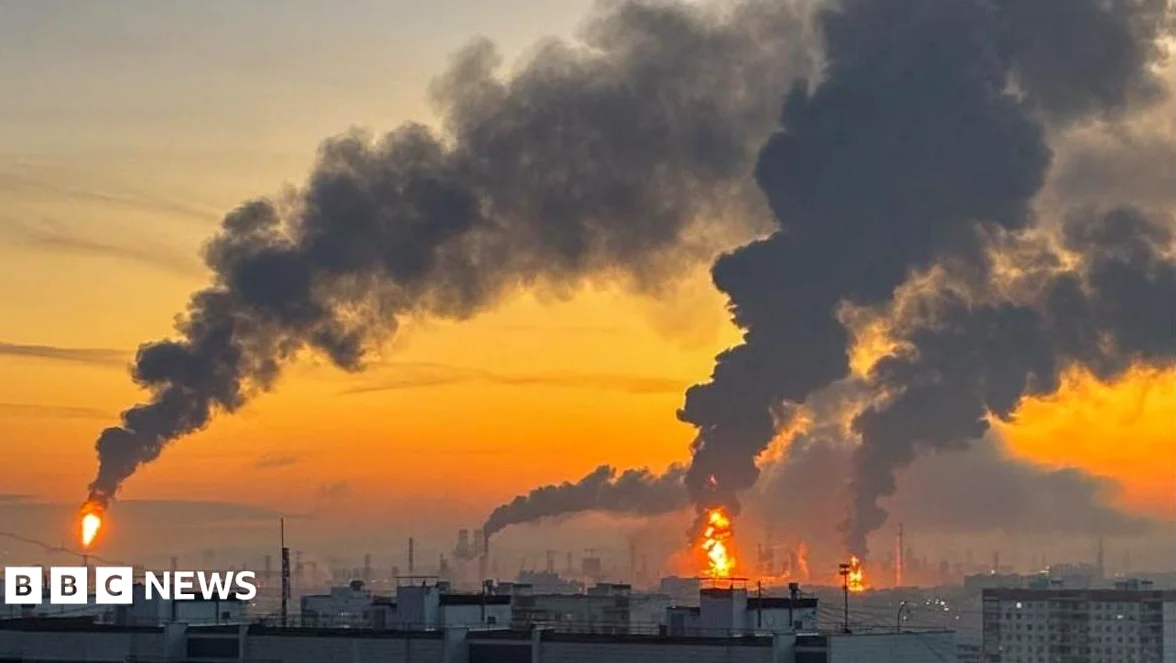
The Trump administration has temporarily lifted sanctions on Iranian oil shipments at sea, according to U.S. Treasury officials. This move allows buyers to purchase Iranian crude that is already en route, bypassing the stringent sanctions that have restricted Iran’s oil industry for years. The decision comes as global oil prices have surged, with U.S. gasoline prices reaching record highs.
The easing of sanctions was described as ‘very temporary’ by Mike Waltz, a White House official, during a CNN town hall. He stated that the administration is seeking to lower gas prices by increasing the supply of oil in international markets.
According to CBS News, the U.S. Treasury has authorized the purchase of Iranian oil that’s already at sea, exempting buyers from the tight sanctions that have restricted Iran’s oil industry for years. The move is part of a broader strategy by the Trump administration to manage the global oil market and stabilize prices.
The decision to allow the sale of Iranian oil at sea is a significant departure from previous policies that have aimed to isolate Iran economically. It reflects a pragmatic approach by the Trump administration to address the immediate challenge of rising oil prices.
Japanese officials told NHK that the move could have a ripple effect on regional energy markets, particularly in Asia, where demand for oil is high. The temporary lifting of sanctions may also signal a shift in the administration’s broader strategy toward Iran, as it seeks to balance economic interests with geopolitical concerns.
However, the move has raised concerns among some analysts. A European Union official expressed worry that the easing of sanctions might undermine the effectiveness of international pressure on Iran. ‘This could create a precedent that weakens the overall strategy of isolating Iran economically,’ the official said.
According to a report by the Chinese Global South Project, the decision has been closely watched by China, which has long advocated for the removal of U.S. sanctions on countries like Venezuela and Cuba. Chinese analysts have noted that the temporary easing of sanctions on Iran could influence similar policies in other regions.
Strategic Considerations and Regional Reactions
The Trump administration’s decision to ease sanctions on Iranian oil is part of a larger strategic calculus. According to CBS News, the administration has been strategizing methods and options to secure or extract Iran’s nuclear materials. This effort is ongoing as the U.S. continues to monitor Iran’s nuclear program closely.
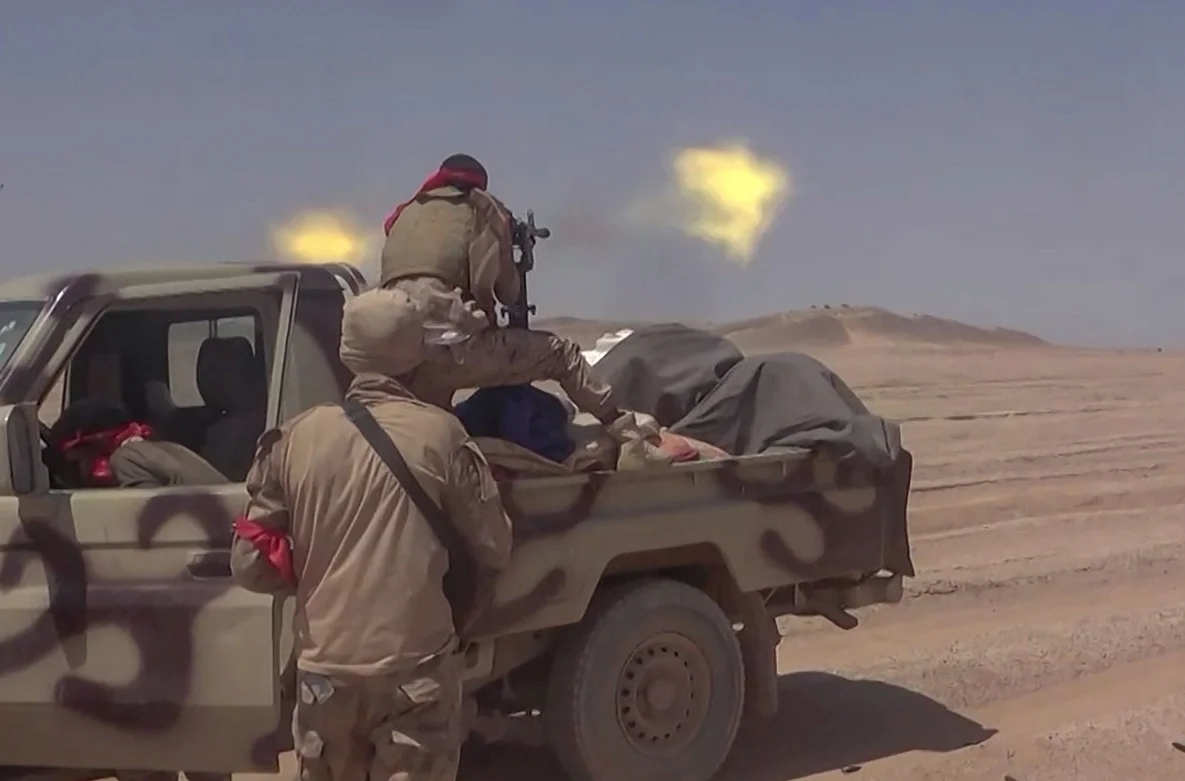
Meanwhile, the U.S. military has been increasing its presence in the region. Two U.S. officials confirmed that about 2,200 more U.S. Marines and three additional warships are being deployed to the Middle East. This move comes as tensions in the region remain high, with the war in Iran entering its third week.
Japanese officials told NHK that the increased U.S. military presence has raised concerns in Asia. ‘The deployment of additional troops and warships could escalate tensions in the region, particularly with Iran,’ a Japanese defense analyst said. The analyst added that the move might also impact regional security dynamics, including the potential for increased military confrontations.
The decision to ease sanctions on Iranian oil has also sparked reactions from other countries. South Korea, as reported by the Korean newspaper, has joined a joint statement with seven other nations condemning Iran’s actions in the Strait of Hormuz. The statement emphasizes the importance of maintaining the free flow of international maritime traffic and the need for diplomatic solutions to resolve the crisis.
According to the Korean newspaper, the South Korean government’s decision to participate in the joint statement reflects its commitment to international cooperation and the maintenance of global energy security. The statement also highlights the potential consequences of Iran’s actions on global energy markets and the need for a coordinated international response.
Chinese analysts, as reported by the China-Global South Project, have noted that the temporary easing of sanctions on Iran could influence similar policies in other regions. ‘The U.S. decision to allow the sale of Iranian oil at sea may set a precedent for the relaxation of sanctions on other countries,’ a Chinese analyst said. ‘This could have implications for the global energy market and the broader geopolitical landscape.’
Domestic and International Reactions
The easing of sanctions on Iranian oil has drawn mixed reactions both domestically and internationally. Within the U.S., the move has been welcomed by some energy sector representatives who see it as a step toward stabilizing oil prices. However, it has also faced criticism from certain political groups who argue that it undermines the administration’s broader strategy toward Iran.
A U.S. senator criticized the decision, stating that it could embolden Iran and send a signal that the U.S. is willing to compromise on its sanctions policy. ‘This move could be seen as a concession to Iran, which may encourage further aggressive behavior,’ the senator said.
On the other hand, some business leaders have praised the decision, arguing that it could help reduce the financial burden on American consumers. ‘Lowering oil prices would be beneficial for the economy, especially for middle-class families who are struggling with high gas prices,’ a business executive said.
Internationally, the move has been viewed with a mix of caution and skepticism. European Union officials have expressed concerns about the potential impact on the effectiveness of sanctions against Iran. ‘We need to ensure that any relaxation of sanctions does not undermine the overall strategy of pressuring Iran to comply with international norms,’ an EU official said.
Meanwhile, in Asia, the response has been more subtle. Japanese officials have acknowledged the potential benefits of increased oil supply but have also cautioned against any long-term relaxation of sanctions. ‘While the temporary easing of sanctions may help in the short term, it is central to maintain a firm stance on Iran’s nuclear program,’ a Japanese analyst said.
Chinese analysts have also weighed in on the implications of the U.S. decision. ‘The temporary lifting of sanctions on Iranian oil could have a ripple effect on the global energy market,’ a Chinese analyst said. ‘It may encourage other countries to reconsider their own sanctions policies, which could lead to a broader shift in international economic relations.’
Future Implications and What’s Next
The Trump administration’s decision to temporarily lift sanctions on Iranian oil is likely to have both immediate and long-term implications. In the short term, it may help stabilize global oil prices and reduce the financial burden on American consumers. However, the long-term consequences are less clear.
According to CBS News, the administration is still considering various options to address the broader challenge of Iran’s nuclear program. This includes the potential deployment of U.S. troops on the ground in Iran, although it is unclear under what circumstances President Trump would authorize such a move.
Japanese officials told NHK that the increased U.S. military presence in the region could lead to further escalation of tensions. ‘The deployment of additional troops and warships may increase the risk of military confrontation, especially if Iran perceives it as a threat,’ a Japanese defense analyst said.
The decision to ease sanctions on Iranian oil may also influence the broader geopolitical landscape. It could signal a shift in the administration’s approach to dealing with Iran, potentially affecting the balance of power in the Middle East.
According to the China-Global South Project, the temporary easing of sanctions could have implications for the global energy market. ‘The U.S. decision to allow the sale of Iranian oil at sea may set a precedent for the relaxation of sanctions on other countries,’ a Chinese analyst said. ‘This could lead to a broader shift in international economic relations and the dynamics of global energy markets.’
As the situation develops, the international community will be closely watching the administration’s next steps. The effectiveness of the temporary lifting of sanctions on Iranian oil will depend on how it is implemented and the broader geopolitical context.
The U.S. military’s increased presence in the region is likely to remain a key factor in shaping the outcome of the crisis. The potential deployment of U.S. troops on the ground in Iran adds another layer of complexity to the situation.
In the coming days, the administration is expected to provide more details on its strategy toward Iran, including the potential use of military force and the broader implications for international relations. The international community will be watching closely to see how the administration’s decisions impact the global energy market and the broader geopolitical landscape.




Comments
No comments yet
Be the first to share your thoughts