

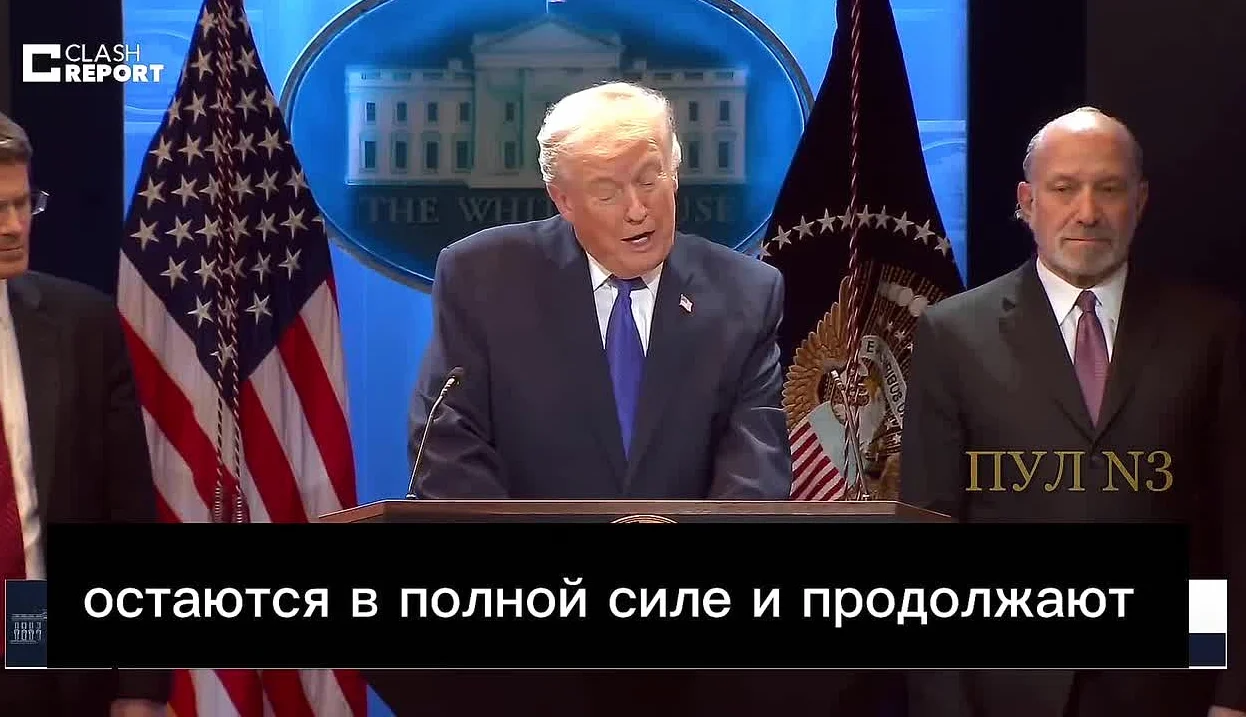
WASHINGTON — President Donald Trump declared Friday that he will sign an executive order introducing a 10% tariff on all global imports, effective immediately and layered atop current duties. The move comes hours after a federal court ruling questioned the validity of his prior tariff actions, but Trump dismissed the decision outright.
“These measures have already been confirmed and fully resolved,” Trump stated in remarks from the White House. “From now on, all tariffs in the interests of national security remain unchanged, remain in full force and continue to operate in full.”
The announcement escalates Trump’s long-standing trade war strategy, first launched during his initial term. Back then, he invoked Section 232 of the Trade Expansion Act of 1962 to slap tariffs on steel and aluminum imports, citing threats to U.S. national security. A U.S. Court of International Trade panel ruled Thursday that the administration overstepped its authority in some cases, ordering a review of certain tariffs. Trump made no mention of the ruling in his statement.
“Today I will sign an order on the introduction of a global tariff of 10%,” Trump added. “It will be applied in excess of the usual fees that are already being charged.” White House officials confirmed the signing ceremony is set for later Friday afternoon in the Oval Office.
Economists warn the blanket tariff could jolt global supply chains already strained by inflation and geopolitical tensions. The Tax Foundation estimates a 10% universal import tax would raise $2.2 trillion over a decade but shrink U.S. GDP by 0.6%. Retailers from Walmart to small manufacturers have lobbied against broad tariffs, arguing they fuel price hikes for American consumers.
Trump’s trade team, led by Commerce Secretary Wilbur Ross in his first term, defended the policy as essential to reviving domestic industry. “This levels the playing field against countries dumping cheap goods,” a senior administration official said on condition of anonymity. The new tariff targets no specific nations but applies universally, sparing only allies under existing exemptions like the USMCA deal with Canada and Mexico.
Reactions poured in swiftly. House Speaker Nancy Pelosi called the plan “reckless escalation that punishes working families.” The U.S. Chamber of Commerce urged restraint, stating in a release that “broad tariffs hurt U.S. exporters through retaliation.” China’s foreign ministry spokesman labeled it “unilateral bullying,” hinting at countermeasures.
Legal experts question whether the global tariff can withstand court scrutiny. The recent ruling stemmed from lawsuits by steel importers and liberties groups, who argued national security claims don’t justify open-ended trade barriers. “Courts are narrowing the executive’s tariff powers,” said trade lawyer Simon Lester of the Cato Institute. “Trump’s defiance invites more litigation.”
Trump has history defying judicial pushback on trade. In 2019, the Supreme Court allowed his steel tariffs to stand while lower courts deliberated. This time, sources close to the administration say they’re prepared for appeals up to the high court.
The tariff rollout aligns with Trump’s 2024 campaign pledges to shield American workers from foreign competition. Implementation details remain sparse—customs officials expect the duties to hit ports within weeks. Importers face immediate compliance, with penalties for non-payment.
Markets dipped on the news. The Dow Jones fell 150 points midday Friday, with tariff-sensitive sectors like autos and tech hit hardest. The dollar strengthened against the euro and yuan as investors braced for trade friction.
As the signing looms, Capitol Hill buzzes with bipartisan calls for oversight. Senate Finance Committee Chair Ron Wyden, D-Ore., vowed hearings next week. Trump, undeterred, doubled down: “America First means protecting our industries—no apologies.”






Comments
No comments yet
Be the first to share your thoughts