

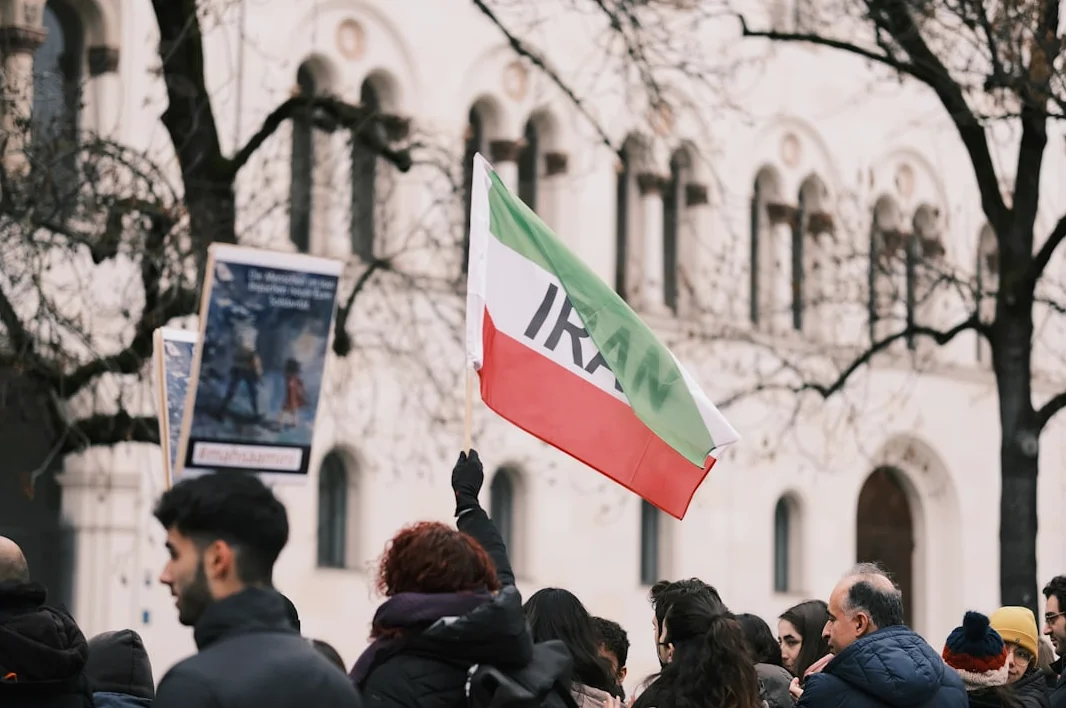
U.S. President Donald Trump has delayed a planned military strike on Iran following appeals from Gulf allies, according to a Bloomberg report. The move comes amid escalating tensions and ongoing negotiations to end the conflict. The U.S. and Iran have exchanged strikes throughout the week, even as Trump has expressed confidence in negotiations to bring the war to a close.
Missile Attacks and Ceasefire Violations
The U.S. military on Thursday (May 28, 2026) accused Iran of violating a fragile ceasefire after Kuwait reported coming under attack. U.S. Central Command said that Kuwait had intercepted missiles launched by Iran late on Wednesday (May 27) night, calling the Iranian attack on one of America’s top allies in the Persian Gulf an “egregious ceasefire violation” according to The Hindu.
Iran’s Major Guards also threatened a “firm response” on Thursday (May 28, 2026) in the event of renewed attacks, after the United States carried out a strike in the country’s south. The ongoing cycle of attacks has intensified the conflict and raised concerns over a broader regional war.
Strait of Hormuz and Economic Impact
The Strait of Hormuz, a key global oil and gas trade route, remains blocked by Iran. According to TRANSPORT – die Zeitung für den Güterverkehr, U.S. President Donald Trump said the U.S. has “nothing to do” with the problem, which is a consequence of the American-Israeli war against Iran. Trump requested help from NATO partners for the military safeguarding of the strait but criticized them for not complying.
Iran’s attacks and threats have nearly brought shipping through the strait to a standstill. As a result, prices for crude oil and liquefied gas have risen significantly. Important ports and loading stations for global oil and gas trade are located in the Persian Gulf, from where ships transport their cargo through the strategically important Strait of Hormuz to the world market.
In Kuwait, fuel tanks at the international airport were hit by drones, as the country’s civil aviation authority reported during the night. Initial findings revealed only material damage. Off the coast of Qatar, a tanker came under fire. The UK Maritime Trade Operations (UKMTO) reported that there was damage to the hull above the waterline. The crew is safe, but it remained unclear who was responsible for the attack.
Market Reactions and Geopolitical Impact
Global markets have shown mixed reactions to the evolving situation. The Euro rose by 0.26% amid a volatile session characterized by geopolitical headlines and broad U.S. Dollar weakness, according to TMGM. The EUR/USD pair trades at 1.1654 after bouncing off daily lows of 1.1608. Market sentiment remains neutral, with headlines affecting oil prices and investor sentiment.
Meanwhile, U.S. stock futures advanced despite market caution after the United States (US) forces conducted self-defense strikes in southern Iran on Monday, targeting missile launch sites and Iranian vessels attempting to deploy mines. According to TMGM, the Dow Jones futures rose 0.53% above 50,900 during European hours ahead of the U.S. regular opening on Tuesday. The S&P 500 also rose 0.54% toward 7,550, and the Nasdaq 100 futures gained 0.73% above 29,750.
Traders are tracking diplomatic progress on a potential peace agreement between the United States (US) and Iran. Bloomberg reported on Monday that President Trump stated negotiations toward a deal to end the conflict and reopen the Strait of Hormuz were “proceeding nicely.” However, traders remain cautious due to fears of an energy-driven inflation shock and strengthened expectations that the Federal Reserve (Fed) may tighten monetary policy.
According to the CME FedWatch tool, market participants are now pricing in a nearly 41.0% probability that the Fed will implement a 25-basis-point interest rate increase by the end of the year. Market attention is now turning toward the upcoming PCE inflation data for clearer signals on the Fed’s future policy path.
Meanwhile, the silver price (XAG/USD) depreciated after registering 2.36% of gains in the previous day, trading around $76.30 during the Asian hours on Tuesday, according to TMGM. Safe-haven demand for Silver faded as risk aversion eased after Trump announced the delay in the Iran strike. Persistent inflation concerns linked to elevated energy prices due to Middle East conflicts raise the odds of prolonged higher interest rates by central banks globally.






Comments
No comments yet
Be the first to share your thoughts