

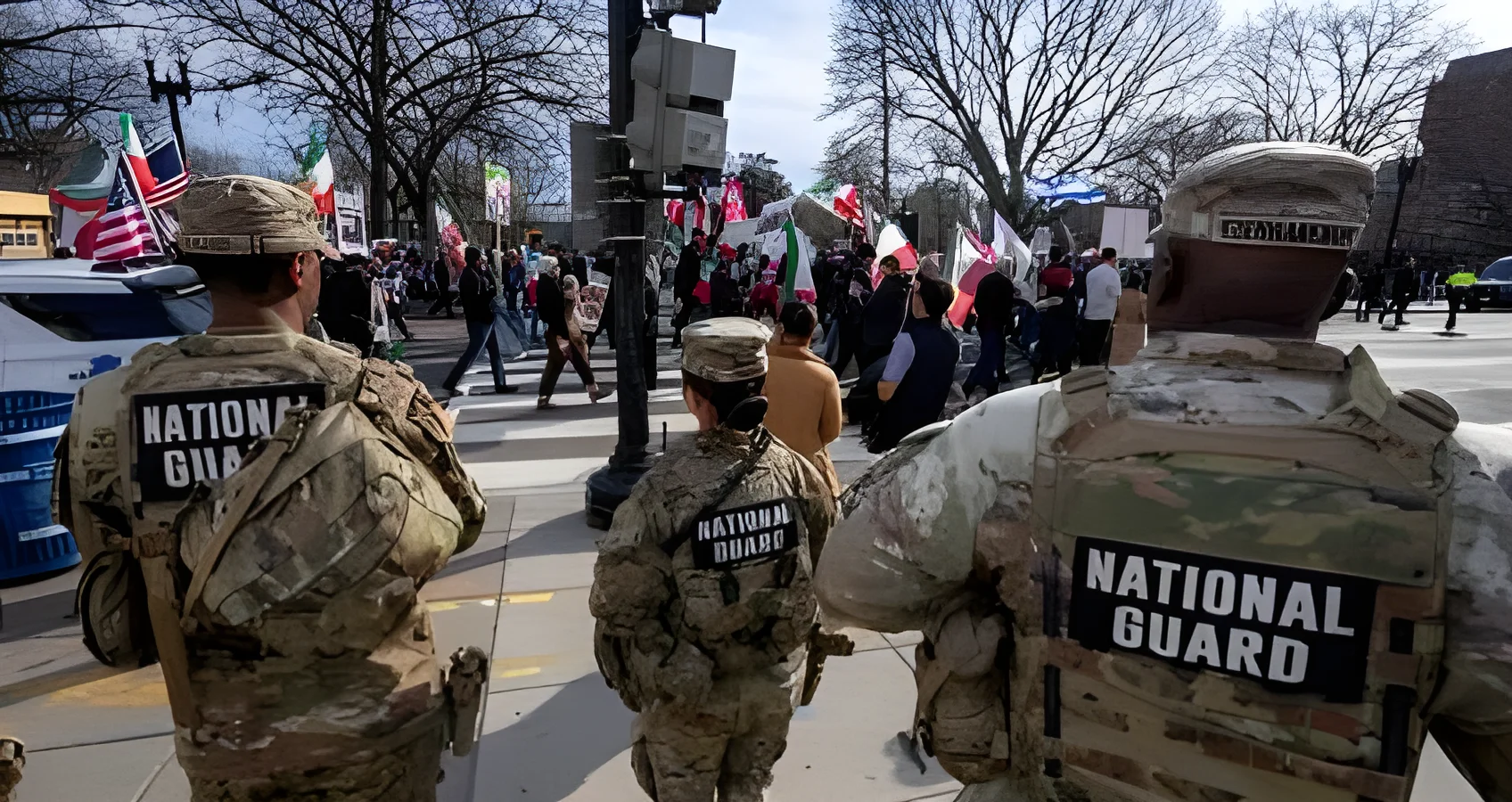
President Donald Trump has signaled that he may soon declare victory in the ongoing conflict with Iran, but the Iranian regime, despite suffering significant losses, continues to assert its influence and control over critical global shipping lanes. With much of Iran’s navy destroyed and top leaders killed, Trump has achieved key military objectives set by U.S. military leaders at the outset of the war. However, the broader strategic goals remain unmet, as Iran still retains a substantial stockpile of highly enriched uranium and continues to challenge the United States and its allies in the Persian Gulf.
Iran’s Strategic Position and Nuclear Ambitions
Iran has not been weakened to the extent that the U.S. military had hoped. Despite the destruction of its navy and the loss of key leaders, the Iranian government remains intact and is actively working to maintain its strategic position in the region. Analysts warn that Iran may be more determined than ever to pursue a nuclear weapon, given the pressure it faces from the United States and Israel. According to reports, Iran still controls approximately 440 kilograms of highly enriched uranium, which could serve as a bargaining chip in any future negotiations or as a deterrent against further Western aggression.
The Iranian Supreme Leader, Ali Khamenei, was killed in the opening attack of the war, but his son and successor, Mojtaba Khamenei, may have a different strategic outlook. Some analysts believe that the power dynamics within the Iranian security establishment may have shifted, potentially allowing more hardline factions to push for the development of a crude nuclear device. Whether Iran can access this stockpile of enriched uranium remains uncertain, as the canisters holding the material are believed to be buried under rubble after U.S. bombing raids in June.
Economic and Political Challenges for Trump
The ongoing conflict has had tangible economic consequences for the United States. Gasoline prices have surged by 25 percent since the start of the war, and farmers are facing rising fertilizer costs, which could impact the upcoming midterm elections. Trump faces mounting pressure from his own party to refocus attention on the economy, which has become a major concern for voters. The increasing death toll among U.S. troops and the inability to secure the Strait of Hormuz, a critical shipping lane for global oil trade, have further complicated the situation.
Trump has claimed that the war will end when he feels it in his bones, and he has asserted that the U.S. is making progress faster than expected. However, the reality on the ground suggests that the war is far from over. The resilience of Iran’s military and its ability to continue attacking ships in the Strait of Hormuz have made it unclear whether a unilateral U.S. withdrawal would be enough to stabilize energy prices or reduce the threat to global trade.
The U.S. Central Command has acknowledged the growing challenge of keeping the Strait of Hormuz open, despite having conducted strikes against Iranian mine-laying ships in the area. The inability to secure this vital waterway has forced the United States to consider deeper involvement in the conflict, including the deployment of additional military forces to the region. On Friday, Trump called on several nations, including China, France, Japan, and South Korea, to send ships to challenge Iran’s control over the strait.
Regional Impact and Diplomatic Concerns
The conflict has also had significant implications for U.S. allies in the Persian Gulf, who host American military bases and are now facing threats from Iran. The attack on the Strait of Hormuz has brought the threat of Iranian aggression from a theoretical concern to a more immediate and persistent reality. Analysts warn that the situation could become even more unpredictable, with Iran potentially taking potshots at ships in the strait at any moment.
Former President Barack Obama’s 2015 nuclear deal with Iran, which imposed strict controls on the country’s nuclear program, was abandoned by Trump in 2017. He argued that the agreement was too lenient and that it would eventually lead to war with Iran, a claim that Democrats at the time dismissed. Now, with the war underway, the question remains whether Trump’s approach will lead to a more stable or more volatile situation in the region.
Defense Secretary Pete Hegseth has been reluctant to comment on whether the U.S. is considering a ground incursion to secure Iran’s nuclear materials or whether the administration will continue to rely on diplomatic efforts. He emphasized that the U.S. has a range of options available, but he declined to specify what those options might be. This ambiguity has left many questions about the administration’s long-term strategy in the region.
The deployment of a Marine expeditionary unit from Japan to the Middle East has added to the growing military presence in the region. The unit includes more than 2,200 Marines and is supported by over 2,000 Navy personnel spread across three warships. The move has been seen as a potential precursor to a more aggressive stance against Iran, with some lawmakers, including Senator Lindsey Graham, suggesting that a ground invasion of Kharg Island could be on the horizon.
Graham, a long-time advocate for regime change in Iran, has hinted that the control of Kharg Island could determine the outcome of the war. He has called for a shift in strategy, emphasizing that the Marines are now in the region to support U.S. military objectives. However, it remains unclear whether the deployment is directly linked to plans for an attack on Kharg Island or whether it is a more general response to the ongoing conflict.
As the war continues, the United States faces a complex and challenging situation. The administration must balance its military objectives with the need to manage the economic and political consequences of the conflict. With Iran still in control of critical assets and the global energy market under threat, the path to a resolution remains uncertain. The coming weeks will be crucial in determining whether the war can be brought to an end or if it will continue to escalate into a larger regional conflict.






Comments
No comments yet
Be the first to share your thoughts