

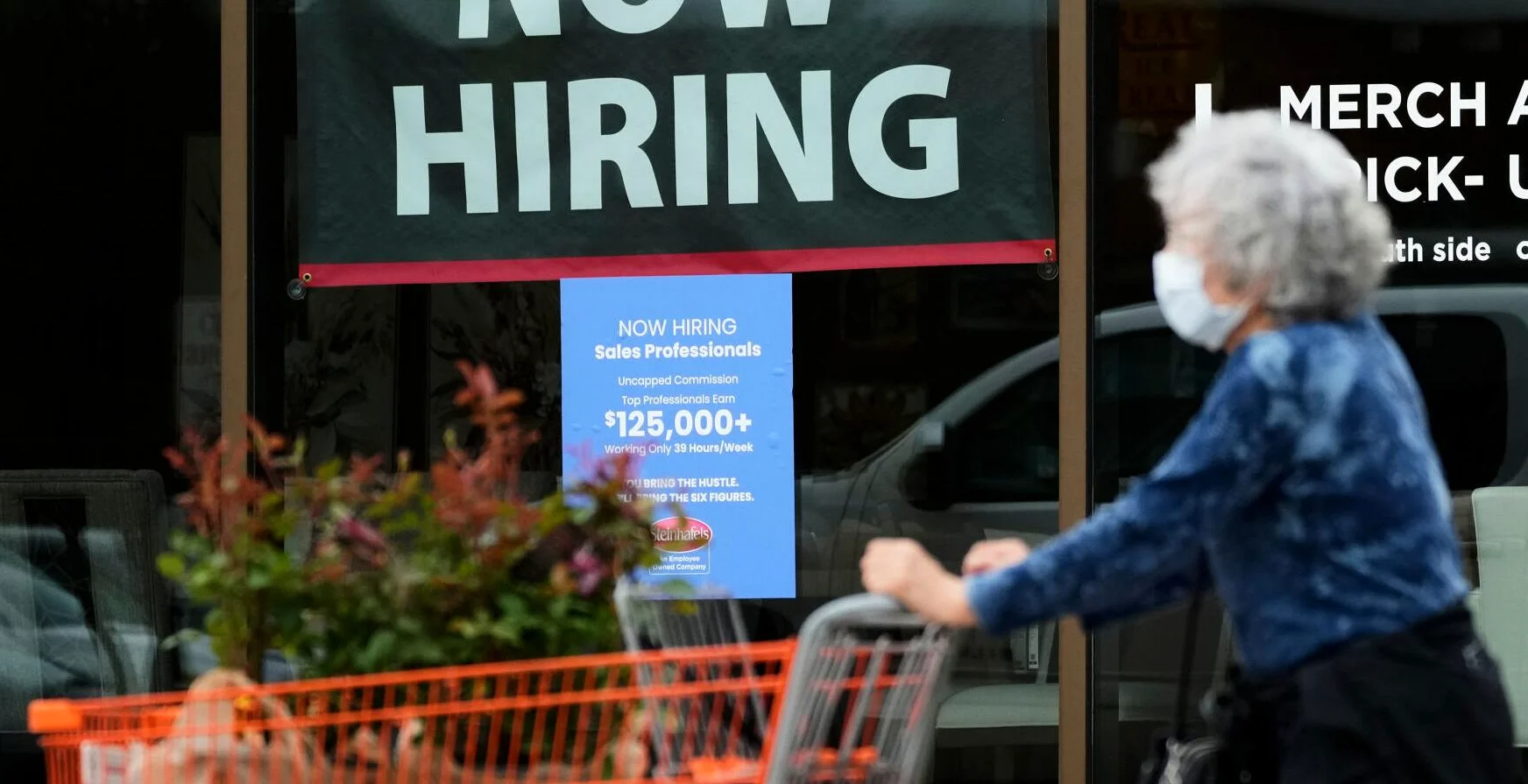
President Donald Trump has spent 20 months promising that America was on the cusp of an economic boom — But Friday’s surprisingly positive jobs report ultimately provoked frustration from Trump, according to reports from the Bozeman Daily Chronicle, News4JAX, and The Seattle Times.
Jobs Growth and Inflation Concerns
The August job numbers might have been a welcome break after months of sluggish hiring and concerns about inflation, and these concerns have been weighing on Trump and his party as the election approaches. However, speaking from the Oval Office, Trump launched into a grievance session about inflation and interest rates, according to the sources.
His anger was directed at the financial markets, the Federal Reserve, and U.S. trade partners; he objected to the commonly accepted notion in economics that the surprise gain of 162,000 jobs in August could contribute to inflationary pressures.
“Success does not cause inflation. Stupidity causes inflation,” Trump vented in the Oval Office, as he declared it “crazy” that the stock markets fell Friday on inflation concerns, according to the reports.
Economic Performance and Election Promises
The combination of a drop-off in hiring and higher prices has dogged Trump and his pledge to instantly unleash historic levels of growth; “When I win the election, we will immediately begin a brand new Trump economic boom,” Trump said at an August 2024 rally in North Carolina. But so far, the economy has grown at roughly 2% annually, slower than the gains during the Biden administration.
Trump blamed his inability to deliver stronger growth on higher interest rates for U.S. government debt, saying on social media that America could retaliate by stopping trade with foreign countries. Rates have been climbing in response to persistently high inflation fueled by Trump’s tariffs and oil shortages from the Iran war.
National Debt and Economic Challenges
The national debt has now crossed the daunting threshold of $40 trillion and rates on the 10-year U.S. Treasury note have increased significantly. This has raised concerns among economists and financial experts about the sustainability of Trump’s economic policies.
Trump has consistently argued that his policies are being undermined by external factors such as the Federal Reserve’s interest rate decisions and international trade practices. However, critics argue that his economic policies have contributed to the current inflationary pressures and rising debt levels.



Comments
No comments yet
Be the first to share your thoughts