

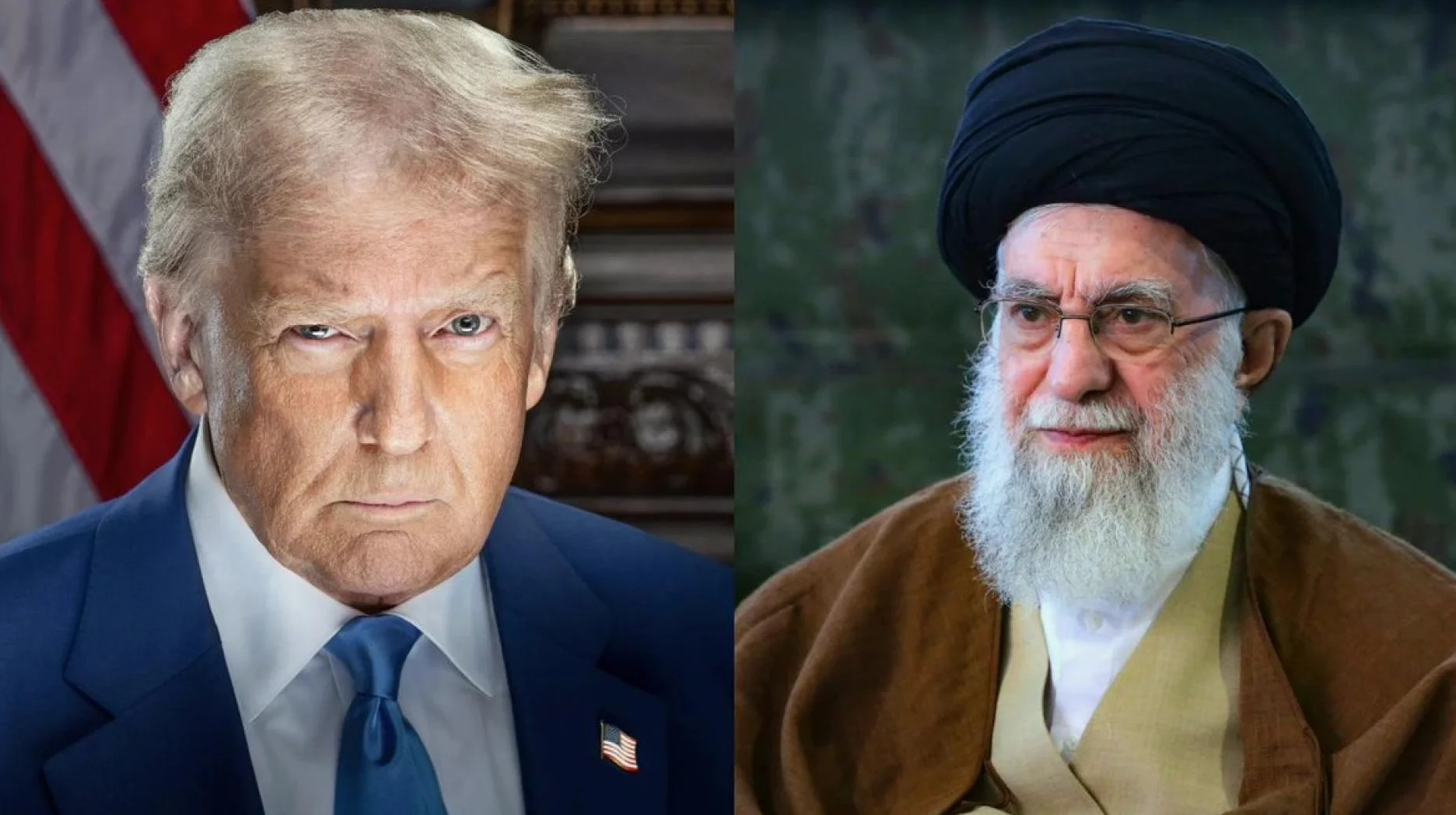
President Donald Trump dangled the prospect of a diplomatic breakthrough with Iran on Tuesday while imposing a tight 10-day deadline for progress or face US military strikes. The comments ratcheted up pressure on Tehran amid volatile swings in global stock and commodity markets driven by the standoff.
Trump’s remarks came as futures markets lurched higher on hints of negotiation and dipped on threats of force. ‘A deal is still being discussed,’ he said, according to people familiar with his statements. Yet he made clear the window is narrow: military options stand ready ‘over the next 10 days’ should diplomacy falter.
US military planners have outlined two paths forward if talks break down, the Wall Street Journal reported. The first calls for precision strikes on key Iranian assets designed to extract concessions without toppling the government. The second envisions a wider operation aimed squarely at regime change.
Iranian leaders appear to be weighing their responses carefully. Officials in Tehran might calculate that enduring limited attacks poses less threat to their hold on power than swift surrender. Such strikes could rally domestic support, demonstrate resolve, and gauge whether American public opinion compels Washington to pull back before demanding major yields like denuclearization.
A limited-strike approach might even stabilize the regime in the long run, analysts say, by avoiding the chaos of all-out war while still bending to US demands on nuclear ambitions.
The regime-change alternative carries steeper risks. It could spark desperate Iranian retaliation against US bases, ships, and allies across the Middle East. Oil flows through the Strait of Hormuz might halt, sending crude prices soaring. Refugee waves and internal Iranian upheaval would follow, complicating the regional picture.
Traders eye potential silver linings. A diplomatic resolution—or post-strike concessions—could trigger sharp moves. Gold and crude oil might drop as safe-haven demand fades. The euro-Swiss franc pair could climb on risk-on sentiment.
Markets also track a separate US legal battle with implications for trade policy. The Supreme Court soon rules on the validity of tariffs imposed under the International Emergency Economic Powers Act, or IEEPA. An adverse decision could saddle the government with $150 billion to $175 billion in refund obligations. Over the next decade, it might forfeit $1.1 trillion to $1.4 trillion in projected revenue.
Bond market volatility has stayed subdued despite the stakes. Macquarie strategists attribute this to the administration’s contingency plans. Officials have signaled they could reimpose duties via alternative laws, slap on import license fees, or fold them into ‘voluntary’ trade pacts like recent deals with Indonesia, Malaysia, Japan, and South Korea.
The Iran impasse has amplified market jitters since early this year. A single Trump tweet or Tehran statement often swings oil futures by 2% or more. Equity indexes follow suit, with defense stocks gaining on escalation talk and airlines tumbling on fuel-cost fears.
Diplomatic channels remain active, though details stay closely held. European allies urge restraint, while Israel presses for a harder line. Saudi Arabia and other Gulf states bolster defenses against possible Iranian reprisals.
For now, the 10-day clock ticks. Tehran faces a stark choice: compromise at the table or test US resolve on the battlefield.




Comments
No comments yet
Be the first to share your thoughts