

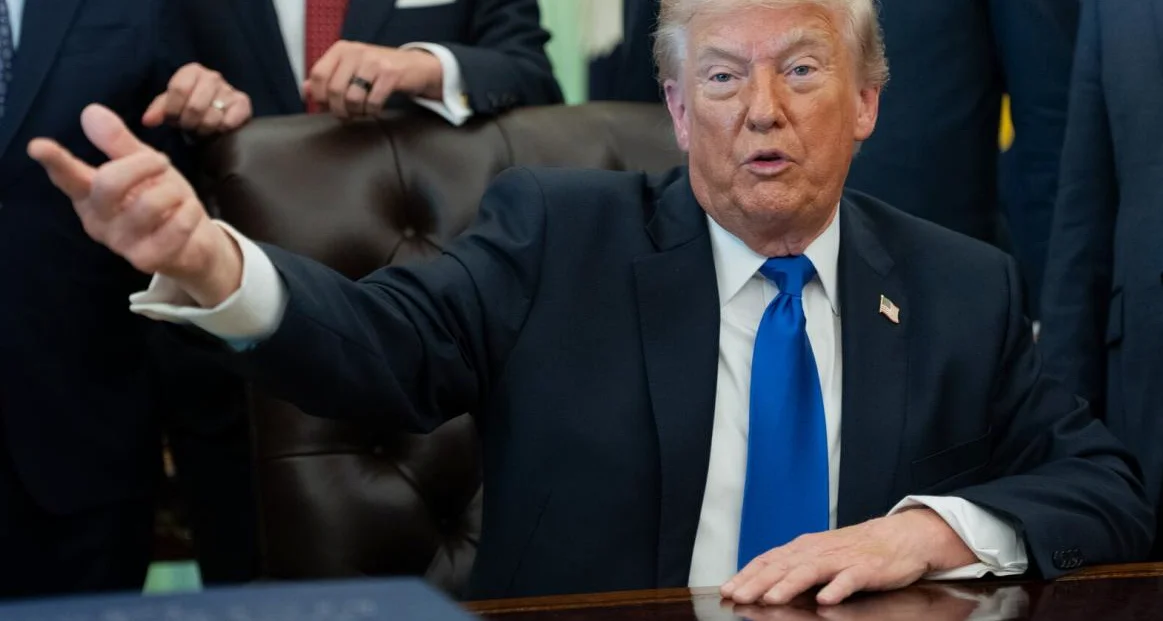
U.S. military action against Iran. Initiated on February 28. Must end by May 1 without congressional approval under the War Powers Resolution, according to DW.com; the War Powers Resolution, enacted in 1973, limits the use of force without congressional authorization to 60 days. President Donald Trump. Who has often bypassed Congress in his second term, faces the need to extend or justify the conflict if a deal with Iran fails to materialize.
Escalation and Strategic Moves
On March 2, Trump informed Congress of the military action within the required 48-hour window, as reported by DW.com. However, he has called the War Powers Resolution itself “totally unconstitutional,” according to CNN. Meanwhile, the U.S. military has announced the withdrawal of 5,000 troops from Germany, a move reportedly linked to criticism from the German chancellor over the war with Iran.
Trump has also suggested considering the use of ground troops in new attack plans, according to Kurier. At the same time, U.S. officials have extended a ceasefire with Lebanon by three weeks, though the Hezbollah group has not confirmed its adherence to the agreement. In Lebanon, more than a dozen people were killed in Israeli strikes in southern Lebanon, according to CNN.
Diplomatic Deadlock
Negotiations between the U.S. and Iran have stalled. Trump has expressed dissatisfaction with Iran’s latest proposal to end the war, and on Friday, he said the U.S. could be “better off” if no deal is reached, according to CNN. Previously scheduled peace talks in Islamabad were canceled by Iran, and a new attempt on Saturday also failed, as reported by Kurier. Iran’s foreign minister submitted his demands to mediators in Pakistan but did not meet directly with U.S. representatives. Trump after that canceled a planned trip to Islamabad by his advisors.
Iran has also issued a warning to the U.S., stating that “if you miscalculate even once, the strait will become a vortex of death,” according to 경향신문. This came as the U.S. announced a reverse-blockade of Hormuz in response to Iran’s blockade of the Strait of Hormuz. The move could escalate the conflict into the Red Sea, with both sides facing the risk of renewed maritime engagements.
Domestic and Regional Reactions
Domestically, Trump has taken a hardline stance, calling it “treasonous” for people to say the U.S. is not “winning” the war, according to CNN. Meanwhile, the price of Brent crude oil has risen to a high of over $126 per barrel, the highest since 2022, according to Kurier, as negotiations remain stalled. U.S. military stockpiles, Trump said, are in “the best condition ever,” according to Frankfurter Rundschau.
In the region, the conflict has widened. Israel has launched military operations into southern Lebanon, and a high-ranking Hezbollah official was reportedly killed in an Israeli attack near Beirut, according to Frankfurter Rundschau. The U.S. has also been involved in a separate diplomatic incident, with a drone attack on the U.S. embassy in Saudi Arabia and a retaliatory threat from Trump.





Comments
No comments yet
Be the first to share your thoughts