

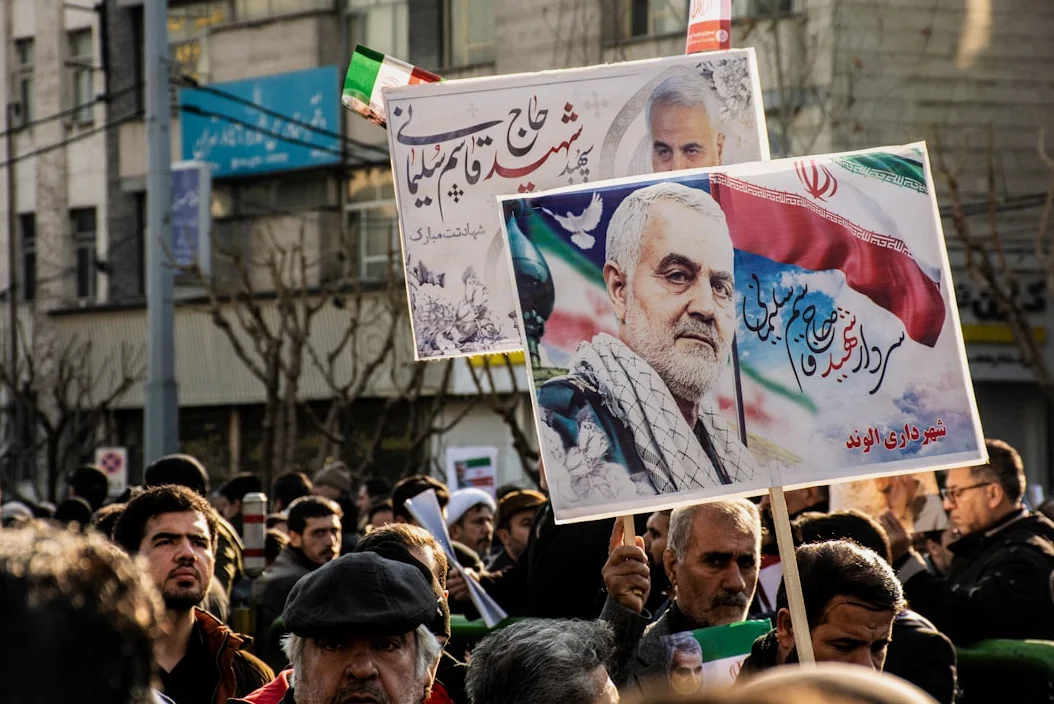
Strategic Significance of Kharg Island
Kharg Island, located in the Persian Gulf, serves as a critical oil export terminal for Iran, processing approximately 1.5 million barrels per day. The island’s strategic position makes it a vital node in Iran’s energy infrastructure, with exports primarily directed to Asia and Europe. According to The Guardian, Trump’s decision to target this location highlights the U.S.’s intent to disrupt Iran’s economic lifeline through precision strikes.
Iran’s response has been swift, with state media reporting that the country has closed the Strait of Hormuz to U.S. and allied naval vessels. This move, as noted by The New York Times, could potentially disrupt 20% of the world’s seaborne oil trade, exacerbating global energy market volatility. The closure comes amid heightened military posturing by both sides, with U.S. warships conducting routine patrols in the region.
Japanese officials told NHK that Tokyo has no immediate plans to escort commercial vessels through the strait, a decision that has raised questions about the effectiveness of international naval cooperation. Meanwhile, Al Jazeera reported that Gulf states have begun coordinating military responses, suggesting a regional alliance forming against U.S. actions.
Regional Reactions and Military Posturing
The New York Times highlighted that Trump’s demand for NATO allies to support U.S. operations in the Strait of Hormuz has met with mixed responses. While some European allies have expressed willingness to contribute, others have emphasized the need for diplomatic solutions. This divergence in approach reflects broader geopolitical tensions within the alliance.
German Foreign Minister Heiko Maas, according to tagesschau.de, stated that Germany sees no immediate need for direct military involvement in the region. This stance contrasts with the U.S. administration’s push for greater international support, revealing a potential rift in Western responses to the crisis.
In South Korea, the situation has taken a different turn. According to 경향신문, U.S. Ambassador to the United Nations, Linda Thomas-Greenfield, confirmed that Trump is not ruling out attacks on oil facilities on Kharg Island. This disclosure has raised concerns among regional partners about the potential for escalation in the Korean Peninsula, though no direct link has been established between the two theaters of conflict.
Humanitarian and Economic Implications
The humanitarian impact of the conflict is becoming increasingly apparent. Al Jazeera reported that Iran has mourned the deaths of Red Crescent staff in Isfahan, highlighting the growing civilian toll of the regional tensions. This incident has drawn international condemnation, with calls for a de-escalation of hostilities to protect non-combatants.
Economically, the disruption of oil exports from Kharg Island could have far-reaching consequences. According to The New York Times, global oil prices have already risen by 7% in the wake of the attacks, with traders fearing further volatility. The International Energy Agency has warned that prolonged conflict could lead to a 20% increase in energy costs worldwide, impacting economies from Germany to Japan.
Meanwhile, the situation has had unexpected ripple effects on other fronts. As reported by 경향신문, South Korean officials have shifted focus to domestic infrastructure projects, with the announcement of a new policy framework for the Gangbuk Cross-Region Subterranean Highway. This move, while seemingly unrelated, reflects the growing emphasis on national security and economic resilience in the face of geopolitical uncertainty.
International Diplomatic Efforts
Diplomatic channels remain open despite the military actions. According to The Guardian, U.S. Secretary of State Mike Pompeo has initiated emergency talks with Gulf state envoys to explore de-escalation options. These discussions come as the U.S. seeks to balance its military commitments with the need to maintain regional stability.
On the other hand, Al Jazeera reported that the European Union is considering expanding its naval mission in the region. This move, however, has been met with skepticism by German officials, who question the practicality of such an expansion given the current geopolitical landscape.
In a separate development, South Korean officials have emphasized the importance of inter-Korean dialogue. As noted by 경향신문, South Korea’s Unification Minister Chung Dong-young has reiterated the need for North Korea to seize the opportunity presented by Trump’s openness to dialogue. This statement highlights the complex interplay of regional conflicts and diplomatic initiatives.
Future Outlook and Potential Escalation
Analysts warn that the situation in the Persian Gulf could spiral into a larger conflict if de-escalation efforts fail. According to The New York Times, military experts have noted that the U.S. and Iran are both prepared for further confrontations, with both sides maintaining significant military assets in the region.
The International Crisis Group has issued a report cautioning that the current crisis could lead to a broader regional war if not addressed through diplomatic channels. This warning is particularly relevant given the recent escalation of hostilities and the lack of a clear resolution strategy.
Looking ahead, the international community is closely watching the developments in the Persian Gulf. The potential for further military action remains high, with the outcome of ongoing diplomatic efforts and the effectiveness of de-escalation measures being critical factors in determining the region’s future stability.


Comments
No comments yet
Be the first to share your thoughts