

Trump’s Directives to NATO on Strait of Hormuz
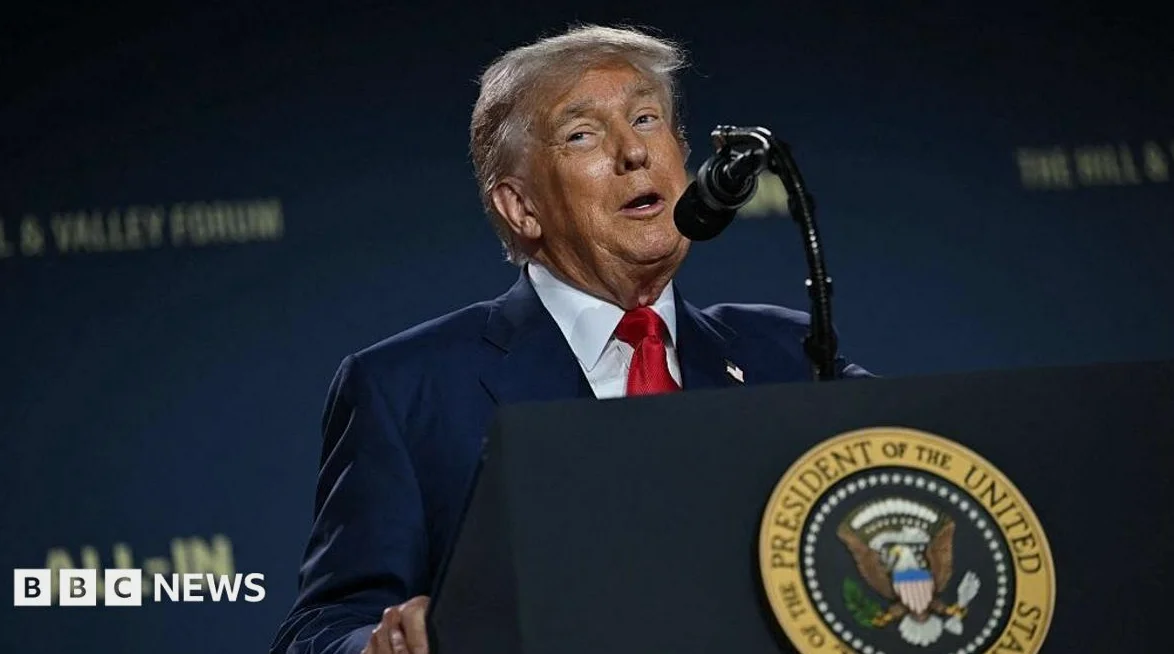
President Donald Trump has issued a clear ultimatum to NATO allies, stating that their non-participation in securing the critical Strait of Hormuz could have severe consequences for the alliance’s future. This warning comes amid escalating tensions in the region, particularly with Iran, where the strategic waterway plays a vital role in global oil shipping. Trump’s comments, reported by BBC and NPR, highlight his administration’s emphasis on collective security measures and the potential repercussions of inaction by NATO members.
The Strait of Hormuz is a crucial chokepoint for global oil trade, with approximately 20% of the world’s oil passing through it. Trump’s assertion that the absence of NATO support could undermine the alliance’s integrity highlights the strategic importance of the region. His remarks have prompted discussions among NATO members about their roles and responsibilities in ensuring the security of this vital waterway.
According to NPR, Trump’s approach to foreign policy has seen a shift, with anti-Muslim rhetoric from the GOP drawing less pushback than in previous eras. This context adds a layer of complexity to the current situation, as it reflects broader political dynamics within the U.S. and its allies.
UK’s Position on Potential Conflict
UK Prime Minister Keir Starmer has indicated that the United Kingdom will not be drawn into a wider war, despite the escalating tensions in the Strait of Hormuz. Starmer’s statements, reported by BBC, emphasize the UK’s commitment to working with allies to develop a strategic plan for securing the waterway without engaging in broader military conflict. This position reflects a cautious approach to the situation, balancing the need for regional stability with the desire to avoid unnecessary escalation.
The UK’s stance is significant given its historical role in NATO and its strategic interests in the Middle East. Starmer’s comments suggest that the UK is seeking a diplomatic solution that aligns with its broader foreign policy goals while respecting the concerns of its allies. This approach may influence other NATO members in their considerations regarding involvement in the region.
As the situation develops, the UK’s commitment to avoiding a wider war could serve as a model for other NATO countries, particularly those with significant economic ties to the Middle East. The UK’s position highlights the complexities of handling international relations in a rapidly changing geopolitical landscape.
Regional Reactions and Implications
Regional reactions to Trump’s statements and the potential involvement of NATO in the Strait of Hormuz are mixed. In Argentina, MDZ Online reports that President Javier Milei has been placed in a precarious position as Trump’s policies push both NATO and China to take action against Iran. This situation highlights the interconnectedness of global politics, where actions in one region can have far-reaching consequences.
Meanwhile, teleSUR notes that the price of oil continues to rise due to the conflict in Iran, indicating that the economic impact of the situation is already being felt. The rising oil prices could have significant implications for global markets, affecting economies worldwide and prompting further discussions on energy security and diversification.
The increasing tensions in the region also have implications for international relations, particularly between the United States and China. As reported by tagesschau.de, there are discussions about resuming commercial dialogue between China and the United States, potentially influenced by the current geopolitical climate. This interplay of interests could shape future diplomatic efforts and economic strategies.
What’s Next for NATO and the Region
The future of NATO’s involvement in the Strait of Hormuz remains uncertain, with the potential for both cooperation and conflict among member states. The UK’s stance on avoiding a wider war may influence other NATO countries, but the extent of their commitment to the region’s security is yet to be determined. As Trump continues to push for collective action, the response from NATO allies will be critical in shaping the next phase of events.
Additionally, the economic ramifications of the rising oil prices and the potential for further conflict in the region will require careful consideration by policymakers. The need for a coordinated approach among NATO members, as well as with other global players such as China, will be essential in addressing the complex challenges ahead.
As the situation unfolds, the international community will be closely watching the developments in the Strait of Hormuz and the responses from NATO members. The balance between security, economic interests, and diplomatic relations will be crucial in determining the future of the region and the alliance’s role in it.
Conclusion
The situation in the Strait of Hormuz, influenced by Trump’s directives to NATO and the rising tensions with Iran, presents a complex web of challenges for international relations. The UK’s cautious approach, regional reactions, and the potential for economic implications all contribute to a complex scenario that requires careful navigation. As the geopolitical landscape continues to evolve, the actions of NATO members and other global players will be key in shaping the future of the region and its stability.




1 Comment