

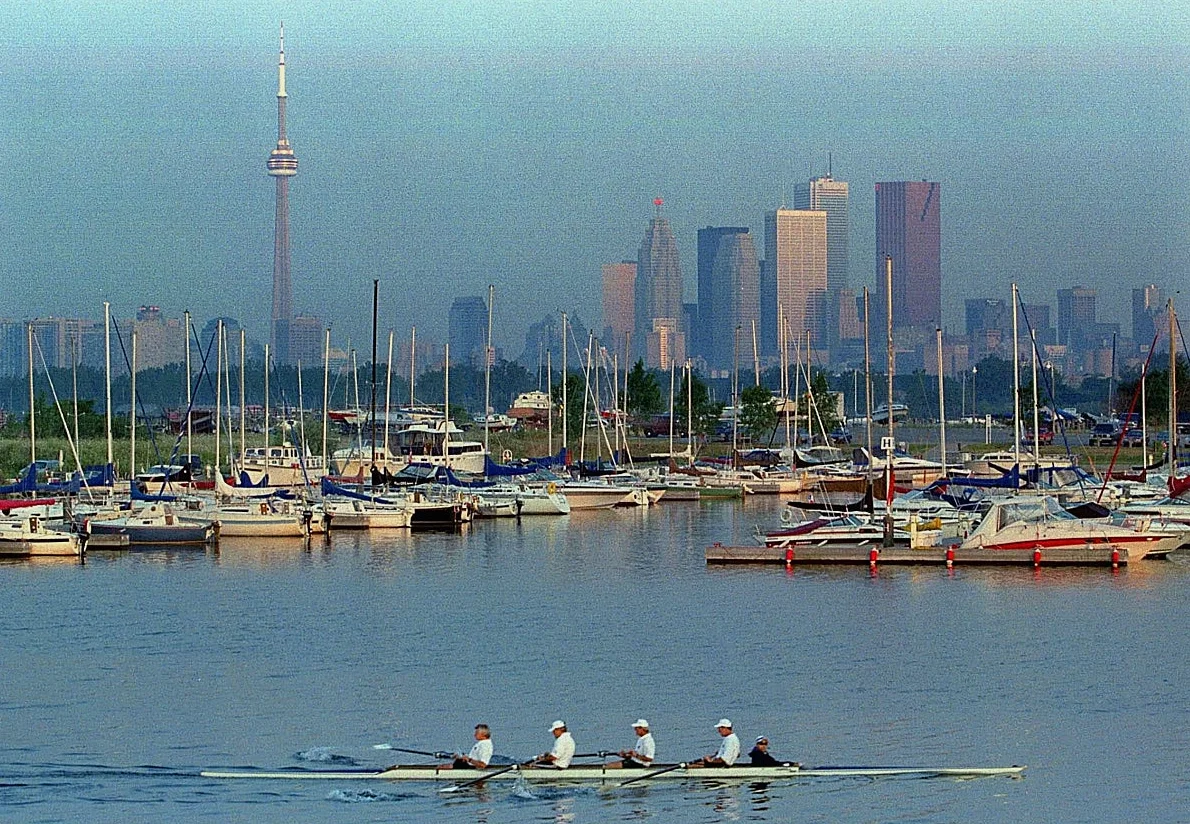
President Donald Trump signed an executive order on Thursday formally renaming Lake Ontario as ‘Lake America,’ a move that has sparked both ridicule and criticism from Canadian officials and U.S. political figures alike. The name change, which took effect immediately, follows Trump’s earlier renaming of the Gulf of Mexico as the ‘Gulf of America,’ a move that led to legal action from Mexico.
Geographic Renaming as Trade Retaliation
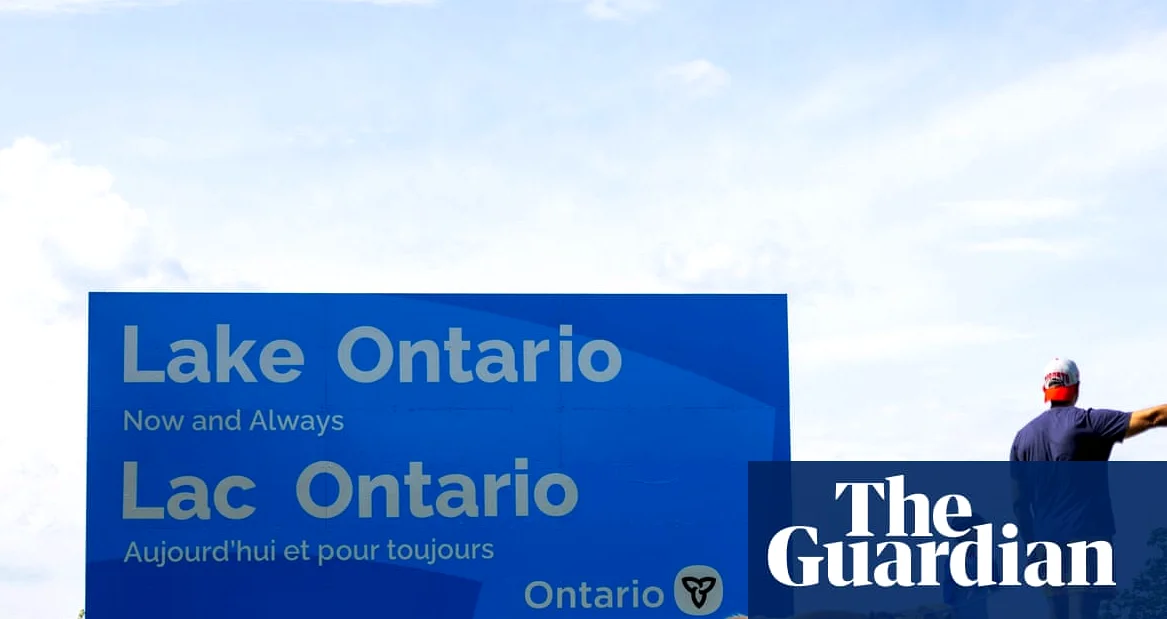
The decision comes amid an escalating trade war between the United States and Canada. Ontario Premier Doug Ford dismissed the renaming as absurd, stating, “It was like something out of ‘Saturday Night Live’ when he signed a document saying ‘change to Lake America.’ No one’s going to call it Lake America. It’s been Lake Ontario for hundreds of years. It’s going to continue to be Lake Ontario.”
Trump, flanked by a map in the Oval Office, defended the move by asserting, “We filed all of the necessary papers, documents, everything else. We’ve notified all of the various people you have to notify.” The president suggested he had been considering the name change “for a long time,” and framed it as part of a broader ‘America First’ strategy.
“If you think about it, we have a gulf, now we have a lake, now all we need is an ocean,” Trump quipped, hinting that the Atlantic and Pacific Oceans could also be renamed. The remarks were met with skepticism from both Canadian and U.S. officials.
Reaction and Skepticism
Canadian Premier Doug Ford emphasized that the name change would have no real-world impact, saying, “He can change it to whatever he wants. It’s not going to change anything for the people of Ontario or Canada.” The Seneca Nation, representing one of the six nations of the Haudenosaunee Confederacy, also called on Trump to rescind the order, highlighting broader concerns about the symbolic implications of the renaming.
U.S. officials, including New York Governor Kathy Hochul, criticized the move as “dumb talk” and “a lot of hot air.” Derek Alderman, a geography professor at the University of Tennessee, told German newspaper FAZ that Trump’s renaming efforts are not just political theatrics but reflect a strategic understanding of the power of place names. “Trump is aware of the power of naming and renaming, and he uses it to assert American dominance,” Alderman said.
Despite Trump’s insistence that no further message is being sent, he continued to criticize Canada, stating, “People oftentimes they’ll ask me who’s the worst to deal with on trade, and I said that’s easy, Canada. They are the worst to trade.” This sentiment aligns with the broader context of 50% U.S. tariffs on Canadian goods that went into effect on Saturday, prompting retaliatory measures from Canada.
Symbolic Gesture or Practical Policy?
While the U.S. government can unilaterally rename geographic features for federal use, such a change does not affect how other countries or international bodies refer to the body of water. Canada and the rest of the world will continue to call it Lake Ontario. The renaming appears to be more symbolic than practical, aimed at asserting U.S. sovereignty and pushing back against what Trump perceives as unfair trade practices.
Trump’s approach to renaming international water bodies reflects a pattern of using symbolic actions to highlight his nationalist agenda. The renaming of the Gulf of Mexico was previously challenged in court by Mexico, and similar legal challenges may arise from this latest move.
Ontario Premier Ford reiterated his stance: “I love the U.S. I love the American people. Canadians love the American people. We differentiate between a great American people and the president.”
As of now, Lake Ontario appears as ‘Lake America’ on Google Maps, according to reports, but the name is not widely accepted or used beyond U.S. federal documents. Whether the renaming will have any lasting impact remains uncertain, but it has added another layer of tension to an already strained U.S.-Canada relationship.



Comments
No comments yet
Be the first to share your thoughts