

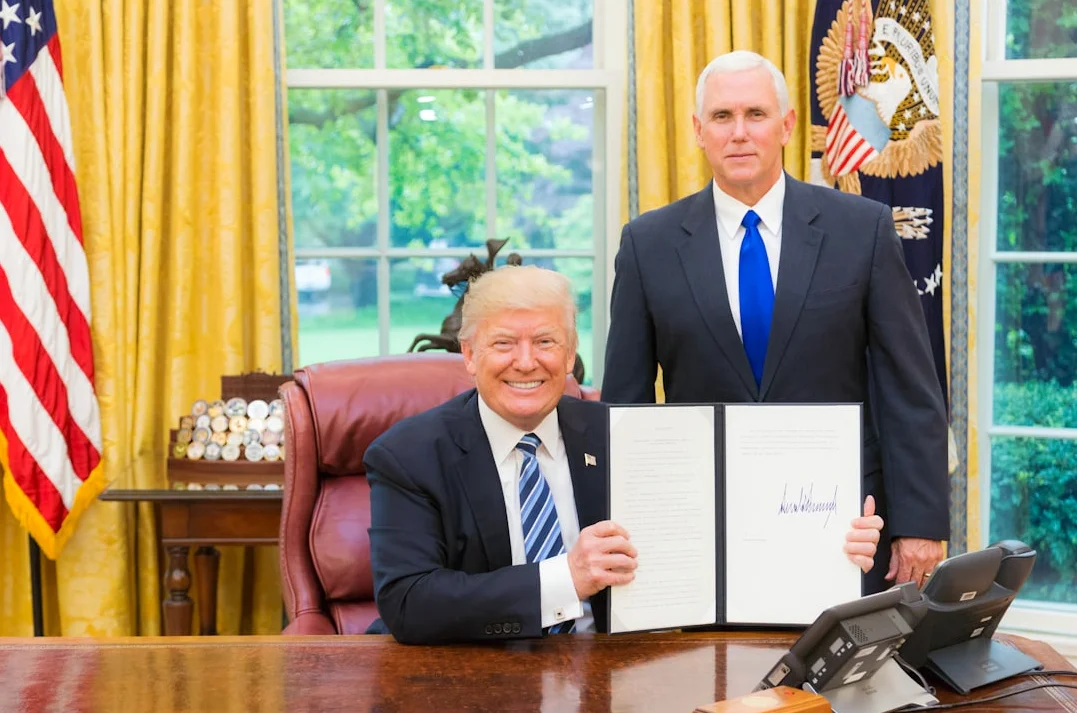
U.S. President Donald Trump said Saturday he is considering a new proposal from Iran to de-escalate tensions, as reports surface of a 14-point plan that includes the withdrawal of U.S. forces and the lifting of sanctions. According to The Guardian. Trump also announced plans to significantly reduce the U.S. troop presence in Germany, escalating a long-standing dispute with Chancellor Friedrich Merz. The White House confirmed that Nick Stewart, a former State Department official, has joined the diplomatic team led by Special Envoy Steve Witkoff to end the conflict with Iran.
Iran’s 14-Point Proposal and U.S. Stance
The latest Iranian proposal. As reported by The Guardian and The Wall Street Journal, includes the withdrawal of U.S. forces from areas surrounding Iran, the reopening of the Strait of Hormuz, the release of frozen assets, and the lifting of economic sanctions. The offer also calls for a new control mechanism for the strait and an end to the war on all fronts, including Lebanon; However, Trump has rejected previous Iranian proposals and stated that Iran must pay a “big enough price” for its actions.
Iran’s deputy foreign minister, Kazem Gharibabadi, said that the ball is in the U.S.’s court to choose between diplomacy and a confrontational approach. “Iran is prepared for both paths,” Gharibabadi said. Meanwhile, the U.S. has made it clear that it will not end the war without a deal that prevents Iran from obtaining a nuclear weapon, a primary objective in Trump’s February military actions.
Troop Reduction in Germany and European Response
Trump said the U.S. troop presence in Germany will be “cut way down,” without providing a detailed explanation. “We’re going to cut way down. And we’re cutting a lot further than 5,000,” Trump told reporters in Florida. The Pentagon had previously announced the drawdown of 5,000 troops, but Trump hinted at an even larger reduction. Germany’s defense minister, Boris Pistorius, said the drawdown was expected and that European nations should take more responsibility for their own defense. He also emphasized that the U.S. troop presence in Germany is in both countries’ interests.
Regional Impact and Shipping Concerns
As tensions persist, a second South Korean tanker rerouted through the Red Sea to avoid the Hormuz strait, according to the South Korean Ministry of Oceans and Fisheries. The vessel, which had loaded crude at Saudi Arabia’s Yanbu port, safely transited the Red Sea as of 10 a.m. Sunday. The ministry provided 24-hour support, including real-time communication and safety updates, to ensure the vessel’s safe passage. This marks the second confirmed instance of Korean tankers using the Red Sea corridor since the Hormuz blockade intensified following the outbreak of war on February 28.
Separately, the U.S. warned shipping companies they could face sanctions for paying Iran to pass safely through the strait of Hormuz, adding pressure to the standoff over control of the region. Reuters and other news organizations have reported over the past week that Tehran is proposing to reopen the strait before nuclear issues are resolved, according to The Guardian.
Trump has also suggested new military action against Iran is on the table, stating, “If they misbehave, if they do something bad, but right now, we’ll see. But it’s a possibility that could happen, certainly.” The Wall Street Journal reported that Trump is weighing an initial, limited strike on Iran as tap into to compel Tehran to accept U.S. conditions in nuclear talks.






Comments
No comments yet
Be the first to share your thoughts