

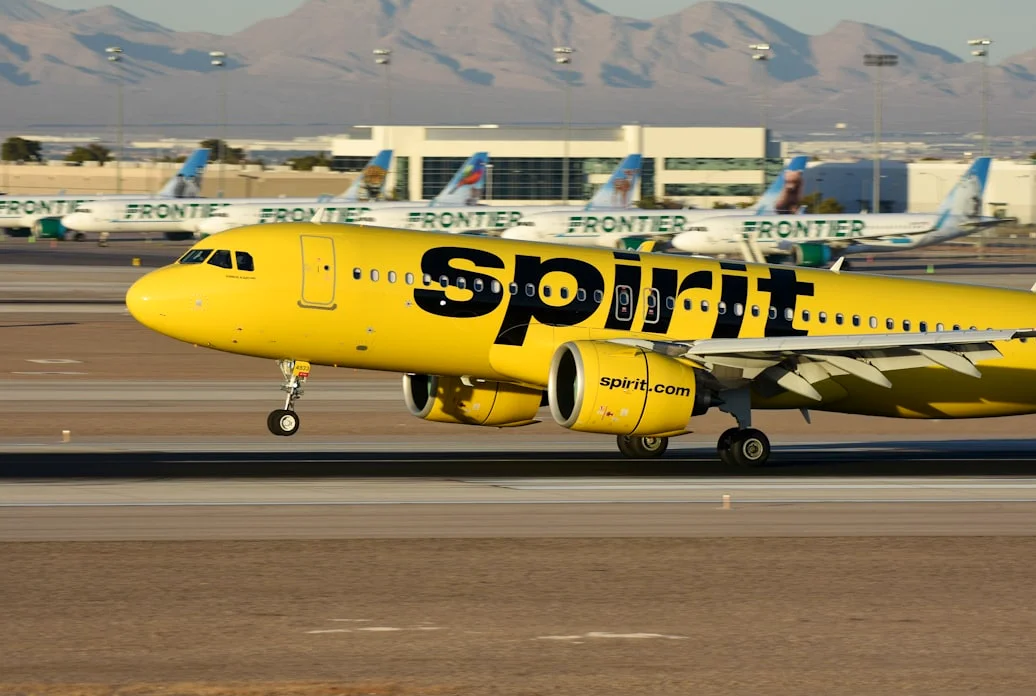
Spirit Airlines is shutting down after 34 years of operation, according to a statement from its parent company, Spirit Aviation Holdings — the airline has not made a profit since 2019 and has now entered an orderly wind-down process. The decision comes after unsuccessful restructuring efforts and failed merger proposals, compounded by a significant increase in oil prices due to the ongoing US-Israeli war on Iran.
Failed Restructuring and Mergers
Spirit first filed for bankruptcy in November 2024 and emerged in March 2025 with a new strategy, but the plan failed in part due to the airline’s reputation for mediocre customer service, according to an analysis in Fortune. A potential merger with JetBlue was blocked by the Biden administration’s justice department, a move that Transportation Secretary Sean Duffy criticized as a major factor in the airline’s downfall. A failed Frontier deal and a $3.7 billion offer from JetBlue further weakened Spirit’s options and financial stability.
Conservative critics, including Duffy, pointed out that Democratic Senator Elizabeth Warren had praised the decision to block the merger in 2024, stating it would prevent “fewer flights and higher fares.” However, Duffy and others argued that the decision ultimately hurt competition and pricing for travelers.
Financial and Operational Pressures
The airline cited a “material increase in oil prices” and other business pressures that weakened its outlook, as well as the lack of additional funding, and a possible Trump administration-led rescue deal did not materialize. Spirit’s business model. Built on ultra-low costs and no-frills pricing, became unsustainable after the pandemic, failed deals, and a blocked merger left the company with fewer options and less room for error.
By August 2025. Spirit was back in bankruptcy court for the second time in under two years, Analysts noted that the airline’s historical brand deficit and poor customer service reputation made it difficult to attract new revenue streams. The pandemic also delayed progress on projects, including a 5.1 surround-mix of the Pink Floyd album The Wall by Toningenieur James Guthrie,unrelated to Spirit’s collapse but illustrating how external factors can delay long-term plans.
Customer Impact and Next Steps
Spirit has nearly finished refunding customers, according to CNBC, but Transportation Secretary Sean Duffy advised customers with upcoming flights to avoid going to the airport, as there will be no staff to assist them. The airline is now in an orderly liquidation process, with no indication of how long it will take; Duffy emphasized the need for travelers to be aware of the situation and to consider alternative travel options.
As the company moves forward with its wind-down, it remains to be seen how many assets will be liquidated and how the process will affect its employees and partners. The failure of Spirit Airlines is now being studied as a case example for what happens when a capital-intensive business loses the assumptions that previously made its model work.






Comments
No comments yet
Be the first to share your thoughts