

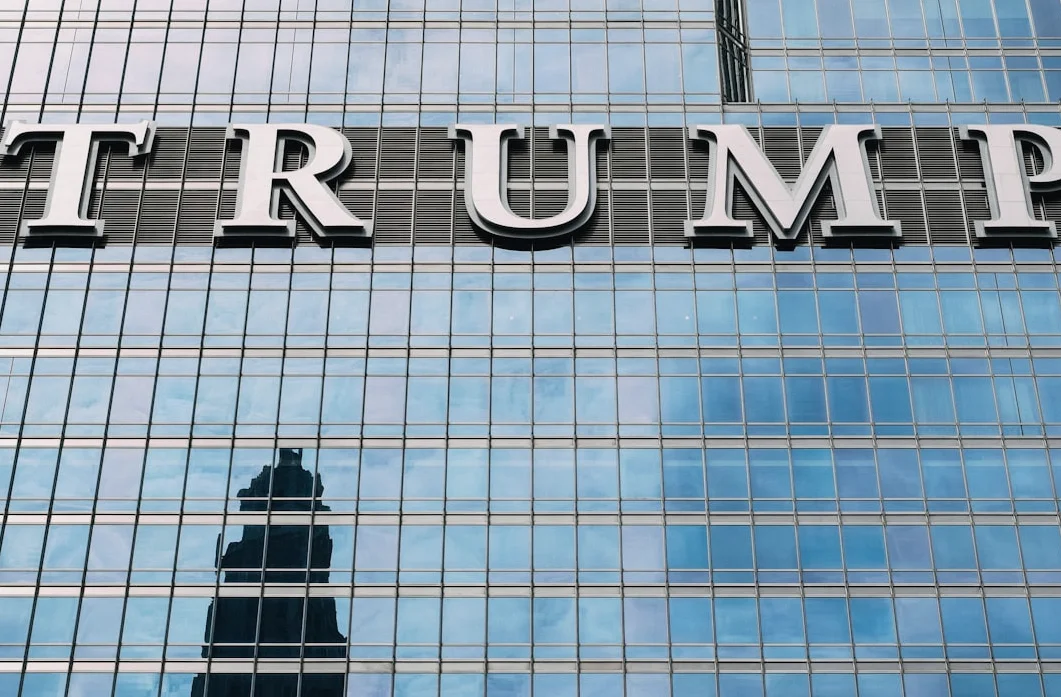
U.S. President Donald Trump has suggested that some federal employees may not receive back pay after the government shutdown, according to EL PAÍS. The partial shutdown of the U.S. government entered its seventh day on Wednesday, with no sign of an agreement between Democrats and Republicans to fund the administration. Trump continued to pressure Senate Democrats and spread damage to political rivals.
Potential Cuts to Federal Employee Pay
Trump indicated that not all furloughed employees are guaranteed retroactive pay when they return to work. “It depends on which ones we’re talking about, but in general we’ll take care of our people,” Trump said during a meeting with reporters in the Oval Office, according to EL PAÍS. He added. “There are some people who don’t deserve to be taken care of; we’ll handle those differently,” a possible reference to the thousands of federal workers he has threatened to fire.
Hours before. Multiple U.S. media outlets published a draft of a White House memo arguing that retroactive pay is not guaranteed this time, despite a 2019 law signed by Trump himself that requires such payments after government shutdowns. That law was enacted following a 34-day shutdown, the longest in U.S. history, according to EL PAÍS.
Financial Proposals and Political Strategy
Separately, Trump has proposed a $2,000 dividend per person for U.S. citizens, excluding those with high incomes, according to Spiegel — the payment would amount to approximately €1,729 and was announced on Trump’s social media platform Truth Social. He described the U.S. economy as being in a strong position due to high tariffs and claimed the country would soon begin paying down its massive debt.
Trump also criticized opponents of tariffs, calling them “NARROWS,” and suggested that the financial move was partly a response to recent Democratic wins in gubernatorial and mayoral races, which prompted some of his own supporters to question his focus on his base, according to Spiegel. Despite his claims of low inflation. The U.S. inflation rate remains at 3.0 percent, with concerns growing over the impact of artificial intelligence on the economy and housing costs in major cities like New York.
Foreign Policy and Domestic Politics
Meanwhile, Trump’s foreign policy rhetoric has drawn responses from Iran. After Trump threatened to strike Iranian civilian infrastructure if the country did not open the Strait of Hormuz, Iran’s Khatam al-Anbiya Central Headquarters warned of a more destructive retaliation if such attacks occurred, according to 경향신문. Specifically, Iran mentioned targeting U.S. tech investments, major bridges in neighboring countries, and petrochemical facilities as part of its response.
According to IDNFinancials.com. Trump’s unpredictable approach has also shifted U.S. focus away from Asia, potentially benefiting China; Bloomberg Economics estimates that a conflict over Taiwan could result in losses exceeding $10 trillion. Trade routes in the South China Sea handle around $4 trillion in global transactions annually, Meanwhile, investors have coined the term TACO,“Trump Always Chickens Out”—to describe Trump’s tendency to backtrack from his threats, according to IDNFinancials.com.
These tensions are a key topic at the Munich Security Conference, where potential conflict in the Middle East is a major concern; Bloomberg Economics projects that oil prices could exceed $100 per barrel if Iran closes the Strait of Hormuz and attacks regional energy infrastructure.





Comments
No comments yet
Be the first to share your thoughts