

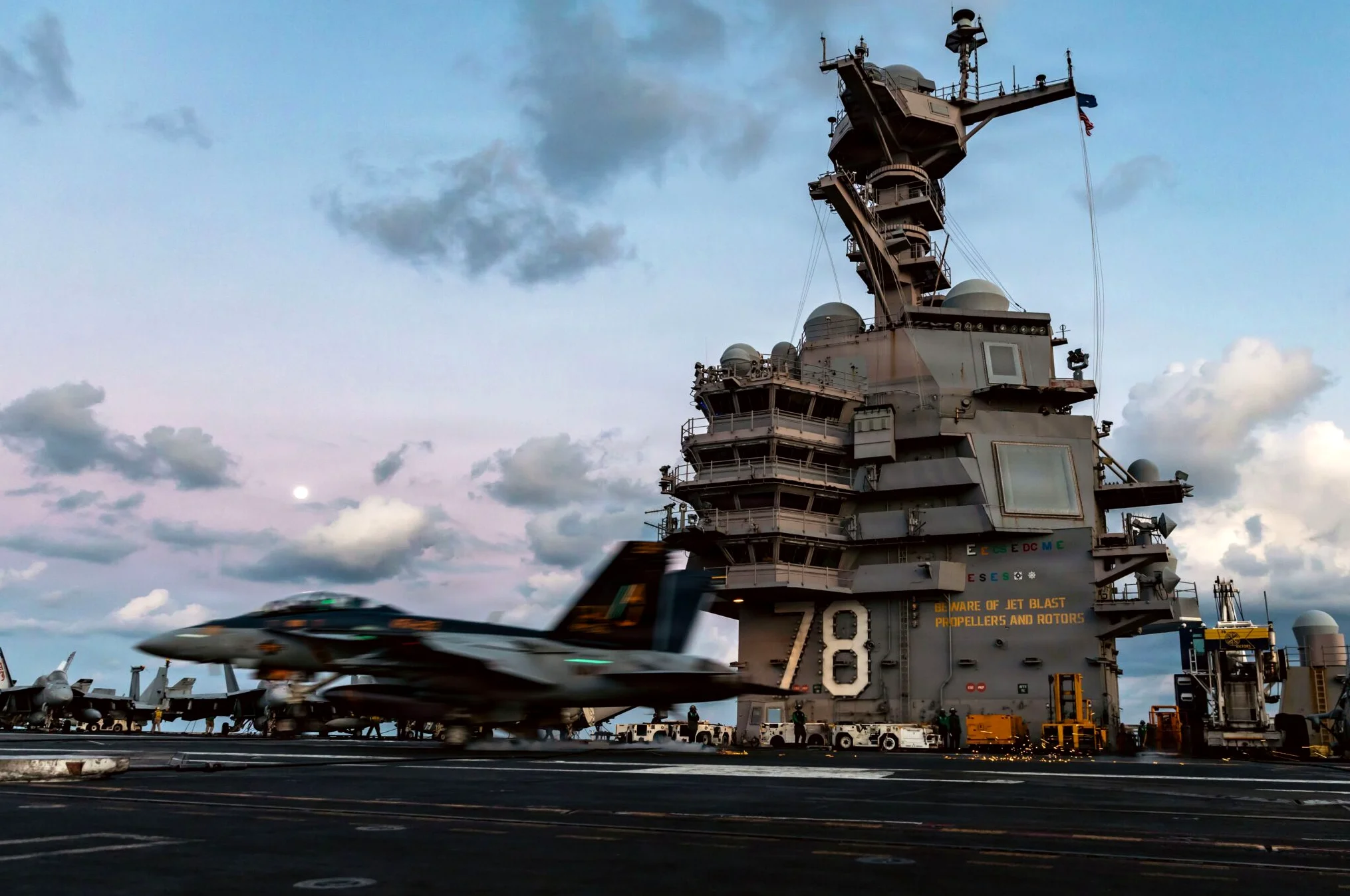
President Donald Trump has hinted that he may soon ask Congress for an additional $200 billion to fund his military operations in Iran, a sum that could prove challenging to secure given the current political climate. The potential request, first reported by the Washington Post and confirmed by multiple news organizations, comes amid ongoing tensions between the U.S. and Iran. Trump did not explicitly reject the figure when asked about it directly, and his comments suggest the administration may need even more funding for other military activities, including potential actions against Cuba.
Legislative Challenges Ahead
Any supplemental funding request from the Trump administration would need to pass through both the House and Senate, where Republicans hold only a narrow majority. In the House, the GOP’s slim lead makes it difficult to secure the necessary votes for such a large emergency spending request. In the Senate, the 60-vote threshold for advancing legislation without bipartisan support means that even if Republicans control the chamber, they would need Democratic support to pass the bill.
Senate Minority Leader Chuck Schumer, D-N.Y., called the proposed $200 billion request “preposterous” during a floor speech shortly after Trump’s remarks. He criticized the figure as “indefensible” and “one of the most wasteful and unthought-out budget requests I have ever heard in my time in the Senate.” Schumer argued that the money could be better spent on lowering healthcare costs, improving education, and investing in infrastructure.
“Even a fraction of that is unacceptable for a war without a plan, without a goal, without the support of the American people,” Schumer said. “Let’s be very clear, if Trump wants $200 billion, that means he believes we might be in a war with Iran for a very, very long time.”
Existing Defense Funding Already Approved
Despite the potential new request, the Trump administration already has significant defense spending approved by Congress. In January, lawmakers approved $838.7 billion for the Department of Defense as part of the annual government funding process. In addition, Republicans passed a $150 billion spending bill in 2025 that included funds for air and missile defense, shipbuilding, and other military programs. This funding was intended to be spread out over the next few years.
According to experts, the existing defense budget may already be sufficient to cover current operations in Iran and other regions. However, the Trump administration has indicated that the military could require additional funding for new operations or to address unforeseen challenges in the region.
“The current defense spending bill was designed to be a multi-year plan, not a short-term fix,” said a defense analyst who requested anonymity. “If the administration is already running into budget shortfalls, that could indicate that the initial estimates for the cost of the war were underestimated.”
What Analysts Say About the Request
Experts have expressed skepticism about the feasibility of securing $200 billion from Congress, particularly given the current political divisions. Many analysts believe that the request would face strong opposition from both Democrats and some Republicans, who may view the war in Iran as an unnecessary escalation.
“This is a very volatile world, and the military equipment, the power of some of this weaponry is unthinkable,” Trump said when asked about the request. “You don’t even want to know about it. Oh, you could end this thing in two seconds if you wanted to. But we are being very judicious.”
Trump’s comments suggest that the administration is carefully weighing its options and may be considering additional military actions beyond Iran. While he did not explicitly mention Cuba, he has spoken repeatedly about the need to “take” the island nation, which could add to the potential costs of the administration’s military strategy.
Analysts warn that the proposed $200 billion request could further strain an already divided Congress and may not be the most effective way to address the challenges in the Middle East. “This is not just about funding a war,” said a senior policy advisor. “It’s about sending a message to both the American people and the world about the administration’s priorities.”
With the potential request still in the early stages, it remains unclear how Congress will respond. However, the political and financial challenges of securing such a large sum may make it difficult for the administration to proceed with its plans.
The White House has not yet formally requested the additional funding, but the administration’s comments suggest that such a request could be made in the coming weeks. If the request is made, it will likely trigger a heated debate in both chambers of Congress, with significant implications for the country’s budget and foreign policy.






Comments
No comments yet
Be the first to share your thoughts