

U.S. President Donald Trump has expressed skepticism about Iran’s proposal to first reopen the Strait of Hormuz and then engage in nuclear talks, according to the Wall Street Journal. The Strait of Hormuz, a critical oil shipping route, has been partially blocked in recent months amid escalating hostilities between the U.S. and Iran. The White House’s doubts about Iran’s sincerity in negotiations have stalled efforts to define a path forward in the war, which entered its second month on March 28.
Trump’s Public Rhetoric and Policy Stance
Trump’s doubts were reflected in recent public statements. In an Easter Sunday post on Truth Social, the president warned, “Open the Fuckin’ Strait, you crazy bastards, or you’ll be living in Hell – JUST WATCH! Praise be to Allah.” His rhetoric has been met with concern from religious leaders, including Pope Leo XIV, who called for peace through dialogue and warned against “tragedy of enormous proportions” from further escalation.
Trump’s position has also influenced prediction markets. The odds of an announcement that the Strait of Hormuz will be reopened by May 31 have dropped, according to market data. The Hormuz announcement market, which traded $95,253 in daily actual USDC volume, showed a 5-point price spike in a 24-hour period, but the overall trend remains downward. The market for diplomatic meetings with Iran is even thinner at $613 in actual USDC traded daily, indicating limited trader confidence in near-term progress.
Vice President Vance’s Diplomatic Efforts Fall Short
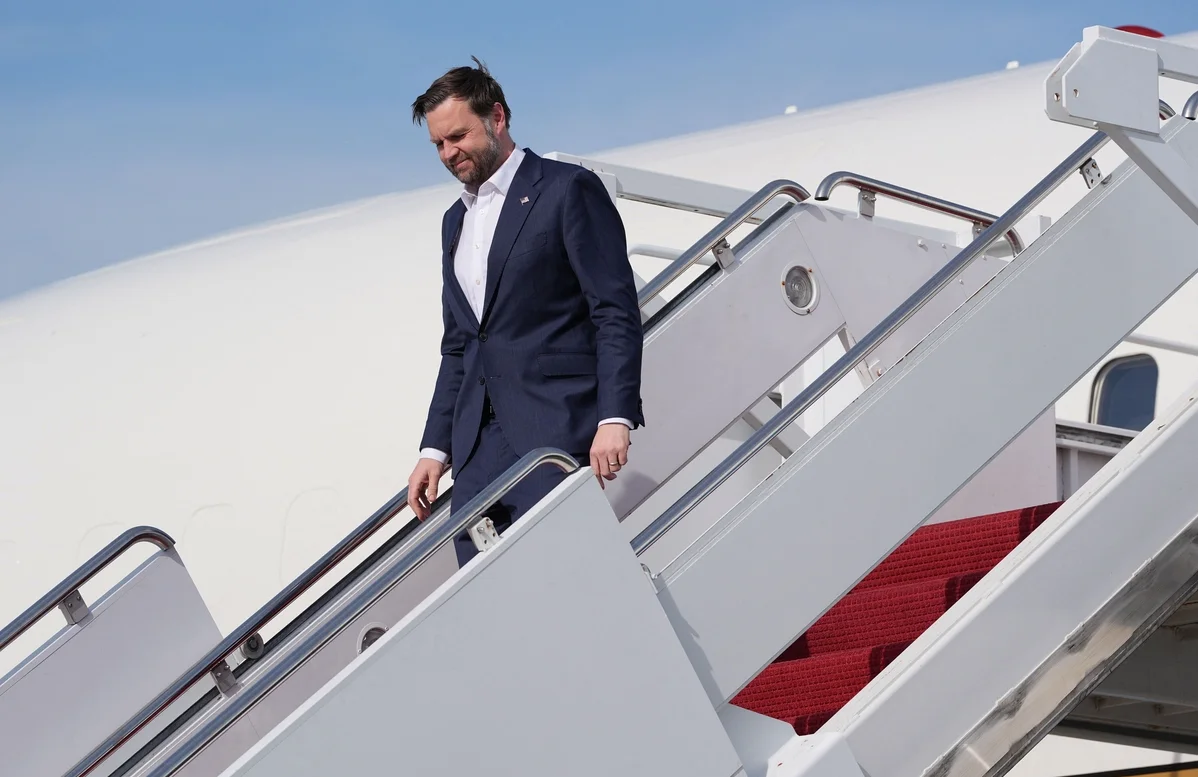
U.S. Vice President J.D. Vance, seen as a key player in Trump’s foreign policy, led the first American delegation into cease-fire talks with Iran in Islamabad, Pakistan. The 21-hour negotiations, held from March 11,12, failed to produce a date for the next round of discussions. According to reports, key issues such as the reopening of the Strait of Hormuz remained unresolved. Vance, 41, joined by Middle East envoy Steve Witkoff and Jared Kushner, faced a significant test in his first major diplomatic assignment, but the talks returned with no concrete agreements.
Trump’s administration has not signaled a willingness to shift from its current stance. During a meeting with national security aides on March 27, Trump reportedly questioned whether Iran would negotiate in good faith and whether it would accept key U.S. demands, according to the Wall Street Journal and the New York Times. Iran’s proposal to end the war first before moving to nuclear talks has not found traction with the White House.
Religious and Diplomatic Calls for Peace
Amid the stalemate, religious leaders have urged restraint and dialogue. Pope Leo XIV, in his Easter address, called on those with the power to wage war to “choose peace—not a peace imposed by force, but through dialogue.” His remarks contrast sharply with Trump’s recent aggressive rhetoric and highlight growing unease within religious communities over the war in the Middle East.
On the diplomatic front, key catalysts to watch include any confirmed meetings between U.S. and Iranian officials, a public statement from the White House indicating progress, or an unexpected Trump announcement. For now, however, the odds of a breakthrough remain low, with both sides seemingly entrenched in their positions. The Strait of Hormuz remains a focal point, with Trump’s skepticism casting a shadow over the prospects for a near-term resolution.






Comments
No comments yet
Be the first to share your thoughts