

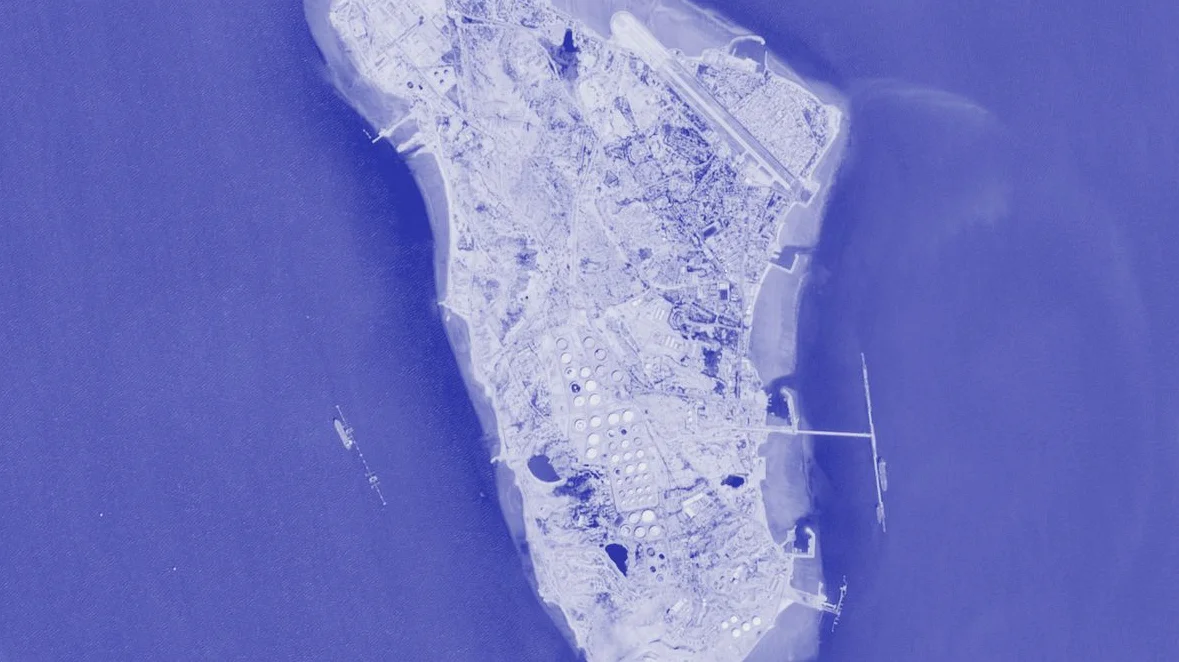
Donald Trump has threatened to strike Iran’s Kharg Island oil terminal again ‘just for fun’ while urging allies to help reopen the Strait of Hormuz as the U.S.-Israel war on Iran enters its third week without a diplomatic resolution. In a Truth Social post on Saturday, Trump named China, France, Japan, South Korea, and the UK, urging them to send warships, writing, ‘this should have always been a team effort, and now it will be.’ Responses from these nations were cautious at best. China has not publicly responded. The UK said it was ‘intensively looking’ at options including autonomous minehunting equipment. Japan warned the hurdle was ‘very high.’ And South Korea said only it would ‘communicate closely’ with the U.S.
Iran’s Response and Diplomatic Stalemate
Iran’s Foreign Minister Abbas Araghchi flatly contradicted Trump’s claim that Iran wanted to make a deal, telling CBS that Iran had ‘never asked for negotiation’ and was ‘ready to defend ourselves as long as it takes.’ Iran’s military also responded to Trump’s threats, warning it would retaliate by destroying energy infrastructure across the region with American ties, turning them ‘into ashes.’
Trump claimed Iran wanted to make a deal but told NBC News ‘the terms aren’t good enough yet.’ This stands in contrast to Iran’s position, which has consistently rejected U.S. overtures for negotiations. The U.S. Energy Secretary Chris Wright and White House economic adviser Kevin Hassett estimated the conflict would take four to six weeks. The situation has escalated tensions in the Gulf, with the Strait of Hormuz being a critical chokepoint for global oil shipments.
European Uncertainty and Naval Missions
EU foreign ministers were set to meet Monday to discuss widening the Aspides naval mission to the Strait of Hormuz. The mission, which aims to protect Red Sea shipping from Houthi attacks, has faced criticism for its effectiveness. Germany’s Foreign Minister Johann Wadephul told public broadcaster ARD he was ‘very sceptical’ it would provide more security in the Hormuz region, given its lack of success in the Red Sea.
The U.S. has long relied on its allies to bolster its military presence in the region, but the current push for a broader coalition has not yet gained traction. The UK’s cautious stance and Japan’s reluctance to increase its military involvement highlight the challenges the U.S. faces in securing international support for a more aggressive approach in the Gulf.
Regional Implications and Economic Concerns
The potential for further escalation in the Gulf has raised concerns about the stability of global oil markets. The Strait of Hormuz is a critical artery for about 20% of the world’s seaborne oil trade, and any disruption could send oil prices soaring. The U.S. and its allies have been working to reassure the market that the flow of oil will remain uninterrupted, but the situation remains volatile.
In addition to the military and diplomatic tensions, the economic impact of prolonged conflict is a growing concern. The U.S. Energy Secretary and White House economic adviser estimated the conflict would take four to six weeks, but the long-term consequences remain uncertain. If the situation continues to escalate, it could have a ripple effect on global markets and economies.
What Analysts Say
Analysts have warned that the current approach to the conflict could lead to further instability in the region. The U.S. has been accused of taking a unilateral approach to the crisis, which has left many of its allies hesitant to commit to a more aggressive stance. The lack of a unified response from the international community has raised questions about the effectiveness of the current strategy.
According to analysts, the situation in the Gulf is a reminder of the delicate balance of power in the region. The U.S. has long been the dominant force in the Middle East, but its influence is increasingly being challenged by other global powers, including China and Russia. The current crisis has highlighted the need for a more coordinated and multilateral approach to regional security.
Forward-Looking Implications
As the situation continues to develop, the next few weeks will be critical in determining the course of the conflict. The U.S. and its allies are expected to continue their efforts to de-escalate the situation, but the possibility of further military action remains a concern. The outcome of the current crisis will have far-reaching implications for global energy markets and the stability of the region.
What’s next for the U.S. and its allies in the Gulf? The U.S. has already begun to ramp up its military presence in the region, and it is likely that this trend will continue in the coming weeks. The EU’s decision to widen the Aspides mission to the Strait of Hormuz could be a significant step in the right direction, but it remains to be seen whether this will be enough to deter further aggression from Iran.
The coming days will be crucial in determining the trajectory of the conflict. With tensions still high and the possibility of further escalation looming, the international community is closely watching the developments in the Gulf. The outcome of the current crisis will have lasting consequences for global energy markets and the stability of the region.



Comments
No comments yet
Be the first to share your thoughts