

 Bloomberg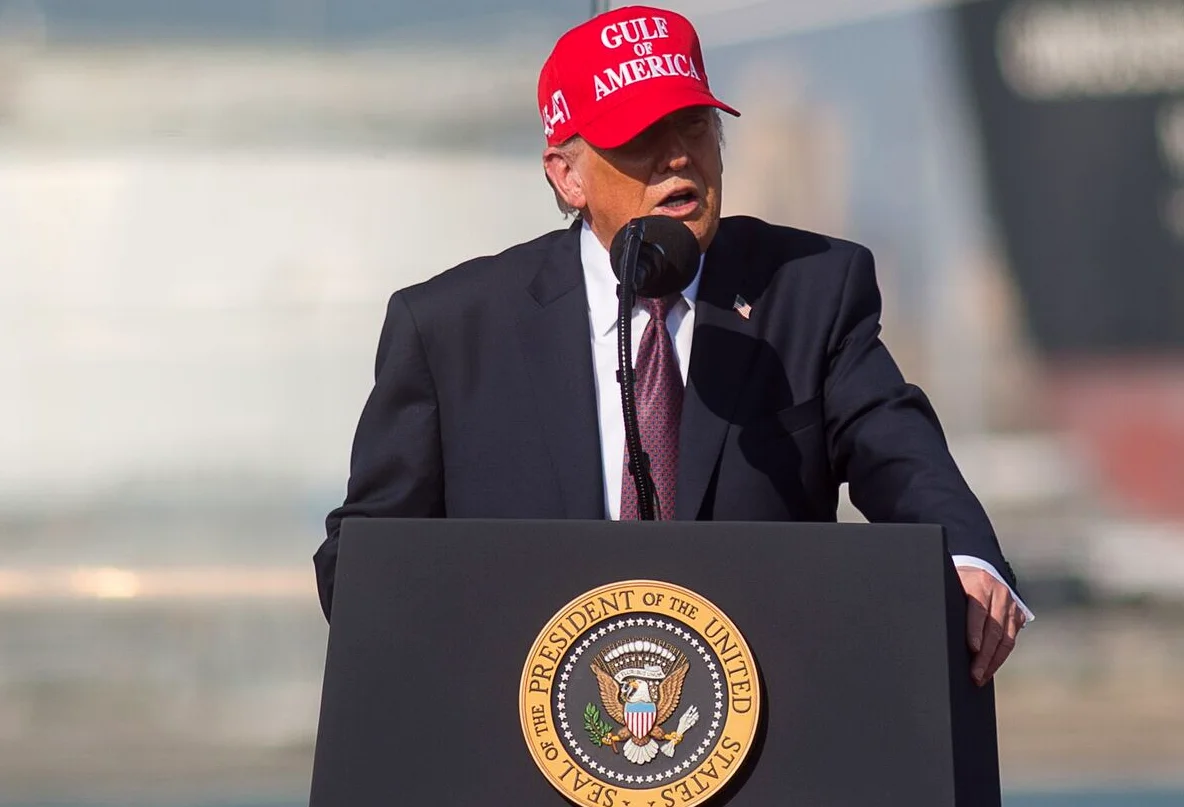
President Donald Trump is set to address the nation on Saturday following a U.S. military strike on Iran, with the situation raising concerns about global energy markets and regional stability. According to reports from the Wall Street Journal and Axios, Trump plans to make his case for the strike in an eight-minute video posted on his Truth Social platform. He urged the Iranian people to rise against their government, calling it ‘yours to take.’
Iran’s Oil Production and Strategic Position
Iran produces about 3.3 million barrels of oil a day, up from less than 2 million barrels a day in 2020, despite continued international sanctions. The country has become more adept at circumventing these restrictions, sending about 90% of its exports to China. The largest oil deposits are in Khuzestan province, including the Ahvaz and Marun fields, and the West Karun cluster.
Iran’s main refinery, built in Abadan in 1912, can process more than 500,000 barrels a day. Other key plants include the Bandar Abbas and Persian Gulf Star refineries, which handle crude and condensate. The capital, Tehran, also has its own refinery.
For overseas shipments, the Kharg Island terminal in the northern Persian Gulf is the main logistical hub. There was an explosion on the island Saturday, according to Iran’s semi-official Mehr news agency, though no details were provided. Kharg Island has numerous loading berths, jetties, and storage capacity for tens of millions of barrels of crude.
Regional Energy Infrastructure and Potential Threats
Iran’s main natural gas fields are located further south along the Persian Gulf coast. Facilities at Assaluyeh and Bandar Abbas process, transport, and ship gas and condensate for domestic use in power generation, heating, and petrochemicals. The area is also a key point for Iran’s condensate exports.
Iran’s supreme leader warned on Feb. 1 of a ‘regional war’ if his country was attacked by the U.S. Tehran has claimed it could close the Strait of Hormuz, a critical shipping lane for about a fifth of the world’s crude exports. A full closure of the strait would be an extreme step, but it would cause massive disruption to global oil markets.
Saudi Arabia and the United Arab Emirates have some ability to reroute their shipments via pipelines that avoid Hormuz, but a closure would still cause a significant disruption. Qatar, the third-largest exporter of liquefied natural gas in the world, also relies on the strait.
There were signs of other Gulf producers accelerating shipments in February. Saudi Arabia’s crude shipments averaged about 7.3 million barrels a day in the first 24 days of the month, the most in almost three years. Combined flows from Iraq, Kuwait, and the United Arab Emirates were set to climb almost 600,000 barrels a day from the same period in January, according to data from Vortexa Ltd.
Market Reactions and Economic Implications
Oil surged the most in more than three years during the June war, with Brent crude rising above $80 a barrel in London. However, the gains quickly faded once it became clear that key regional oil infrastructure hadn’t been damaged. Since then, concerns about an oversupply have dominated global markets, with crude in London ending 2025 about 18% lower than where it started.
Despite those fears of a glut, prices have surged 19% this year, partly due to fears of U.S. strikes on Iran. Prices tend to rise about 4% in response to a 1% reduction in supply, according to an analysis of historical events by Ziad Daoud, chief emerging market economist at Bloomberg Economics.
Tehran would have to weigh any retaliatory attacks on regional energy infrastructure against the likelihood that it would upset Beijing. China is the biggest buyer of Gulf crude and has used its veto power at the UN Security Council to shield Iran from Western-led sanctions or resolutions.
Earlier this month, Iran was rapidly filling tankers at Kharg Island, probably in an effort to get as much crude on the water and move vessels out of harm’s way in case the facility was attacked. It was a move similar to last June ahead of Israeli and U.S. attacks. Any strike on Kharg Island would be a desperate blow for the country’s economy.





Comments
No comments yet
Be the first to share your thoughts