

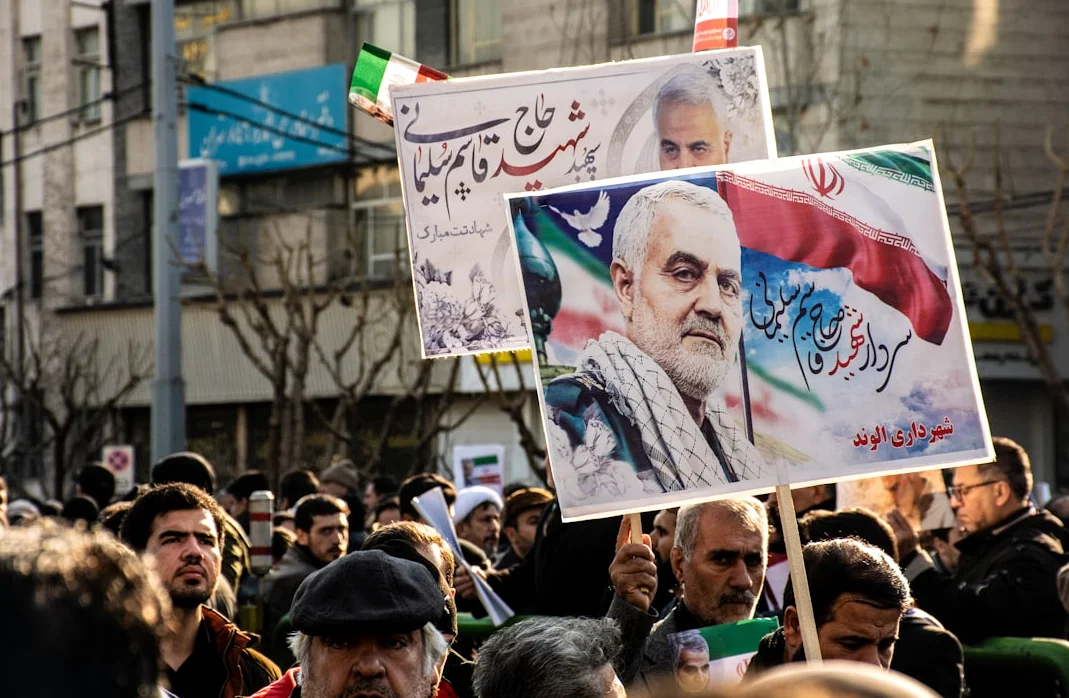
US President Donald Trump has warned Iran that any attempt to disrupt oil supplies through the Strait of Hormuz will be met with ‘twenty times harder’ retaliation, as tensions over the Middle East conflict continue to escalate. During a news conference on Monday, Trump suggested that the war might be short-lived but quickly shifted tone to warn of intensified action if Iran sought to block global oil flow.
Oil Prices and Market Volatility
The remarks sent oil prices and stock markets into a rollercoaster of uncertainty. Earlier in the day, Trump had claimed that the conflict would lead to ‘lower oil prices, oil and gas prices for American families,’ but the volatility of the market has underscored the unpredictability of the situation.
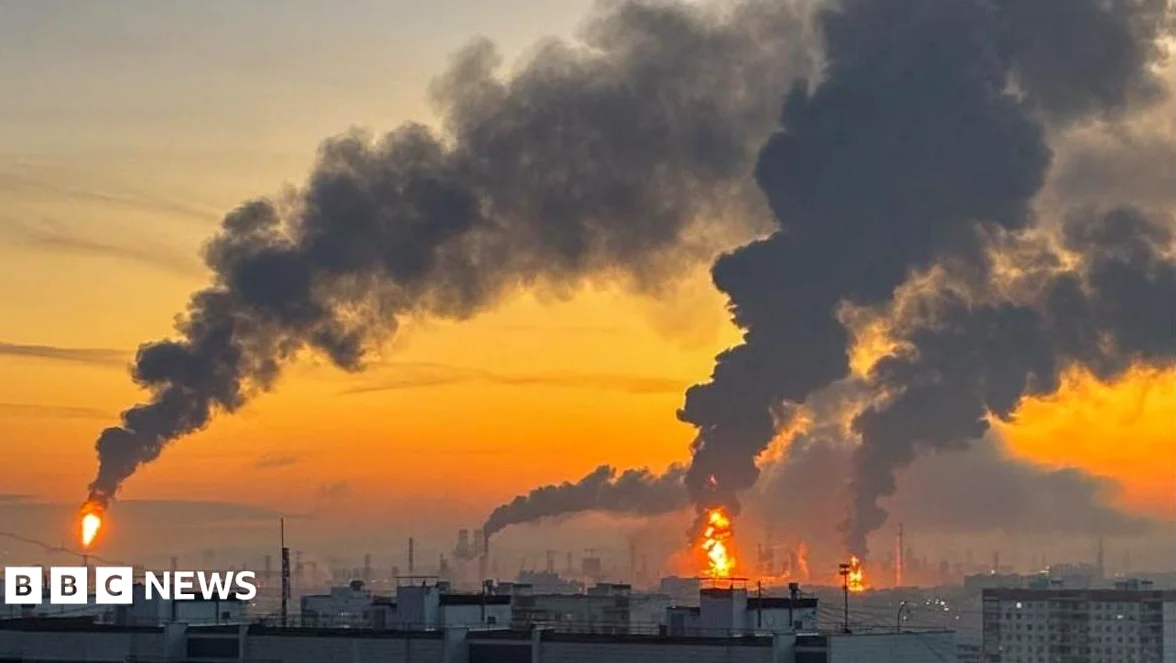
The war has severely disrupted major oil and gas supplies to world markets, causing fuel prices to rise across the US. The conflict has also led to mass displacement, with foreigners fleeing business hubs and millions seeking shelter as bombs hit military bases, government buildings, oil and water installations, hotels, and at least one school.
The selection of hard-line Ayatollah Mojtaba Khamenei to succeed his late father as Iran’s supreme leader sent oil prices surging and markets sliding. Investors interpreted the move as a signal that Iran was preparing to dig in, just 10 days into the war launched by the United States and Israel.
Escalation and Diplomatic Talks
Oil prices later fell and the US stock market closed higher after Trump told a group of politicians at his golf club near Miami that the conflict may end soon. ‘We took a little excursion to the Middle East to get rid of some evil. And, I think you’ll see it’s going to be a short-term excursion,’ he said.
Hours later, Trump posted on social media: ‘If Iran does anything that stops the flow of Oil within the Strait of Hormuz, they will be hit by the United States of America TWENTY TIMES HARDER than they have been hit thus far.’
In an apparent response to Trump’s remarks, a spokesperson for the paramilitary Major Guard, Ali Mohammad Naini, said: ‘Iran will determine when the war ends.’
Trump also had a call on Monday with Russian President Vladimir Putin to discuss the war and other issues. Putin’s foreign affairs adviser Yuri Ushakov said Putin ‘voiced a few ideas regarding a quick political and diplomatic settlement’ of the conflict following his conversations with Gulf leaders and Iranian President Masoud Pezeshkian.
War’s Human Toll and Military Actions
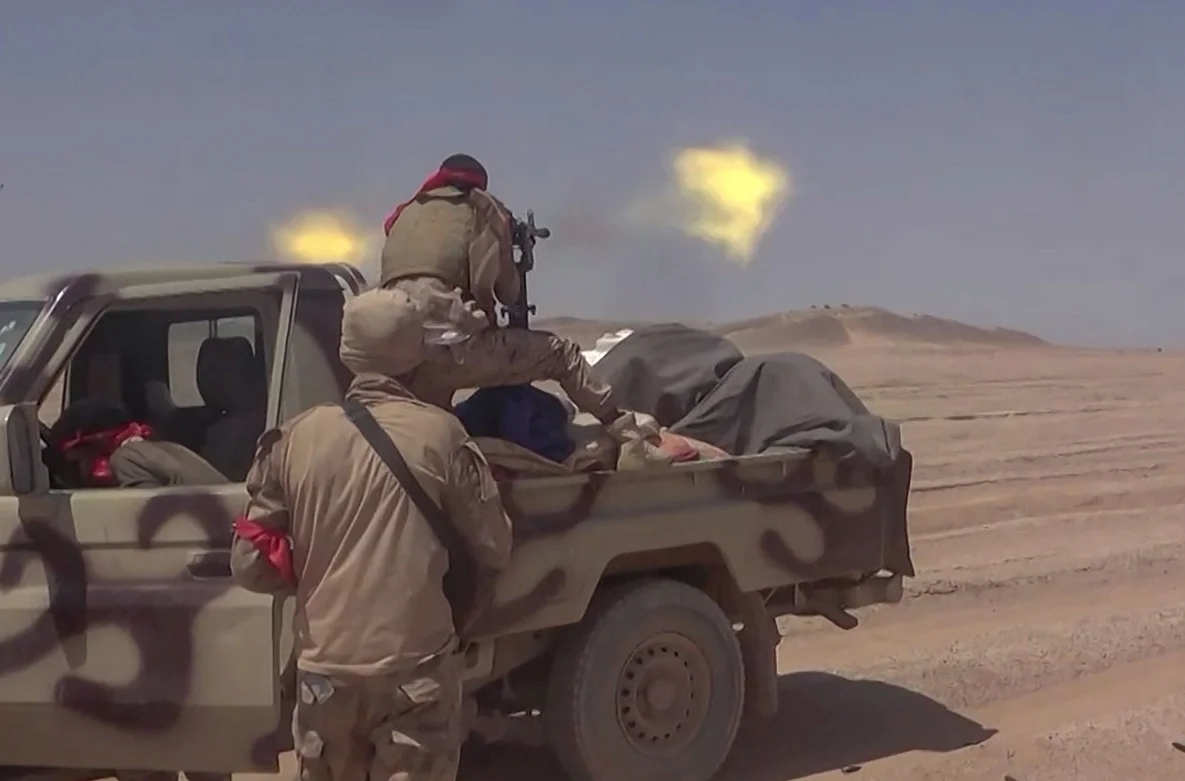
Ayatollah Mojtaba Khamenei, a secretive 56-year-old cleric, is only the third supreme leader in the history of the Islamic Republic. He has close ties to the paramilitary Major Guard, which has been firing missiles and drones at Israel and Gulf Arab states since his father, Ayatollah Ali Khamenei—who had ruled since 1989—was killed during the war’s opening salvo.
More than 20 heavy explosions were heard in Tehran in what was considered the heaviest air raid on the capital since the war started on February 28. Iranian media did not report on damages and casualties.
Israel said on Monday that it was carrying out ‘a wide-scale wave of strikes’ on the Iranian city of Isfahan, as well as Tehran and in southern Iran. The Israeli military said it hit dozens of infrastructure sites, including the drone headquarters of the Major Guard.
Israel’s military said more missiles had been launched from Iran towards Israel late on Monday. Early on Tuesday, the Saudi Defence Ministry said it destroyed drones over the kingdom’s oil-rich eastern region, while in Kuwait, the National Guard said it shot some down in the country’s northern and southern areas.
Trump said the United States was nearing its goal to eliminate Iran’s ballistic missile stockpile and its ability to produce and launch them. The administration has offered shifting rationales and timelines since the start of the conflict.



Comments
No comments yet
Be the first to share your thoughts