

 France 24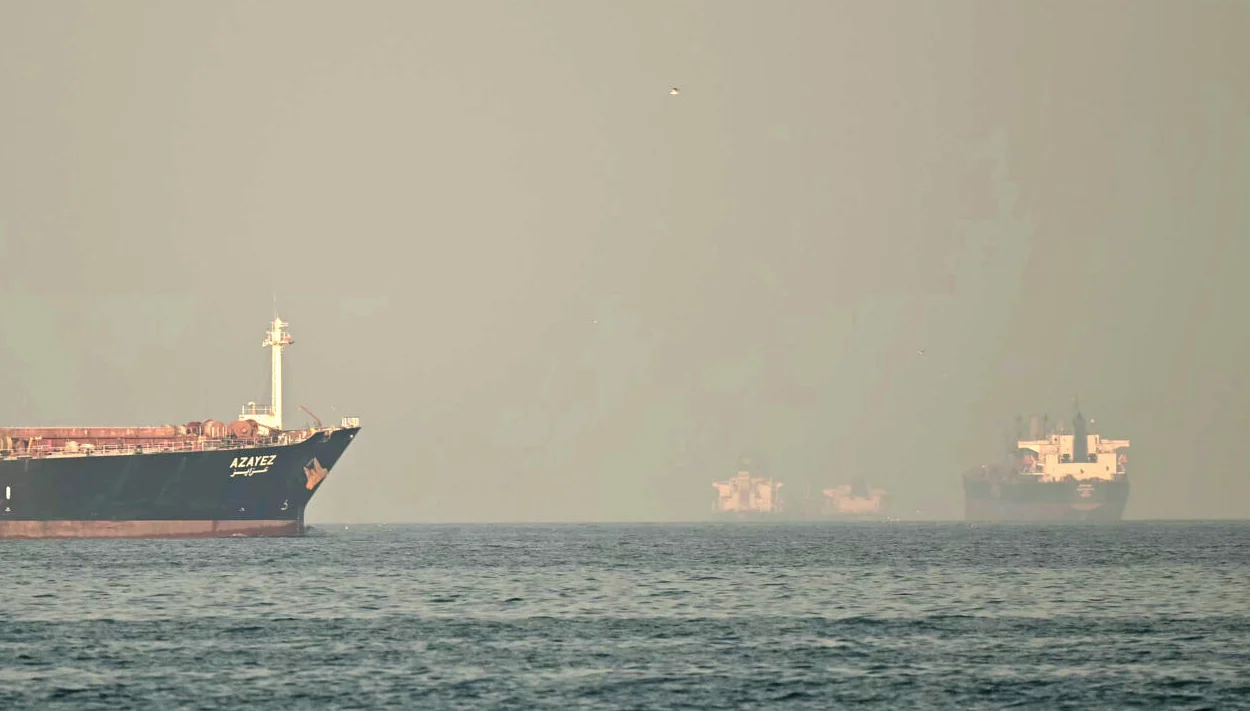
President Donald Trump has warned that the United States will launch “much harder” military strikes against Iran if Tehran blocks oil traffic through the Strait of Hormuz, a critical waterway for global energy supplies. The warning comes as Iran’s Major Guards declared they would not allow “one litre of oil” to leave the Middle East if U.S. and Israeli attacks continue, signaling a potential standoff over control of the strategic shipping lane.
Escalation in Regional Tensions
The latest developments follow a series of military actions and diplomatic maneuvers that have raised fears of a broader conflict in the Middle East. Trump’s remarks on Monday suggested that the U.S. is prepared to take more aggressive measures in response to Iranian threats, even as he admitted that the war against Iran would be a “short-term excursion.” However, he insisted that the U.S. and Israel “haven’t won enough” against Tehran, indicating that further pressure may be applied.
Iran’s Major Guards, a powerful branch of the Iranian military, issued their threat after U.S. and Israeli forces conducted attacks on Iranian targets. The group’s statement, made on Tuesday, indicated a willingness to escalate the conflict by disrupting global oil exports, which could have immediate economic repercussions for countries that rely heavily on Middle Eastern crude.
The Strait of Hormuz is a vital artery for global oil trade, with approximately 20% of the world’s seaborne oil passing through it daily. A disruption in the flow of oil through the strait could send shockwaves through global markets, leading to sharp increases in oil prices and potential economic instability.
Impact on Global Oil Markets
Analysts warn that any attempt to block oil exports through the Strait of Hormuz could lead to a spike in oil prices, with immediate effects on consumers and economies worldwide. According to the International Energy Agency, the strait handles about 17 million barrels of oil per day, and even a partial shutdown could result in price increases of up to 20% within weeks.
Trump’s decision to waive some sanctions on oil, as reported earlier this week, was made in response to market turmoil caused by the U.S.-Israel strikes on Iran. The move came as oil prices surged following the attacks, prompting fears of a potential energy crisis.
“The U.S. is trying to stabilize the markets while still sending a strong signal to Iran,” said one energy analyst, who requested anonymity. “But if Iran follows through on its threats, the global economy could face significant challenges.”
Meanwhile, the International Maritime Organization has issued warnings about the potential for increased maritime risks in the region, urging shipping companies to take precautions as tensions rise.
Humanitarian and Political Dimensions
Amid the military and economic tensions, a separate development has drawn attention: five players from Iran’s women’s football team have sought asylum in Australia, citing fears of persecution at home for not singing the national anthem before a match. The incident highlights the complex social and political environment in Iran, where state control over public expression remains strict.
The Australian government confirmed the asylum requests on Tuesday, stating that the athletes were granted protection due to concerns over their safety if they returned to Iran. The case has sparked discussions about the role of sports in political and social contexts, particularly in countries with strict ideological controls.
While the football team’s situation is separate from the military tensions, it highlights the broader implications of Iran’s policies on its citizens. As the U.S. and Iran continue to exchange threats, the potential for further destabilization in the region remains high.
With the situation in the Strait of Hormuz hanging in the balance, the international community is watching closely. The next few days could determine whether the crisis escalates into a full-scale conflict or if diplomatic efforts can de-escalate the situation.






Comments
No comments yet
Be the first to share your thoughts