

 Bloomberg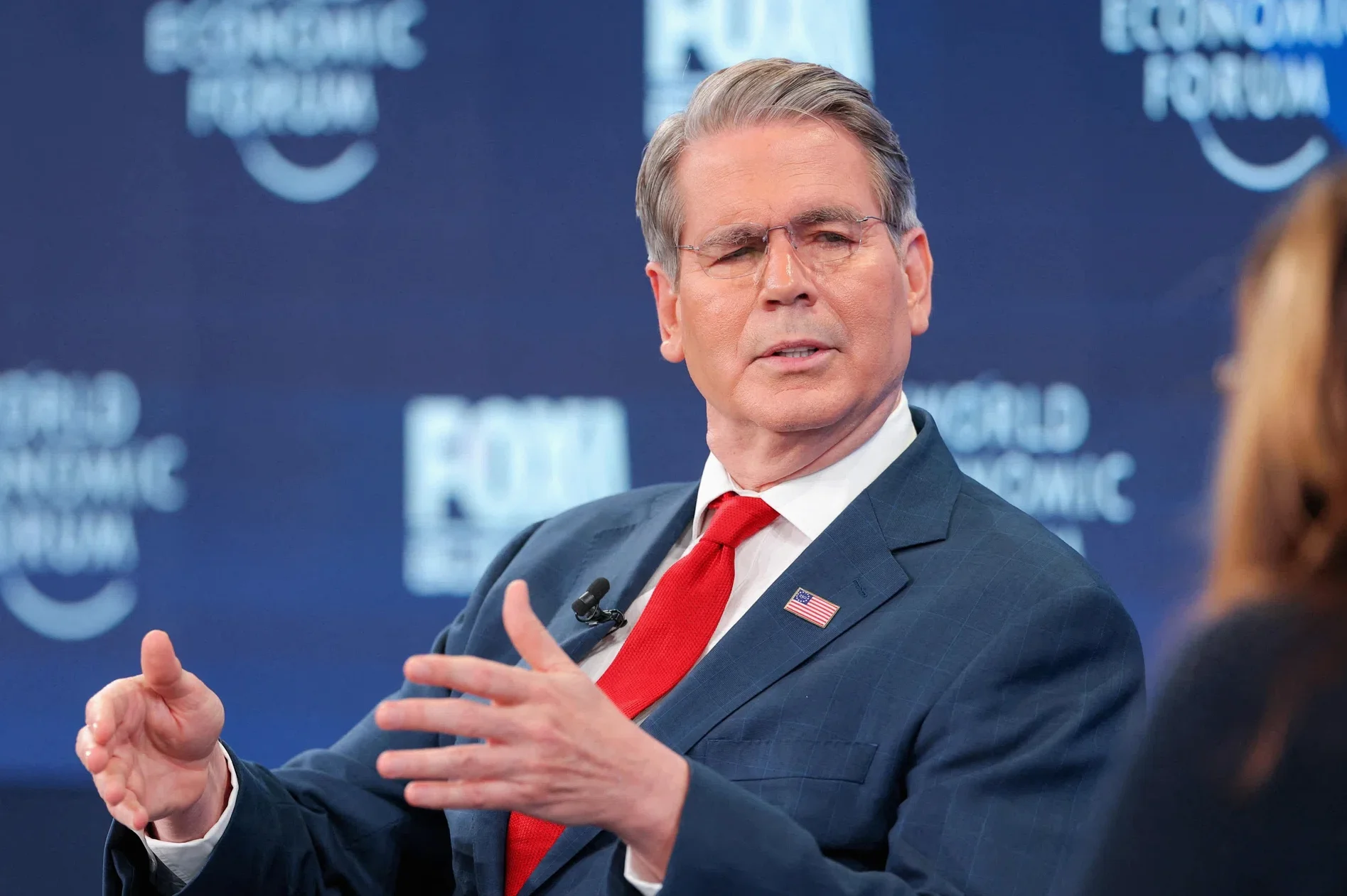
US Treasury Secretary Scott Bessent said President Donald Trump’s plan to increase a 10% universal tariff to 15% is likely to be implemented this week. Speaking on CNBC, Bessent confirmed that the move, which has been under discussion for months, is expected to take effect shortly, according to the latest statements from the administration.
Timeline of Tariff Adjustments
The proposed increase follows a significant shift in US trade policy earlier this year. In June, the Supreme Court ruled that most of President Trump’s previous tariff regime, which targeted a range of imports from China and other countries, was unconstitutional. This decision invalidated the existing tariffs under the International Emergency Economic Powers Act (IEEPA), prompting the administration to seek alternative legal mechanisms to impose trade restrictions.
According to Bessent, the current 10% universal tariff is a temporary measure, valid for 150 days, and is expected to be replaced by a more thorough set of tariffs under Sections 301 and 232 of the US Trade Act. These provisions allow the administration to impose duties based on national security and trade imbalances, and Bessent expressed confidence that the rates would be restored to their previous levels within five months.
“It’s my strong belief that the tariff rates will back to their old rate within five months,” Bessent said. “They are very slow moving, but they are more strong,” he added, referring to the new tariffs.
Market Reaction and Economic Implications
The announcement sent ripples through financial markets. US stock futures erased earlier gains after Bessent’s comments on the higher tariff. As of 7:49 am in New York, contracts on the S&P 500 were down about 0.1% after being up as much as 0.4% earlier in the session. Analysts noted that the uncertainty surrounding the new tariffs has caused some investors to take a more cautious approach, particularly in sectors that rely heavily on imported goods.
“The market is reacting to the uncertainty around the timing and the potential impact of the new tariffs,” said one financial analyst, who requested anonymity. “While the administration has been clear about its intent, the exact implementation and duration of the 15% rate remain unclear to many investors.”
Energy Market Concerns and US Strategic Moves
Bessent also addressed concerns about the potential impact of the ongoing US-Israeli conflict with Iran on the global oil market. He downplayed the risk, stating that there is ample global oil supply and that the administration is prepared to take steps to support the sector.
“I would encourage everyone to look through the noise and see where we are going on the other side of this in terms of the crude markets,” Bessent said. “The crude markets are very well supplied. There are hundreds of millions of barrels on the water away from the Gulf.”
The Treasury chief highlighted the administration’s plans to provide insurance for oil cargo ships and to ensure safe passage for vessels through the Strait of Hormuz via the US Navy. These measures are intended to reassure global markets and maintain the flow of oil despite the geopolitical tensions.
Bessent also pointed to China’s heavy reliance on oil imports from the Persian Gulf, noting that more than 50% of China’s energy needs come from that region. “They’ve probably been buying 95% of the Iranian crude. That’s obviously on hold right now,” he said, indicating that the ongoing conflict could have significant economic repercussions for China.
Trade Relations and Potential Sanctions
When asked about Trump’s recent suggestion of a trade embargo with Spain, Bessent said it would be a combination effort involving multiple agencies. He did not confirm whether such sanctions would be enacted but indicated that the Treasury Department would play a role in any potential measures.
“It would be a combination effort,” Bessent said. “I don’t have a specific comment on whether such a sanction will be enacted.”
The administration’s approach to trade and sanctions is being closely watched by both allies and adversaries. With the new 15% tariffs set to take effect soon, the economic and geopolitical landscape is likely to shift in the coming months, affecting trade flows, market stability, and international relations.





Comments
No comments yet
Be the first to share your thoughts