

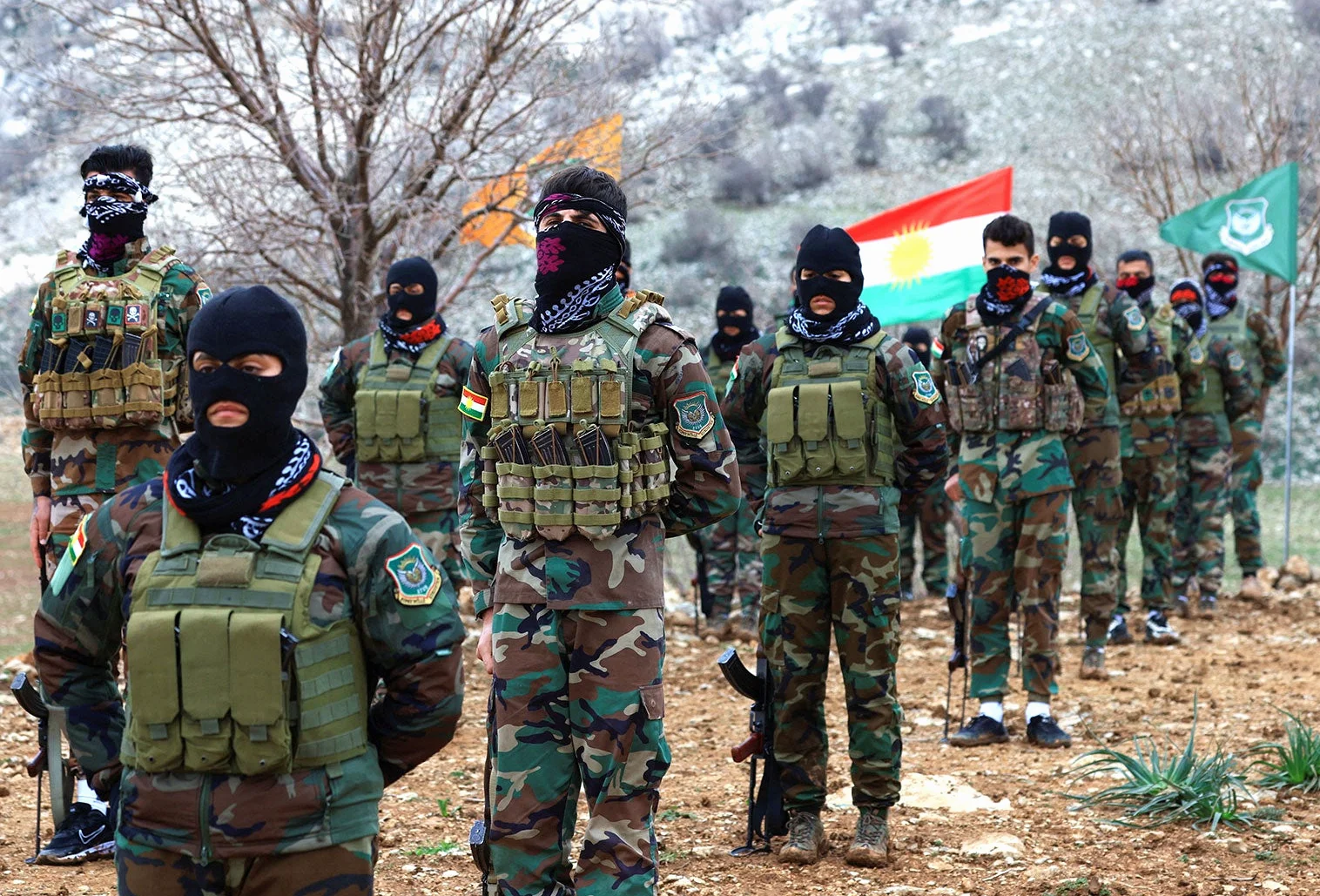
Emerging reports suggest that President Donald Trump and Israeli Prime Minister Benjamin Netanyahu may be encouraging Kurdish militias to spark internal conflict in Iran, potentially fragmenting the country. According to several news accounts, both leaders are actively supporting the Kurds in western Iran and neighboring regions to challenge the Tehran regime, possibly leading to a civil war or significant internal unrest.
Historical Context of Kurdish Aspirations
The Kurds, a people numbering between 25 and 40 million, have long sought an independent homeland. Their aspirations trace back to the aftermath of World War I, when the Sykes-Picot Agreement divided the Ottoman Empire, but left no territory for the Kurds. Today, they are spread across Turkey, Syria, Iraq, and Iran, but have never achieved formal statehood.
Kurds have historically been a formidable force in regional conflicts, including the Gulf War and the fight against ISIS. However, their independence has been repeatedly thwarted by external powers, including the United States. In 2019, Trump’s withdrawal of U.S. troops from Syria left Kurdish forces vulnerable to Turkish attacks, causing widespread chaos and displacement.
Current Developments and U.S.-Israeli Involvement
According to reports, the CIA has been supplying Kurdish militias in Iran with small arms. American and Israeli airstrikes have reportedly targeted Major Guard outposts along Iran’s northwestern borders, likely to reduce resistance and allow Kurdish forces to move more freely. These actions suggest a strategic effort to destabilize the Iranian government from within.
However, the Kurdish population remains wary. Many have been abandoned by Western powers in the past, including after the 1991 Gulf War and Trump’s 2019 withdrawal from Syria. A message from Kurdistan’s X account noted that while the Kurds see the U.S. as allies, they are also aware of past betrayals.
“The Kurds are your friends,” the message stated, “who believe in the same values of freedom, dignity, and the fight against extremism.” Yet it also warned of the risks of relying on external support, citing Trump’s actions as a cautionary example.
Regional Concerns and Escalating Tensions
The potential for Kurdish involvement has raised concerns among regional powers. Turkish President Recep Tayyip Erdoğan has long opposed Kurdish independence, fearing it could inspire similar movements within Turkey. In 2019, Trump’s decision to withdraw U.S. troops from Syria at Erdoğan’s request led to a chaotic situation for Kurdish forces.
Similarly, leaders in Iraq are worried that Kurdish uprisings could destabilize the region further. In response to reports of increased Kurdish activity, Iran fired missiles at Iraqi military bases, drawing Baghdad into the conflict.
Trump has shown little regard for the consequences of his actions. In a recent phone interview with Axios, he remarked, “I have to be involved in the appointment” of a new Iranian leader, comparing it to his involvement in Venezuela. This statement, while naive, could deter potential allies from joining the fight, as it implies Trump sees himself as the ultimate authority in Iran’s future.
Analysts warn that the situation could spiral out of control, with the potential for a broader regional war. Kurdish involvement might not only destabilize Iran but also draw in Turkey and Iraq, each with its own interests and fears.
As the situation unfolds, the question remains whether the Kurds will respond to the calls for action. Given their history of being abandoned by Western powers, many may proceed cautiously, aware that any attempt to reshape Iran could leave them vulnerable to further betrayal.






Comments
No comments yet
Be the first to share your thoughts