

 Al Jazeera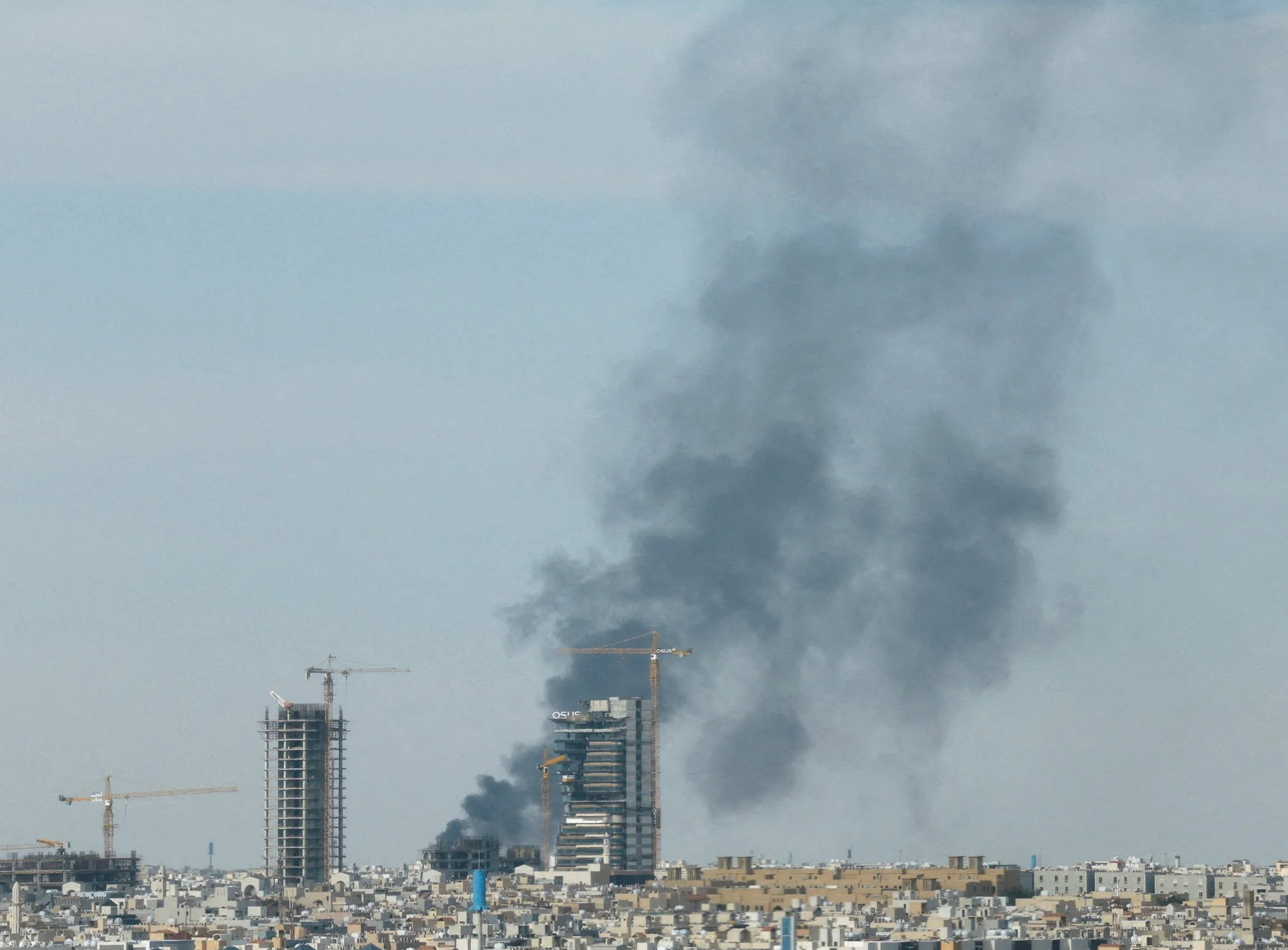
At least two people were killed and 12 injured when a projectile struck a residential building in Saudi Arabia’s Al-Kharj city, according to Saudi civil defense authorities. The attack occurred as Iranian counterattacks on Gulf nations hosting U.S. military assets entered their second week, intensifying regional hostilities.
Attack Details and Casualties
The Saudi civil defense confirmed the incident via a post on X, describing the projectile as an unspecified ‘military projectile’ that hit a residential area in Al-Kharj. The victims were identified as one Indian and one Bangladeshi national. The attack occurred in a neighborhood belonging to a maintenance and cleaning company, according to Al Jazeera correspondent Laura Khan, who reported from Doha.
‘This is getting very volatile and dangerous for people across the Gulf,’ Khan said. ‘It’s really important to emphasize that over 200 nationalities live and work across the Gulf nations. Many of these could be laborers.’
Regional Escalation and Attacks
The incident follows a series of attacks across the Gulf region. On Sunday, Saudi authorities reported intercepting 15 drones, including an attempted attack in Riyadh’s diplomatic quarter. Kuwait reported that an attack hit fuel tanks at its international airport, while Bahrain confirmed damage to a water desalination plant.
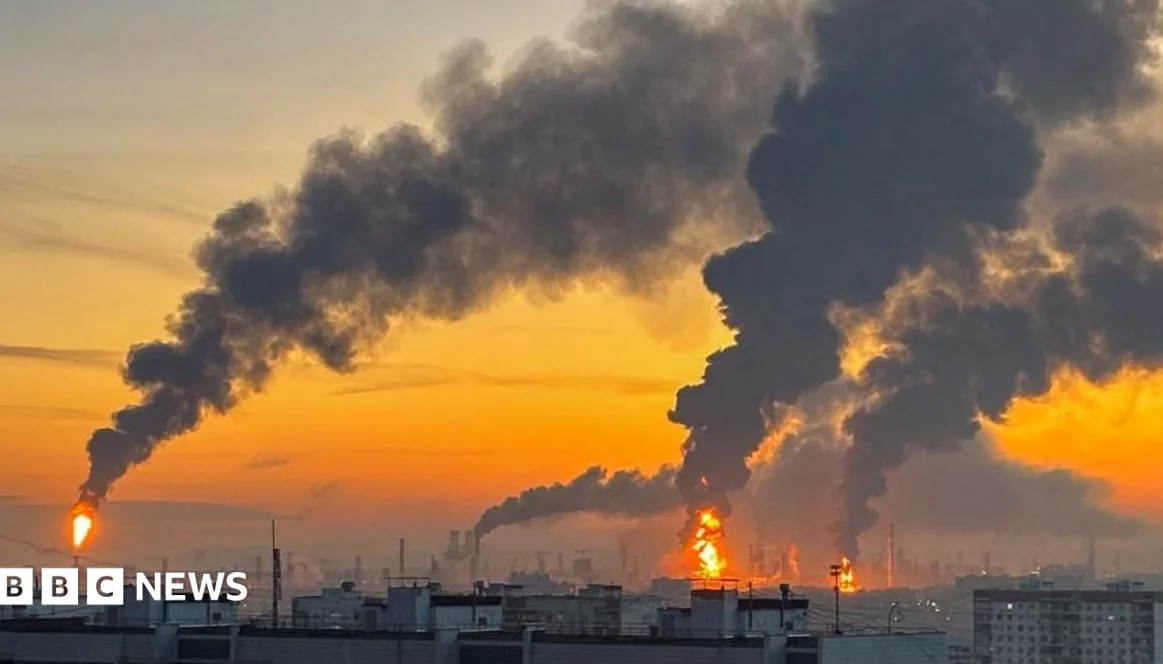
The attacks come after Israeli warplanes struck five oil facilities around the Iranian capital, Tehran, killing several people and causing thick plumes of smoke to rise over the city. According to a state oil executive, the strikes were part of a broader campaign targeting Iran’s energy infrastructure.
An Iranian Major Guard Corps (IRGC) spokesperson warned that Iran would retaliate if U.S.-Israeli attacks on its energy infrastructure continued. ‘If you can tolerate oil at more than $200 per barrel, continue this game,’ the spokesperson said.
Human Toll and Regional Impact
Iran’s Health Ministry reported on Sunday that at least 1,200 civilians had been killed and around 10,000 wounded since the U.S. and Israel launched their war on Iran on February 28. The toll includes both Iranian citizens and foreign nationals working in the region, many of whom are laborers from South Asia and other parts of the world.
Regional tensions have also drawn sharp criticism from Arab League Secretary-General Ahmed Aboul Gheit, who called Iran’s attacks on several member states ‘reckless’ and urged Tehran to reverse what he called a ‘massive strategic mistake.’
The IRGC stated that it has enough supplies to sustain drone and missile attacks across the Middle East for up to six months, indicating that the conflict may escalate further in the coming weeks.
The attack in Al-Kharj highlights the growing risks faced by civilians and expatriate workers in the Gulf, as the war between Iran and the U.S.-backed coalition continues to unfold. The region’s energy infrastructure, critical to global markets, remains under threat, with oil prices fluctuating in response to the ongoing hostilities.
As the conflict enters its ninth day, the international community is closely watching for any signs of de-escalation or a potential diplomatic resolution. The situation remains precarious, with no clear end in sight to the escalating violence.


Comments
No comments yet
Be the first to share your thoughts