

 Reuters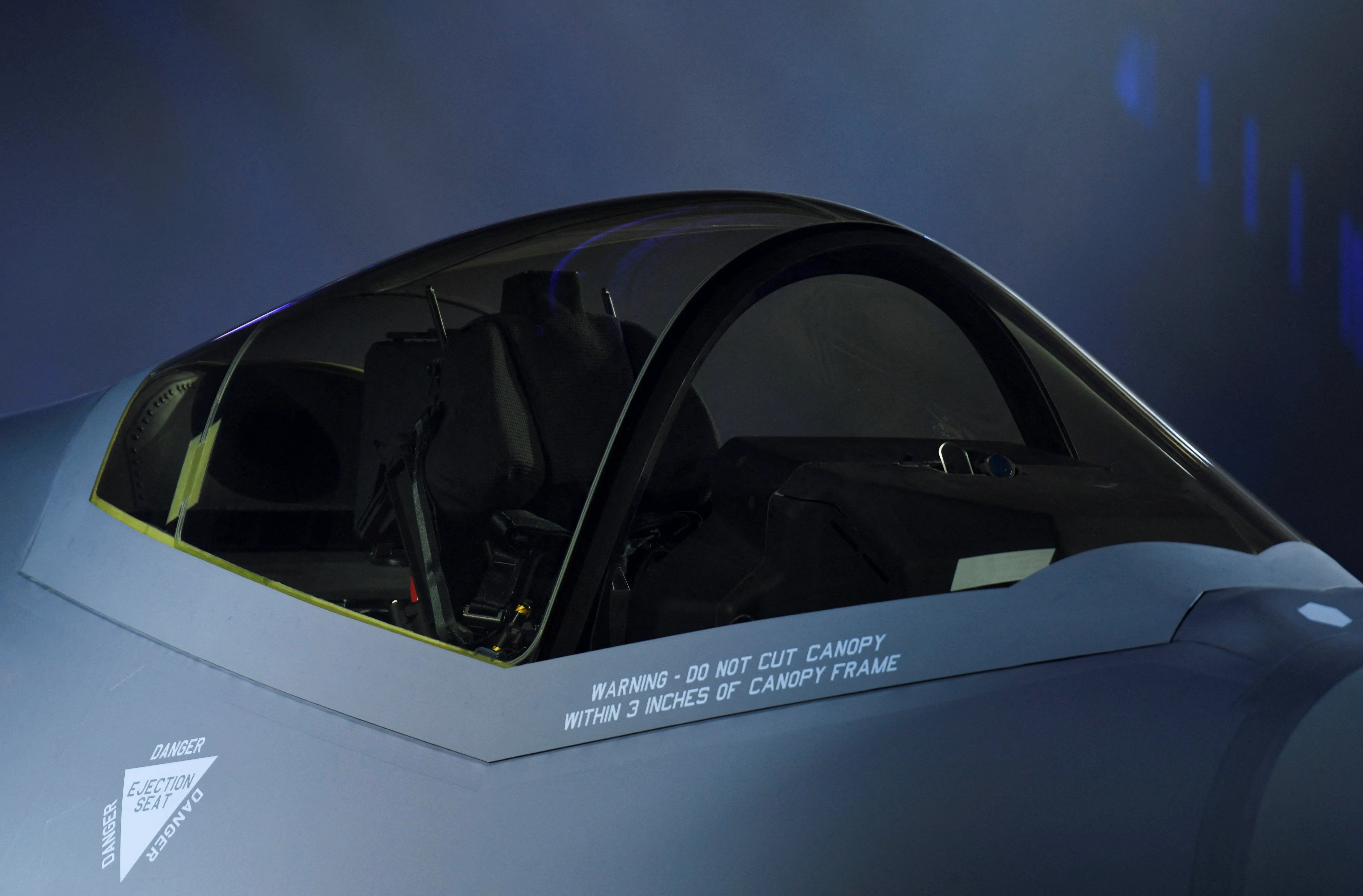
The U.S. ambassador to Portugal, John Arrigo, has urged the government to replace its aging F-16 fighter jets with Lockheed Martin’s F-35 stealth aircraft, arguing that the modern jet would align Portugal with top-tier European air forces.
In an interview with CNN Portugal late Sunday, Arrigo said he aimed to use his business background to help Portugal increase defense spending to meet NATO’s target of 5% of gross domestic product by 2035, up from the current 2%.
“The F-35 is the best fighter—it’s a fifth-generation stealth fighter, and it will get the Portuguese Air Force into the Champions League when it comes to the EU,” Arrigo said, using a sports analogy to highlight the jet’s superiority.
Portugal’s defense minister, Nuno Melo, had previously stated in November that the selection process for the replacement fighters had not yet begun. Arrigo noted that over 900 F-35s were already in service or on order across Europe, with 25% of the aircraft made with European components.
The ambassador also addressed Portugal’s growing economic ties with China, clarifying that the Trump administration was not pressuring Lisbon to choose between the U.S. and China. Instead, the U.S. is promoting “de-risking,” which involves ensuring cybersecurity and investment screening.
Chinese companies have expanded in Portugal since the 2011-14 financial crisis, when lower asset prices attracted foreign investors. Portugal secured an 78 billion euro bailout in 2011 from the EU, IMF, and ECB but had to agree to austerity measures that triggered a deep recession.
Chinese firms now hold significant stakes in key Portuguese industries, including utility company EDP (21.4% owned by China Three Gorges), grid operator REN (25% owned by China State Grid), and financial institutions Millennium BCP (20% by Fosun) and Fidelidade (85% by Fosun).
Arrigo said the U.S. views itself as Portugal’s “best partner” but wants to keep any potential adversaries at a distance. He noted that Portugal joined China’s Belt and Road Initiative in 2018 and suggested that its partnership with the U.S. could flourish if Lisbon were to exit the initiative, as Italy did in 2023.






Comments
No comments yet
Be the first to share your thoughts