

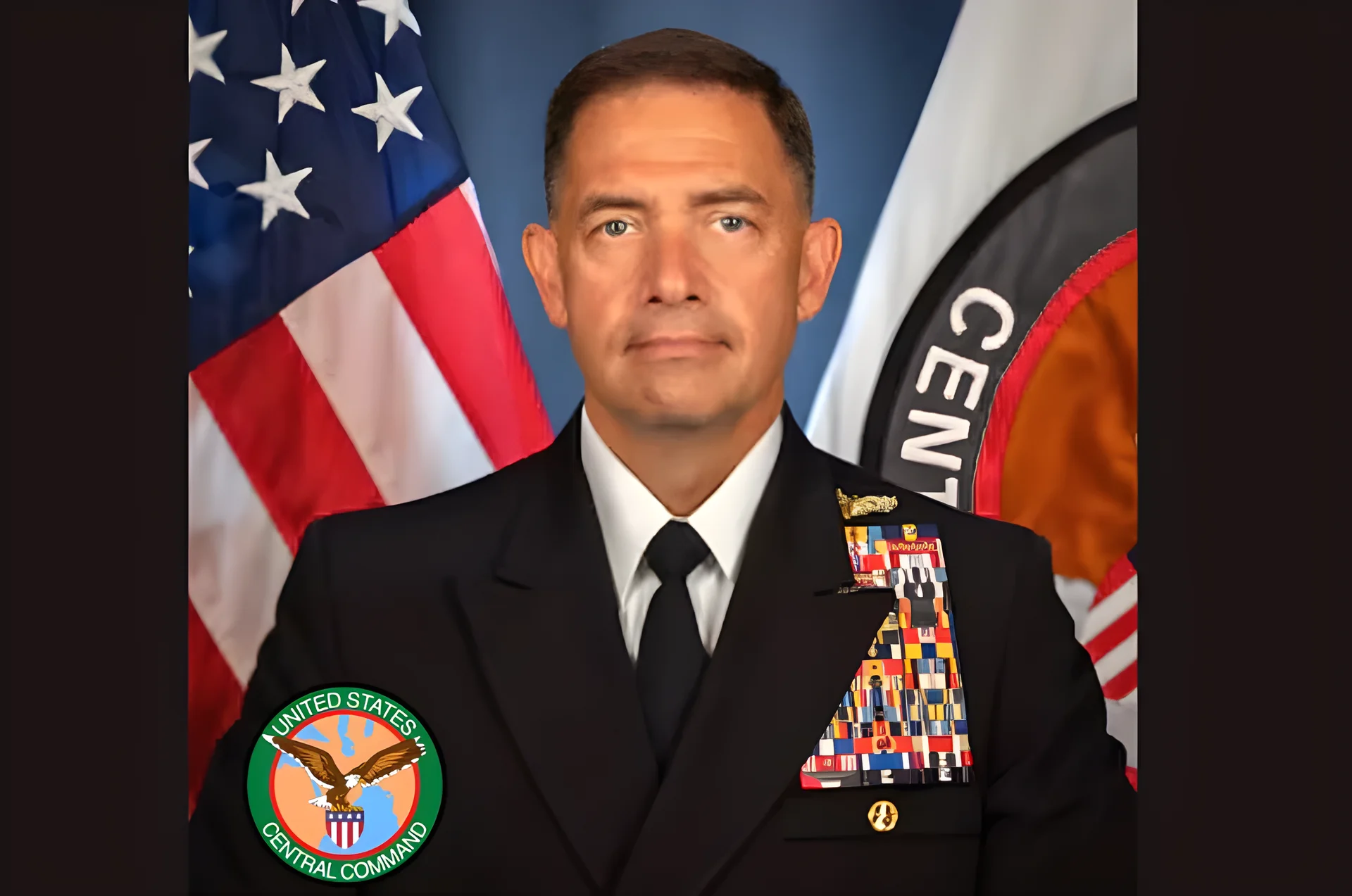
U.S. Central Command (CENTCOM) confirmed on Monday that three U.S. Air Force F-15E Strike Eagles were mistakenly shot down by Kuwaiti air defenses during a chaotic night of combat in the Persian Gulf. The incident, which occurred late Sunday night at approximately 11:03 p.m. ET, highlights the growing risks of misidentification in a conflict zone where air superiority is increasingly contested.
Operational Context and Aftermath
The downing took place during Operation Epic Fury, a joint U.S.-Israeli campaign against Iran that began on February 28, 2026. According to a CENTCOM statement, the three multi-role fighters were operating in support of combat missions when they were targeted by the very partners they were defending.
All six crew members — two per aircraft — successfully ejected and have been recovered in stable condition. Verified social media footage from the Al Jahra area of Kuwait captured the moment one of the $31 million aircraft (estimated base cost) was engulfed in flames, entering a flat spin before crashing near the Mina Al Ahmadi refinery.
Debris from the crash reportedly injured two refinery workers, though the crews landed safely in the desert and were initially assisted by local Kuwaiti citizens. The incident highlights the dangers of the so-called ‘fog of war’ that has enveloped the region as the conflict intensifies.
Regional Tensions and the Fog of War
The downing of the U.S. jets came amid a wave of retaliatory strikes launched by Iran following the death of its supreme leader, Ayatollah Ali Khamenei. Tehran has reportedly launched attacks across Bahrain, Kuwait, Qatar, and the UAE, intensifying the already volatile situation in the Persian Gulf.
According to reports, the U.S. Central Intelligence Agency (CIA) had been tracking Khamenei for several months prior to the attack. The high-stakes environment has led to a breakdown in communication and identification protocols among coalition forces, increasing the risk of ‘friendly fire’ incidents.
Kuwaiti officials have acknowledged the error, citing the ‘indiscriminate and reckless’ nature of the Iranian assault as the primary reason for the high-tension environment that led to the misidentification of the American jets. ‘Kuwait has acknowledged this incident, and we are grateful for the efforts of the Kuwaiti defense forces and their support in this ongoing operation,’ CENTCOM stated.
Operational and Strategic Implications
Despite the loss of the aircraft, the Pentagon expressed gratitude for Kuwait’s search-and-rescue efforts. However, the incident has raised urgent questions about Identification Friend or Foe (IFF) protocols among coalition partners as the conflict enters its most volatile phase.
Oil prices have surged in response to the ongoing conflict, with the Strait of Hormuz remaining a primary combat zone. Major airlines have suspended all flights to the Gulf states, further disrupting regional and global trade routes.
The incident highlights the growing complexity of modern warfare, where the line between ally and adversary can blur rapidly. With the U.S. and its allies facing an increasingly unpredictable adversary, the need for improved coordination and communication is more critical than ever.
As the conflict continues, the international community will be watching closely to see how the situation unfolds. With the risk of further escalation looming, the focus now shifts to whether diplomatic efforts can prevent further loss of life and infrastructure in the region.






Comments
No comments yet
Be the first to share your thoughts