

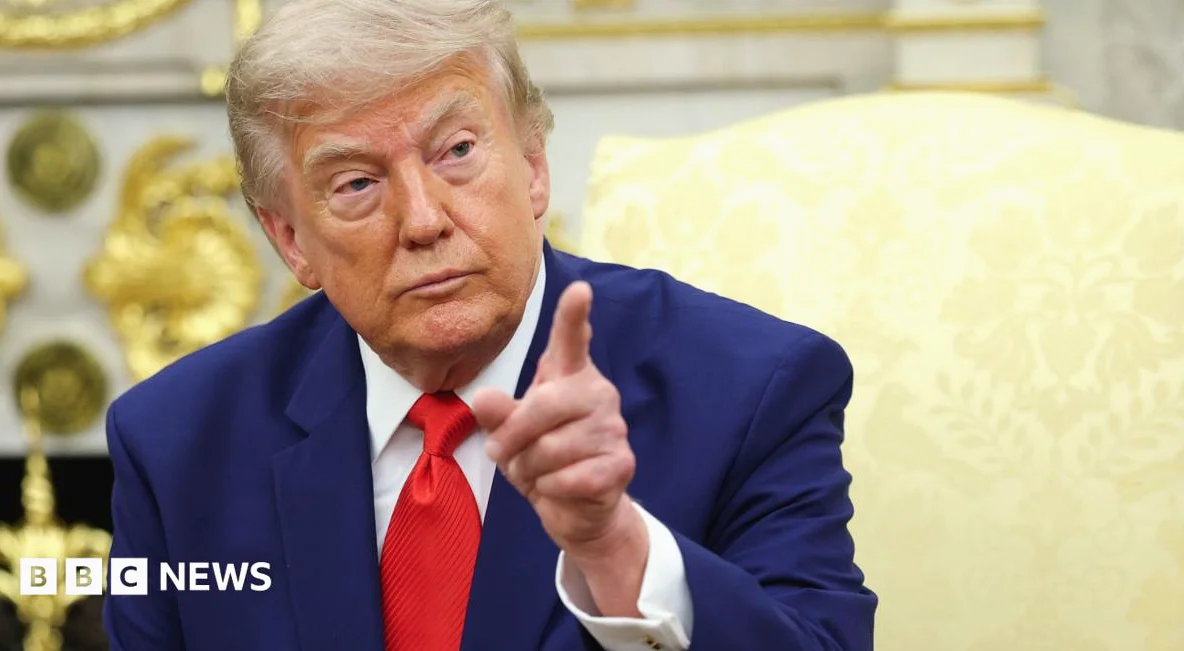
The U.S. trade representative announced a wave of tariffs on dozens of economies to replace President Donald Trump’s temporary 10% tariff, which expired at midnight ET. Sixty trading partners. Including key ones like Canada, Mexico, India, and the United Kingdom, will now face tariffs of 10% to 12.5%, according to a fact sheet. The new duties took effect at 12:01 a.m. ET Friday.
Tariff Rates Vary by Partner
Taiwan and the European Union, which is the largest single U.S. trading partner, will face up to a 12.5% tariff rate. The new rate announced Thursday appears to lower the 15% cap Trump and European Commission President Ursula von der Leyen agreed upon last year.
The U.S. Trade Representative’s Office said it had conducted months-long investigations into the trading practices of other economies to impose the tariffs. The wave of levies will be enacted under Section 301 of the Trade Act of 1974, a different statute from how most tariffs have previously been authorized.
Legal and Political Context
In February, the Supreme Court struck down most of Trump’s tariffs that were imposed under the International Emergency Economic Powers Act. The court ruled that the Trump administration exceeded its authority.
The administration says that under the statute, it found that the 60 economies have failed “to impose and effectively enforce a prohibition on the importation of goods produced with forced labor.” Key trading partners, such as the E.U., strongly rejected that accusation. “You can’t say that for the European Union,” E.U. officials stated.
Impact on Trade and Currency
The U.S. has also imposed a 50% tariff on most Canadian goods, framed by administration officials as retaliation for alleged trade discrimination against U.S. products. USD/CAD trades just above the 1.4100 handle into the North American afternoon, up around a fifth of one percent and on track for a second consecutive daily advance.
The recovery follows the July slide from the year’s high near 1.4250 down to the 50-day Exponential Moving Average (EMA), a floor the pair defended last week with the daily Stochastic Relative Strength Index pinned near zero. The bounce now has a fundamental author, because the trade war has found its way back to Canada’s doorstep.






1 Comment