

 CBS News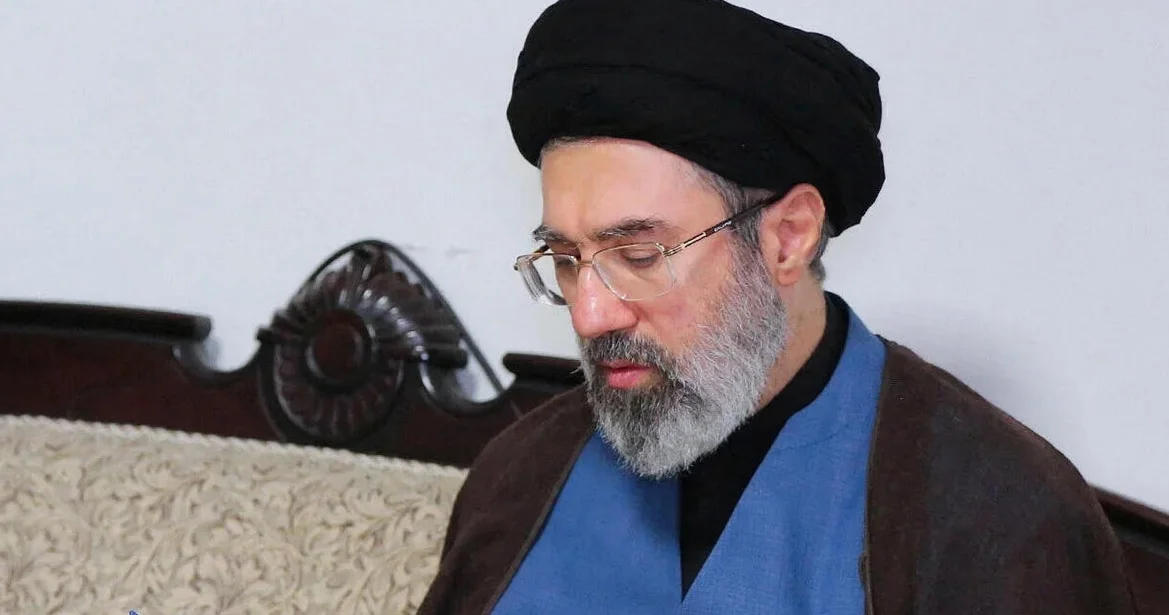
According to sources close to the U.S. administration and intelligence community, Ayatollah Ali Khamenei, Iran’s former supreme leader, was not confident in his son’s ability to lead the country. The information, shared with President Donald Trump and a small circle of advisors, suggests that Ali Khamenei viewed Mojtaba as unqualified and not very bright. This revelation has been passed along to senior officials as part of ongoing assessments of Iran’s leadership structure.
Internal Concerns About Mojtaba Khamenei
The intelligence gathered also indicated that Ali Khamenei was aware of his son’s personal life issues. This information comes from sources within the administration, the intelligence community, and individuals close to the president. Mojtaba Khamenei, 56, was recently selected as Iran’s new supreme leader by the country’s council of religious clerics after serving as a close aide to his father for many years.
The shift in leadership followed the death of Ali Khamenei, who was killed in an Israeli missile strike that marked the opening salvo of the U.S. and Israel’s war with Iran. Mojtaba Khamenei was believed to have been injured in the strike, but he has since remained in his father’s inner circle. The circumstances of the strike and the extent of Mojtaba’s injuries remain unclear.
President Trump, Vice President JD Vance, and other senior officials have been briefed on the intelligence regarding Mojtaba Khamenei. In private conversations, Trump has reportedly expressed skepticism about the significance of the intelligence, stating that he believes Iran is essentially leaderless, with the younger Khamenei possibly dead. The White House, however, maintains that the Islamic Major Guard Corps is now calling the shots, marking a significant departure from the theocratic dictatorship established after the 1979 revolution.
Trump’s Public Remarks and U.S. Policy Shifts
On Friday, Trump made public comments about Ali Khamenei’s lack of confidence in his son, stating, ‘Their leadership is gone. Their second leadership is gone. Now their third leadership is in trouble, and this is not somebody that the father even wanted.’ Trump also referred to Mojtaba Khamenei as a ‘lightweight’ and an ‘unacceptable’ leader for Iran. He has suggested that he wants some oversight over Iran’s next leader, reflecting a broader U.S. strategy to influence the region’s power dynamics.
The federal government has taken steps to locate Mojtaba Khamenei and nine other key Iranian officials, offering up to $10 million in reward for any information leading to their capture. This move highlights the U.S. administration’s focus on targeting Iran’s leadership structure, which has been a central part of its strategy since the war began over two weeks ago.
Mojtaba Khamenei is the third supreme leader of Iran since the 1979 Islamic Revolution, following his father and the founder of the Islamic Republic, Ayatollah Ruhollah Khomeini. The succession from father to son is notable, as the revolution overthrew a hereditary monarchy. This marks a significant change in Iran’s political landscape, with the transition from a theocratic dictatorship to a more centralized military leadership.
Implications for U.S.-Iran Relations
Defense Secretary Pete Hegseth stated that Mojtaba Khamenei is ‘wounded and likely disfigured,’ while Vice President JD Vance described the strike as apparent and leaving the younger Khamenei wounded. His current condition remains uncertain, adding to the ambiguity surrounding Iran’s leadership structure.
The White House has not commented on the intelligence regarding Mojtaba Khamenei, and spokespeople for the CIA, White House, and vice president declined to provide further details. The lack of official confirmation raises questions about the reliability of the intelligence and the broader implications for U.S. policy in the region.
As the U.S. continues its military operations against Iran, the focus on targeting key leaders like Mojtaba Khamenei reflects a strategic effort to destabilize the Iranian regime. Analysts suggest that the shift in leadership could lead to internal power struggles within Iran, potentially altering the course of the war and the country’s future direction.
The situation highlights the complex nature of Iran’s political and military landscape, where internal dynamics can significantly impact international relations. With the U.S. and its allies seeking to undermine Iran’s leadership, the coming weeks and months may bring further developments that could reshape the region’s geopolitical balance.



Comments
No comments yet
Be the first to share your thoughts