

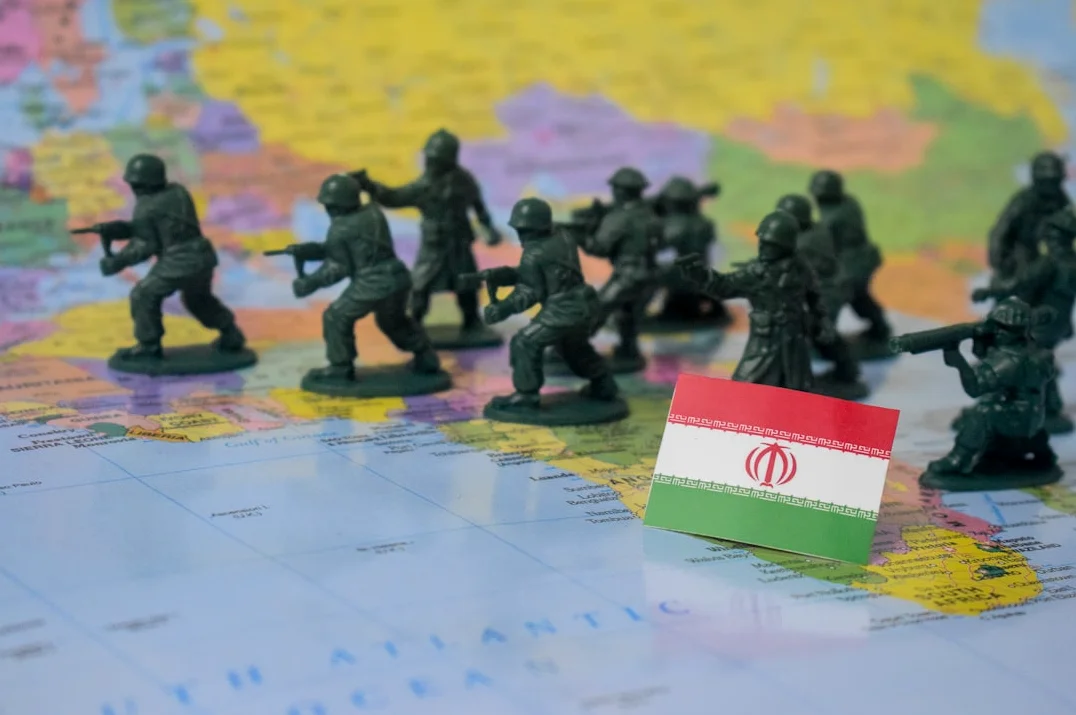
The U.S.-Iran ceasefire. Which began on April 8. Is set to end on April 22, with the future of peace talks remaining uncertain; According to NPR, the temporary ceasefire in Lebanon may also be at risk if U.S.-Iran negotiations fail. Residents of southern Lebanon remain wary, fearing that a collapse in U.S.-Iran relations could trigger renewed hostilities between Israel and Hezbollah. The ceasefire has allowed for a pause in fighting, but Israel continues to occupy significant land along the border, preventing Hezbollah attacks and displacing over one million people who have yet to return home.
Uncertain Peace Talks and Political Pressure
According to CNN, U.S. Vice President JD Vance is expected to travel to Pakistan for potential peace talks with Iran, despite Iranian officials’ initial refusal to engage. However, recent reports suggest that an Iranian delegation, including Foreign Minister Abbas Araghchi and Parliament Speaker Mohammad Bagher Ghalibaf, may also arrive in Pakistan for discussions. Ghalibaf, a hardline figure with a history of suppressing dissent, is leading the Iranian delegation, but he has been involved in suppressing protests and overseeing security operations during major uprisings in Iran’s history.
According to EL PAÍS, U.S. President Donald Trump’s popularity has reached its lowest point since returning to the White House, with 63% of Americans disapproving of his handling of both the economy and the situation in Iran. A recent NBC News Decision Desk survey found that 52% of respondents strongly disapprove of Trump’s leadership, with economic concerns—particularly inflation and the cost of living—being the primary source of discontent. Trump had promised to combat inflation and keep the U.S. out of international conflicts during his 2024 campaign.
Escalation and Economic Consequences
Navy seized an Iranian-flagged vessel in the Gulf of Oman, continuing its blockade of Iranian ports. According to tagesschau.de, the U.S. The U.S. insists on maintaining the blockade until a deal is reached, while Iran has linked its participation in negotiations to the lifting of the blockade. Iranian Parliament Speaker Ghalibaf warned on X that Iran would not engage in talks under the threat of U.S. aggression and hinted that the country has new military capabilities ready for conflict. He stated that if no agreement is reached by April 22, the war could resume, with both sides threatening destructive attacks.
According to Tagesspiegel. Tensions escalated around the Strait of Hormuz, with Iran initially opening the strait but then closing it again, citing the U.S. blockade of its ports and ships. The U.S. Navy’s seizure of an Iranian freighter on Sunday further intensified the situation — the closure of the strait led to a sharp rise in oil prices, with Brent crude reaching $95.35 per barrel, a 5.5% increase from Friday. The U.S.-Iran ceasefire is set to expire on April 22, and if no new agreement is reached by then, the war could resume — Trump has already threatened to launch destructive attacks if negotiations fail.
Domestic and International Implications
The Lebanese ceasefire is set to last for 10 days, with talks between Israel and Lebanon expected to resume in Washington on Thursday. According to NPR, the uncertainty surrounding the U.S.-Iran ceasefire has created a tense environment in Lebanon, where a temporary ceasefire between Israel and Hezbollah is also in place. However, the situation remains fragile, with many in southern Lebanon questioning how long Israel will maintain its military presence in the region.
Meanwhile, Trump faces domestic challenges as his administration continues to grapple with economic and foreign policy issues. The resignation of Labor Secretary Lori Chavez-DeRemer, the third Trump cabinet member to leave during his second term, has further complicated the political landscape. According to NPR, the investigation into Chavez-DeRemer has lasted for months, with several senior staff members either resigning or being fired in the past few months.
The upcoming midterm elections in November will be a critical test for Trump’s leadership, with the president’s approval ratings at their lowest point since returning to the White House. With the U.S.-Iran conflict showing no signs of resolution, the path to a new agreement remains uncertain, with both sides holding firm on key issues such as the U.S. naval blockade and Iran’s military capabilities.






Comments
No comments yet
Be the first to share your thoughts