

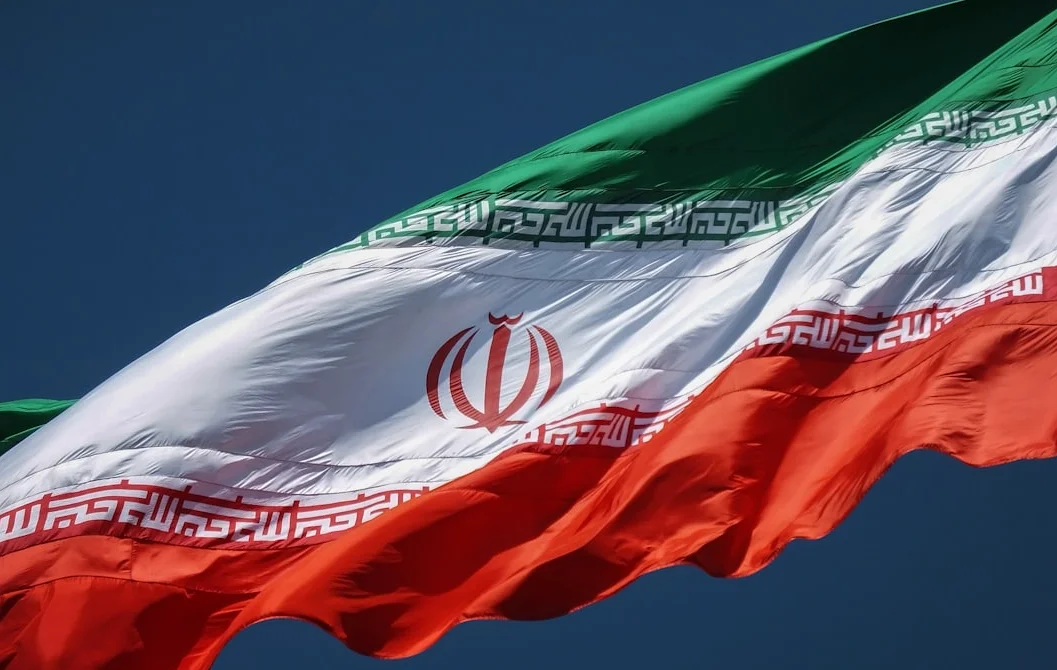
U.S. forces refrained from launching airstrikes on Iran for three consecutive days through July 26 local time, following instructions from U.S. President Donald Trump. Iran also halted its retaliatory operations over the past two days in response to the pause in U.S. attacks, according to U.S. news outlet Axios — this comes after more than two weeks of escalating violence between the two nations.
Security Threat Allegations and Flights
According to the New York Times. U.S. officials identified a “credible threat” before Trump’s return flight from the NATO summit in Turkey, leading him to switch from his new Air Force One to an older model. The new Air Force One, a gift from Qatar, was reportedly lacking in certain security features like advanced anti-missile defenses; U.S. intelligence agencies and the Secret Service reportedly raised concerns about the potential for an attack on Trump by groups with ties to Iran. CBS also reported similar concerns, citing multiple U.S. officials.
Trump had showcased the new Air Force One in late June but did not use it for the full duration of his NATO trip, according to Der Spiegel. The decision to switch aircraft highlights the heightened security concerns in the context of U.S.-Iran tensions.
Diplomatic Efforts and Regional Tensions
Oman continues to mediate talks with Iran regarding safe passage through the Strait of Hormuz. However, tensions remain high due to Iran’s aggressive rhetoric and recent clashes in the Caspian Sea and Red Sea. On Sunday, Iran’s regional governor, Hadi Hagh-Shenas, confirmed that an Iranian cargo ship was attacked by Ukraine in the Caspian Sea, killing one and injuring three. Iran’s foreign minister, Abbas Araghchi, condemned the attack as a violation of the UN Charter, according to CNN.
Ukraine claimed the ship was carrying military goods to Russia, further complicating the situation. Meanwhile, U.S. Ambassador to the UN, Thomas-Graham, said Trump is giving diplomacy “some space” to progress. A U.S. source told CNN that military operations are currently “on hold.” No fresh Iranian attacks have been reported during the pause.
Domestic Views and Strategic Debate
Within the U.S., lawmakers remain divided on the conflict. Republican Rep. Mike Turner argued for continued pressure on Iran to prevent it from acquiring nuclear weapons, telling ABC News that Iran poses a global threat. He cited the NATO summit’s reaffirmation that Iran should never possess a nuclear weapon as a “stake in the ground.”
Democratic Sen. Chris Van Hollen, however, criticized the war as “senseless” and called for an immediate end. He argued that continuing the conflict only deepens the U.S. involvement and puts service members at risk. Four U.S. service members have been killed in recent weeks, he noted. Van Hollen also argued that ending U.S. offensives could help reopen the Strait of Hormuz, currently experiencing slowed traffic due to the conflict.
Trump had initially framed the war as a path to administration change in Iran but has since shifted focus to preventing Iran from obtaining a nuclear weapon. The U.S. has deployed additional fighter jets to the region and is reportedly considering even the use of ground troops, according to Kurier.
As of July 24, Trump withheld approval for new airstrikes targeting Iran’s southern coast and the Strait of Hormuz, Axios reported. U.S. military officials cited depleted targets and a shortage of interceptors as factors in the decision. The lull in fighting remains fragile, with multiple variables—such as Iran’s rhetoric and Netanyahu’s U.S. visit,potentially determining its duration.






Comments
No comments yet
Be the first to share your thoughts