

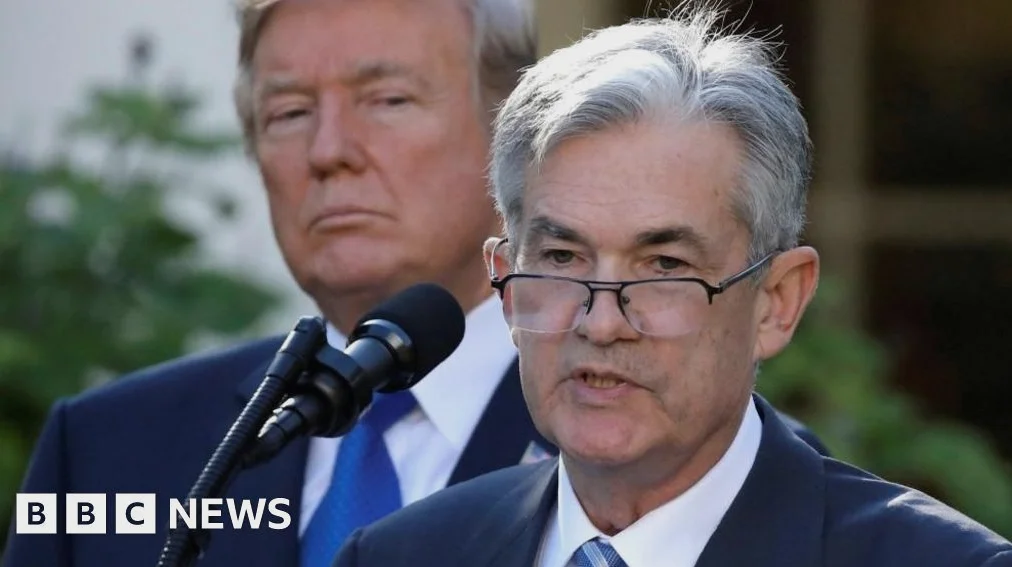
The U.S. Justice Department has dropped its criminal investigation into Federal Reserve Chairman Jerome Powell, according to a statement by Washington D.C. U.S. Attorney Jeanine Pirro. The probe had centered on potential overruns in the cost of a renovation project at the Federal Reserve building, and Pirro said the department had requested the Fed’s inspector general to conduct an audit and issue a report.
Investigation and Political Context
The decision to end the criminal investigation came as former President Donald Trump seeks to place his allies in key positions at the Federal Reserve; Trump has repeatedly criticized Powell for maintaining high U.S. interest rates, and has nominated Kevin Warsh,a former Fed official,as a potential successor. The Senate has yet to vote on Warsh’s confirmation.
Republican Senator Thom Tillis had previously warned that he would block the nomination unless the Justice Department ceased its investigation into Powell. Pirro confirmed that the criminal inquiry had been closed, though she emphasized that it could be reopened if new evidence emerged.
Market and Political Reactions
News of the investigation’s termination had immediate effects in the prediction markets. On the prediction platform Kalshi, the probability of Warsh’s confirmation rose sharply from about 30% to over 80% before May 15. This suggests that investors believe the path to Warsh’s confirmation has significantly improved.
Pirro also stated on social media platform X that she expected a wide-ranging report from the Fed’s inspector general soon. She said this report would help address issues raised by the Justice Department’s earlier subpoena requests. “I have directed my office to close this investigation at this time,” she wrote, “but I will not hesitate to restart a criminal investigation if warranted by the facts.”
Broader Implications for the Fed
Trump’s push to appoint allies to the Federal Reserve reflects a broader strategy to increase political influence over U.S. monetary policy. Appointing individuals aligned with his economic views could shape regulatory decisions—particularly those affecting the cryptocurrency industry and stablecoin issuers.
With the Justice Department no longer pursuing a criminal case, the focus now shifts to the Senate’s upcoming vote on Warsh’s nomination. If confirmed, Warsh would replace Powell as the Fed chair, potentially signaling a shift in the central bank’s policy direction. The Fed has faced increasing political scrutiny in recent years, with lawmakers from both parties questioning its handling of inflation and financial regulation.

Comments
No comments yet
Be the first to share your thoughts