

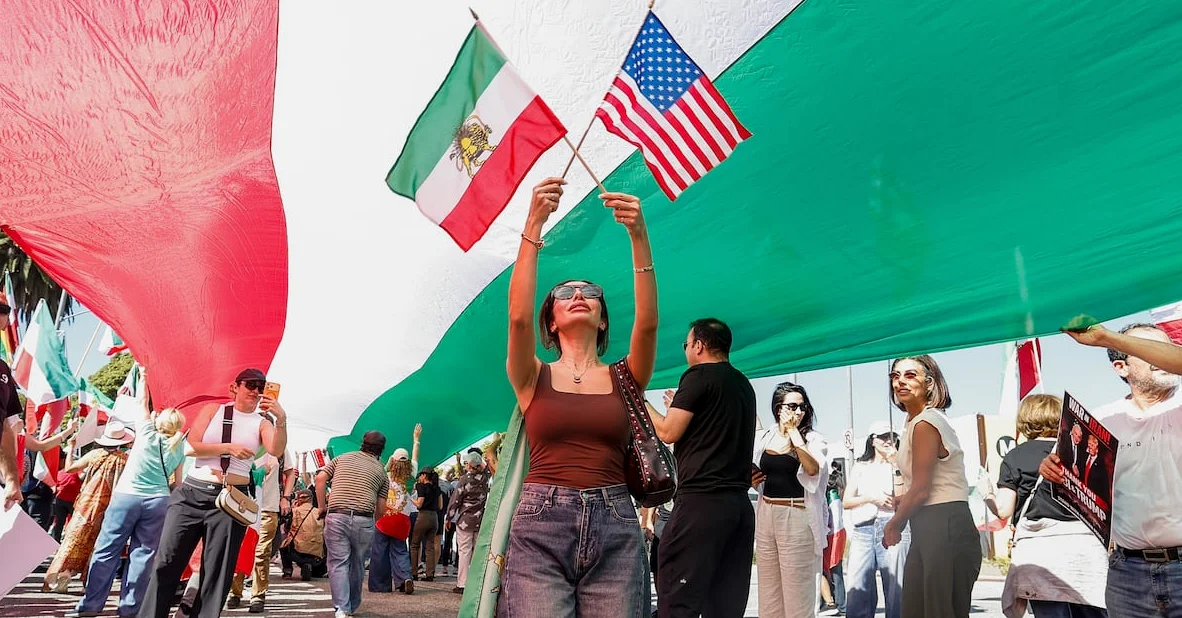
The death of Iran’s Supreme Leader Ali Khamenei in a U.S. attack has triggered intense debate over the Middle East’s future, with analysts divided on whether it marks the beginning of regime collapse or prolonged instability. U.S. President Donald Trump called on the Iranian people to overthrow their regime, signaling his intent to reshape the region’s political dynamics.
Analysts Warn of Uncertain Outcomes
The Washington Post, citing International Crisis Group (ICG) Iran Director Ali Vaez, reported that while Iran’s nuclear enrichment program was undoubtedly damaged, its complete destruction remains uncertain. Vaez outlined three potential scenarios: ① Iran’s regime collapse, ② a military quagmire, and ③ accelerated Iranian nuclear armament.
The U.S. strike, which employed all advanced weaponry, has led to divided assessments. While the Trump administration cites the possibility of “Iran’s regime collapse and the early establishment of a new order,” concerns persist that the region could descend into prolonged chaos akin to Afghanistan.
Trump’s ‘Gamble’ Faces High Risks
Major media outlets, including the UK’s Economist, have labeled Trump’s attack as a “gamble.” Most think tanks remain cautious about its likelihood of success. The U.S. Council on Foreign Relations (CFR) analyzed that while the operation targeted nuclear facilities and aimed for regime change, designing a systemic shift from thousands of kilometers away carries significant risks.
The Center for Strategic and International Studies (CSIS) also warned that the strike could rally Iran’s hardliners, producing outcomes contrary to U.S. intentions. Many experts lean toward the possibility of prolonged instability rather than the immediate collapse of Iran’s regime.
Under Iran’s constitution, a temporary leadership council would fill the supreme leader’s vacancy, with the Assembly of Experts eventually electing a successor. However, the actual distribution of power hinges on the dynamics and realignments among the Major Guard Corps (IRGC), intelligence agencies, and key elites.
Iran’s Power Struggles and Regional Implications
Jang Ji-hyang, head of the regional research center at the Asan Institute for Policy Studies, stated, “If the U.S. attack leads to fractures within Iran’s regime, it could trigger a fundamental restructuring of the Middle East.” She added, “Recent anti-government protests and public anger over the IRGC’s massacre of approximately 30,000 people in a short period could be decisive factors.”
Jang noted, “There are reports of unrest among mid- to lower-ranking IRGC officers, and some Iranian citizens openly celebrating Khamenei’s death — a sign of change.” If Iran’s regime undergoes transformation, Trump’s envisioned scenario would be major.
In Nam-sik, a professor at the National Diplomatic Academy, suggested, “Trump likely wants to be remembered as the hero who completed the ‘Middle East’s historic transformation’ by expanding the Abraham Accords — his signature foreign policy achievement from his first term — to include not only Saudi Arabia but also Iran.” This would go beyond normalizing relations between Israel and the UAE, Bahrain, Sudan, and Morocco, aiming to rewrite the region’s history.
Trump hopes Iran could become a new partner for U.S. businesses, particularly in energy. In Nam-sik added, “Given Iranians’ strong pride and nationalism, a gradual realignment of existing power alliances is more plausible than a radical regime overthrow.”
Regarding the potential for prolonged conflict, Lee Keun, a professor at Seoul National University’s Graduate School of International Studies (former chairman of the Korea Foundation), stated, “The U.S. intelligence capabilities, precision strikes, and AI-driven operations demonstrated in this attack suggest the possibility of additional ‘decapitation operations’ in the future.” He added, “Even if Iran does not stabilize in the short term, America’s technological and military superiority will continue to pressure Iran’s power elites.”
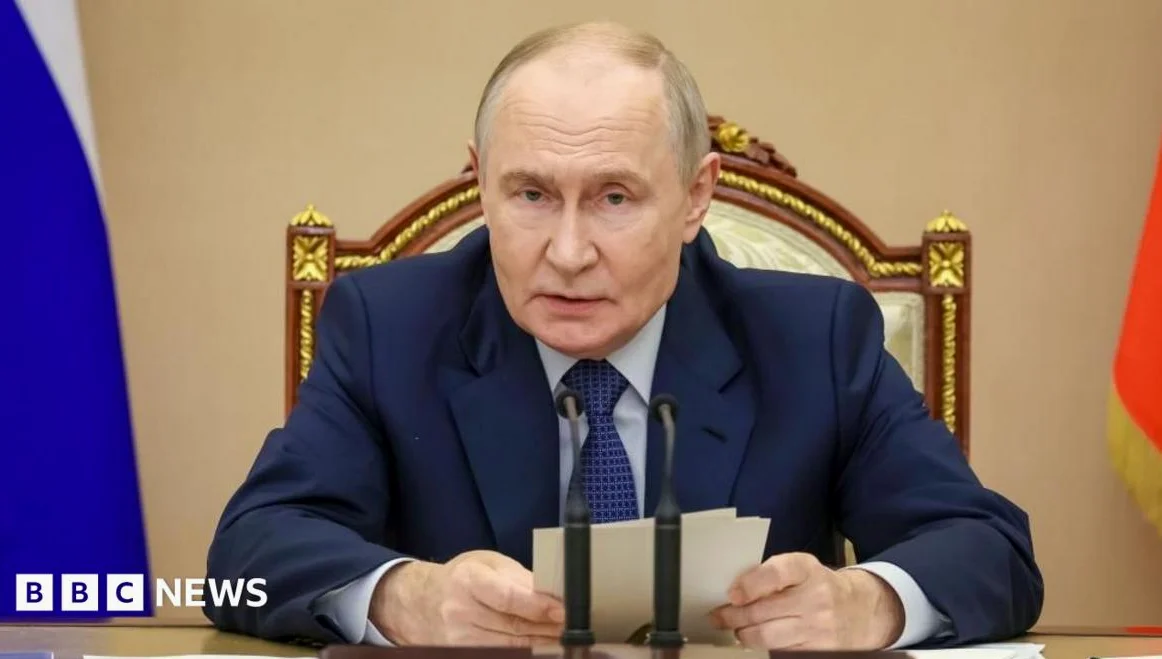
The success of the U.S. attack on Iran is also expected to impact Russia, China, and North Korea. Jang Ji-hyang noted, “Russia has heavily relied on Iranian drones since its invasion of Ukraine. If Iran weakens strategically, Russia’s war-fighting capacity would inevitably suffer, potentially influencing peace negotiations.” She also raised the possibility of energy strategy adjustments, given China’s large-scale imports of low-cost Iranian crude oil.
Lee Keun analyzed, “If Iran withdraws from its revisionist alliance with Russia and China, it could create significant fractures in the North Korea-China-Russia strategic framework.” He assessed, “The attack capabilities the U.S. demonstrated in Iran and Venezuela would greatly enhance the credibility of America’s ‘nuclear umbrella’ over North Korea.”





Comments
No comments yet
Be the first to share your thoughts