

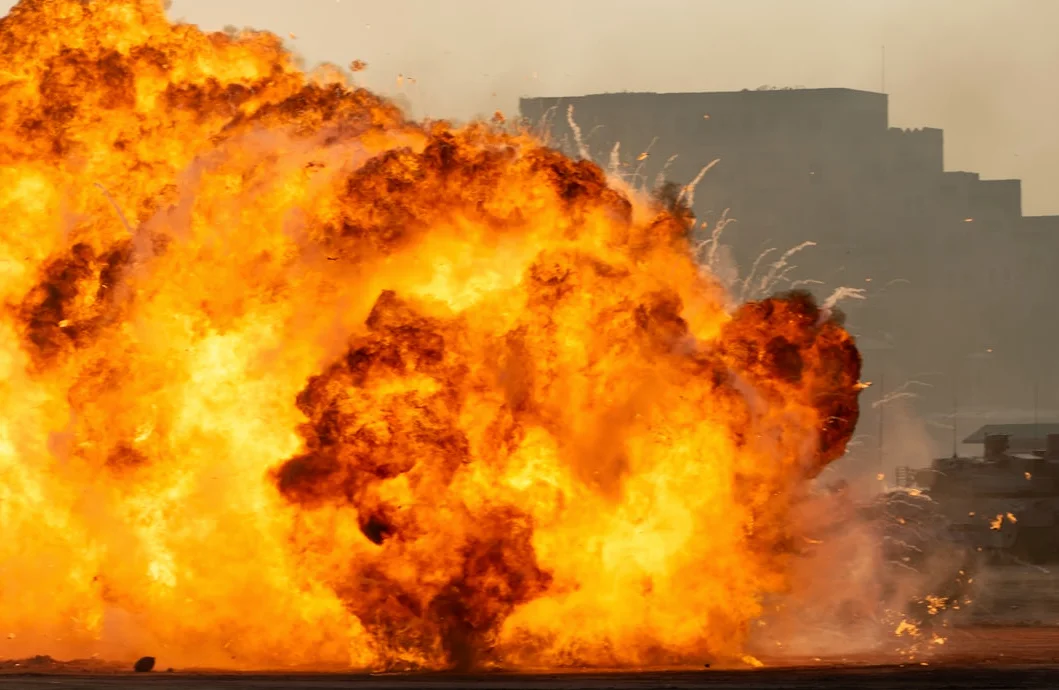
On June 10, the U.S. military launched strikes in southern Iran, targeting Iranian air defense systems, coastal surveillance, surface-to-air missiles, anti-ship cruise missiles, and drone launch sites, an unnamed U.S. official told Reuters. Explosions were heard in the southern port city of Sirik, Qeshm Island, and areas near Bandar Abbas, according to Iranian state media. Iranian state television reported that the situation has since calmed in Bandar Abbas and Qeshm.
U.S. Actions and Iranian Response
According to CENTCOM, the strikes were in response to Iranian attacks on commercial shipping in the Strait of Hormuz. The U.S. official added that the June 10 strikes were four or five times larger in scope and power than the previous round of strikes 10 days earlier, as reported by Axios. Iranian state media reported several injuries following the strikes, with shrapnel causing harm at the Sirik commercial pier.
Iran’s Foreign Ministry condemned a recent U.S. Treasury move to revoke the temporary suspension of sanctions on Iranian oil sales. The ministry said Iran “holds the United States responsible for violating the memorandum of understanding” and will take “any measures we deem necessary to safeguard our interests and national security.” The ministry also stated that the U.S. has violated the terms of the memorandum of understanding over the past 20 days, either directly or through the actions of the “Zionist entity against Lebanon.”
Strategic Significance and Escalation
Al Jazeera’s Tohid Asadi noted that the attacks occurred in areas with significant geostrategic value, particularly near the Strait of Hormuz. Six explosions were reported on Qeshm Island, the largest island near the strait, and seven in areas close to Sirik Port. Asadi said that these locations are critical for Iran’s control over the strait. The U.S. military action marks a potential escalation following a two-month truce that had been in place since April 8, according to South Korea’s Nate news.
Reuters reported that Iranian media outlets carried reports of distant sounds on Kish Island, air defense activity in western Tehran, and explosions in Sirik and Minab. U.S. President Donald Trump and Secretary of Defense Pete Hegseth had publicly signaled additional strikes earlier that day, while Iran’s Islamic Major Guard Corps (IRGC) claimed it had retaliated with missiles and drones against U.S.-related targets in Jordan, Bahrain, and Kuwait.
Broader Regional Implications
The U.S. Central Command said in a statement that the operation was a proportionate response to an unjustified Iranian attack, in reference to the downing of a U.S. Army Apache helicopter. While the White House has stated it does not seek escalation, tensions remain high, with sporadic skirmishes reported. According to German publication Kronen Zeitung, Israel launched a preemptive strike against Iran with U.S. support. Iran responded with missile strikes, and the region is now on high alert.
Explosions were also reported in Kuwait, Riyadh (Saudi Arabia), and Abu Dhabi (UAE). Pro-Iranian groups in Iraq were also reportedly bombed. Civilian air traffic was largely suspended due to the escalating situation, and the Strait of Hormuz, a key oil transit route, has been closed by Iran, raising concerns about global economic impacts.
So far, there has been no official response from Iran’s military, and no confirmed casualties from the U.S. strikes have been reported. However, the situation remains fluid, with the potential for further escalation in the region.





Comments
No comments yet
Be the first to share your thoughts