

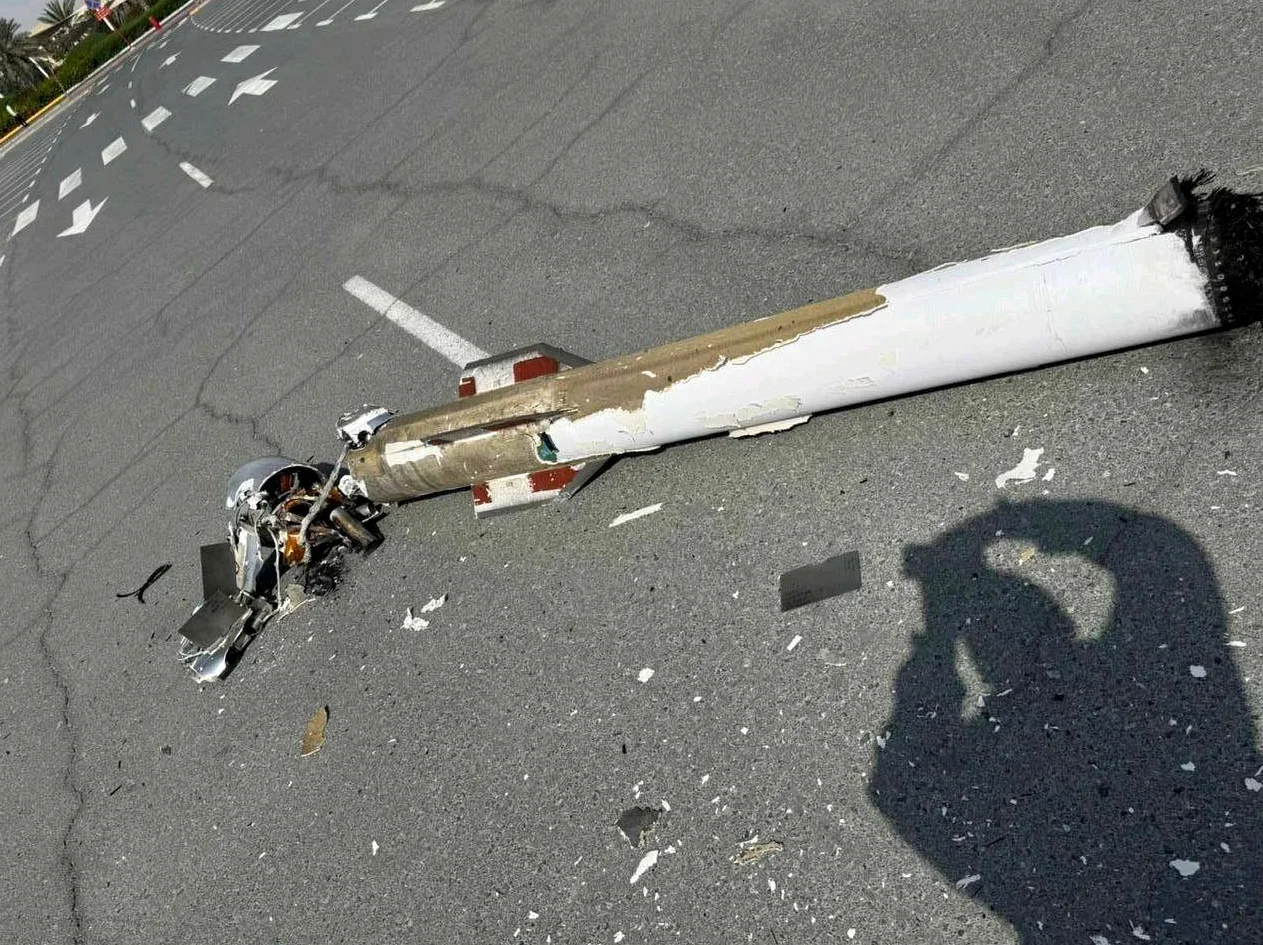
The United Arab Emirates’ air defenses intercepted and destroyed 132 Iranian missiles and 195 drones in a brazen attack that targeted the Gulf region on Saturday, according to the Ministry of Defense. The attack involved a total of 137 ballistic missiles and 209 drones launched toward the UAE, with five missiles falling into the sea and 14 drones causing collateral damage.
Significant Damage and Response
Of the 209 drones launched, 195 were intercepted and destroyed by the UAE’s air defense systems, while 14 caused damage to infrastructure or civilian areas, according to the ministry. Officials stated that the attack was a coordinated effort by Iranian forces, though no casualties were reported.
The UAE’s response was swift and decisive, with the Air Force and Air Defense forces using advanced systems to neutralize the threat. The defense ministry emphasized that the attack was an escalation of tensions in the region and a direct challenge to the UAE’s security.
According to the ministry, the attack involved a range of sophisticated weaponry, including ballistic missiles and drones, which were launched from multiple directions. The UAE’s military has previously demonstrated its capability to intercept such threats, but this attack was described as the largest and most complex in the region in recent years.
Regional Implications and Concerns
Analysts have warned that the attack could have far-reaching implications for regional stability. The Gulf region has seen a series of similar incidents in recent years, including attacks on oil facilities and infrastructure attributed to Iran or its proxies.
The attack has raised concerns about the potential for further escalation between Iran and Gulf Arab states. The UAE has maintained a firm stance against any threats to its sovereignty and has called for international support to address the growing security challenges in the region.
According to defense experts, the attack highlights the need for stronger regional cooperation and the importance of maintaining strong air defense systems. The UAE’s successful interception of the majority of the missiles and drones has been seen as a significant achievement in protecting the country’s infrastructure and civilian population.
Officials from the UAE have reiterated their commitment to peace and stability in the Gulf, while also emphasizing the need for Iran to de-escalate tensions. The ministry has called for a thorough approach to address the root causes of regional instability and to prevent further attacks.
What’s Next and Forward-Looking Implications
The incident has prompted discussions about the need for a unified regional defense strategy. The UAE has already begun reviewing its military capabilities and is expected to announce new measures to enhance its air defense systems in the coming weeks.
Analysts predict that the attack could lead to increased military spending in the Gulf region, as well as a greater emphasis on regional alliances and intelligence sharing. The UAE has also been in talks with several countries about strengthening security cooperation and improving early warning systems.
According to defense officials, the UAE will continue to monitor the situation closely and will take all necessary steps to protect its national security. The ministry has also called for international support in addressing the threat posed by Iran and its proxies in the region.
The incident has also raised questions about the effectiveness of existing international mechanisms to prevent such attacks. With tensions in the region at a high point, the international community is under pressure to find a diplomatic solution to prevent further escalations.
The UAE’s successful response to the attack has been praised by several regional leaders, who have expressed their support for the country’s efforts to maintain security and stability in the Gulf. However, the incident has also underscored the need for a more thorough approach to addressing the root causes of regional tensions.






Comments
No comments yet
Be the first to share your thoughts