

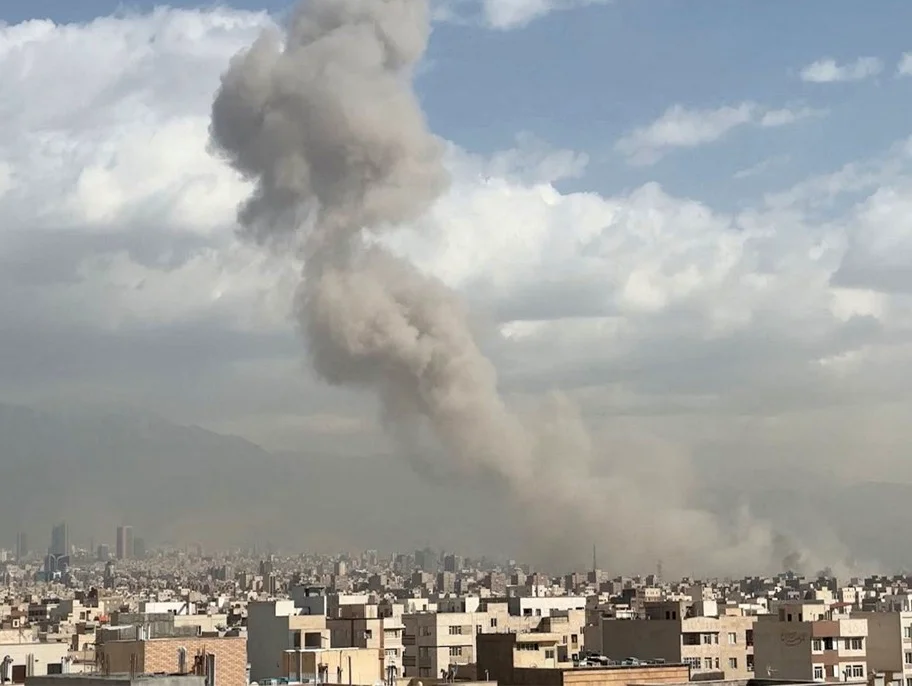
The United Arab Emirates successfully intercepted several Iranian ballistic missiles in a significant escalation of regional tensions, according to the UAE Ministry of Defense. The attack, which occurred in a residential area, resulted in the death of a civilian of Asian origin due to debris, as well as material damage to property.
Regional Response and Condemnation
The UAE has condemned the missile attack as a direct threat to its sovereignty, with the Ministry of Defense stating that the aggression constitutes a violation of international law. Officials emphasized the country’s right to respond firmly to protect its territory and citizens from further threats.
Saudi Arabia joined the UAE in condemning the attack, offering full support to its regional allies. The Gulf Cooperation Council has historically maintained a unified front against external threats, and this incident has reinforced that stance.
Iranian Justification and Diplomatic Claims
In response, Iran defended its actions as a form of self-defense against what it describes as unprovoked aggression by the United States and Israel. Iranian Foreign Minister Seyed Abbas Araghchi stated that the country’s actions were a proportional response to the perceived threat from regional adversaries.
Araghchi’s remarks come amid a broader geopolitical standoff in the Middle East, where Iran has repeatedly accused Western powers and Israel of destabilizing the region through military and economic pressure. The Iranian government has increasingly used missile tests and threats as a means of deterrence in recent years.
The attack follows a series of similar incidents in the region, including a 2020 missile strike on a US military base in Iraq, which was attributed to Iran. Such events have raised concerns about the potential for broader conflict in the region, particularly with the involvement of major global powers.
Impact on Regional Stability and Trade
The incident has raised alarms about the stability of the Gulf region, which is a critical hub for global oil and gas trade. Any escalation in hostilities could disrupt supply chains, impact global energy prices, and affect economies that rely on the region’s exports.
Analysts warn that the attack could lead to further military posturing or retaliatory actions, which could have far-reaching consequences. The UAE, which has been a key ally of the United States in the region, is likely to continue its close coordination with Western powers to counter Iranian influence.
According to a recent report by the International Energy Agency, the Gulf region accounts for nearly 30% of global oil production. Any prolonged instability in the area could lead to a sharp increase in oil prices, affecting economies worldwide.
The UAE has not yet announced any specific retaliatory measures, but officials have reiterated the country’s readiness to act in defense of its interests. The incident also highlights the ongoing challenges of maintaining peace in a region marked by historical tensions and competing geopolitical interests.
As the situation develops, the international community is closely watching to see whether the crisis will escalate further or if diplomatic efforts can de-escalate the situation. The United Nations has called for restraint and dialogue to prevent any further loss of life or damage to regional stability.





Comments
No comments yet
Be the first to share your thoughts