

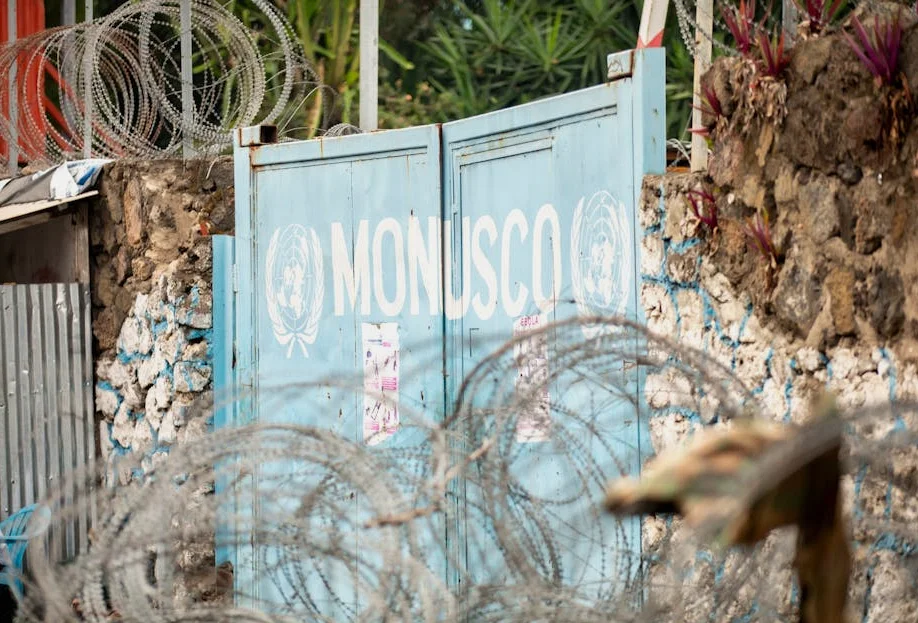
Uganda’s Ministry of Health announced on May 27, 2026, that travel across its border with the Democratic Republic of Congo (DRC) would be restricted to emergency cases such as outbreak response, cargo, or security reasons, according to the Ministry of Health- Uganda. This decision follows a surge in Ebola cases in eastern DRC, where the situation has worsened due to conflict and limited access to medical care.
Border Restrictions and Isolation Measures
Dr. Diana Atwine. Permanent secretary of Uganda’s Ministry of Health, stated that anyone entering the country from the DRC under emergency circumstances will be placed in mandatory isolation for 21 days. The move aims to prevent the virus from spreading further into Uganda. In addition. All public transport. Including buses. Flights, and river ferries,between the two countries has been suspended for four weeks, with the exception of essential commercial goods, according to TV Azteca.
Uganda’s border with the DRC is several hundred kilometers long and includes numerous informal footpath crossings in addition to formal border posts, as these informal crossings are a major concern, as they are not monitored and could facilitate the spread of the virus. The government has also suspended weekly market activities in high-risk border areas for the same four-week period.
WHO Opposes Border Closures
The World Health Organization (WHO) has raised concerns about border closures, stating that such measures are often based on fear and not on scientific evidence. In mid-May. WHO declared the current outbreak in the DRC a public health emergency of international concern and urged countries not to impose travel or trade restrictions; the agency warned that such actions could push people to use informal crossings, increasing the risk of disease transmission.
According to WHO. Closing border crossings could disrupt the flow of medical aid and supplies, further complicating efforts to control the outbreak. Despite these concerns, Uganda has proceeded with its restrictions, citing the high number of suspected cases in the DRC—nearly 1,000—with at least 220 deaths likely due to the virus. The DRC government has confirmed 101 cases so far.
Challenges of a Dual Crisis
The current Ebola outbreak in the DRC is caused by the Bundibugyo strain of the virus, which does not yet have a known vaccine or treatment. This strain is different from the more commonly known Zaire strain, which has been the cause of previous major outbreaks. The DRC’s eastern regions, where the outbreak is centered, are also experiencing ongoing conflict, which complicates efforts to contain the disease. Health workers face challenges in reaching affected areas and implementing containment strategies due to insecurity and limited infrastructure.
Uganda’s National Task Force on Ebola Response, which began planning for such restrictions in early May, has taken a cautious approach, balancing public health concerns with the need to maintain economic activity. The government has emphasized that only essential commercial goods will be allowed to pass through during the four-week period, while the general public will not be permitted to cross. Those who return to Uganda from the DRC will also be required to undergo 21 days of mandatory isolation under the supervision of local health authorities.
The border closures and travel restrictions are expected to remain in place for the next four weeks, during which time health officials will monitor the situation and adjust measures as needed. The government has urged citizens to remain vigilant and report any symptoms of Ebola immediately to local health authorities.




Comments
No comments yet
Be the first to share your thoughts